
A Food Lover's Guide to Bahamas Traditional Food
Harry the matcha king
Harry is our resident matcha obsessive. He’s tasted hundreds of bowls and tracks every cup in Savor.
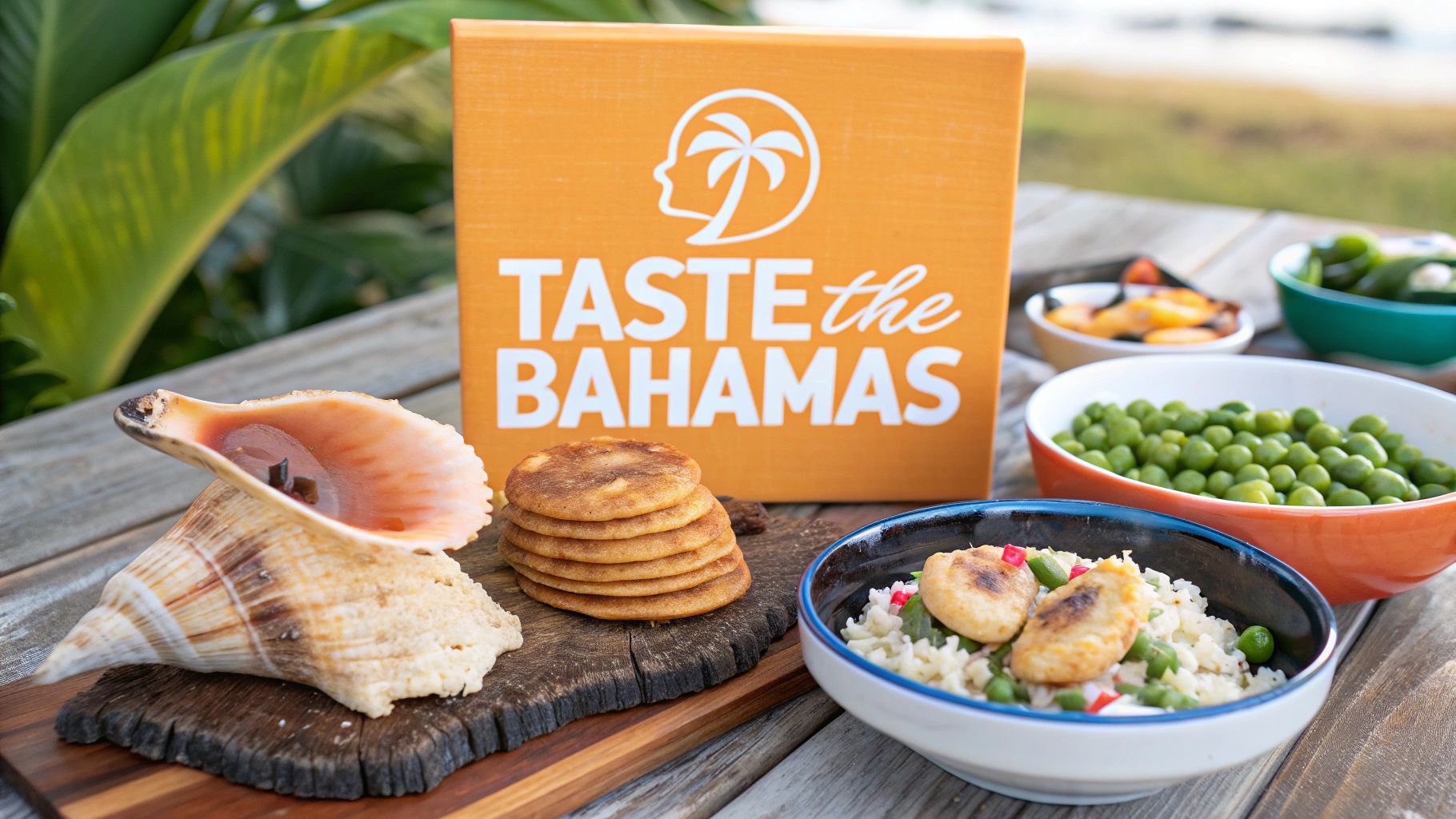
Bahamian food is so much more than what you find at a resort buffet. It’s a vibrant, soulful cuisine shaped by centuries of history—a delicious blend of...
Bahamian food is so much more than what you find at a resort buffet. It’s a vibrant, soulful cuisine shaped by centuries of history—a delicious blend of fresh-caught seafood, sun-ripened tropical fruits, and a spice cabinet that tells the story of West African, British, and Spanish influences.
Dishes like crispy cracked conch, the essential side of savory peas 'n' rice, and the sweet, dense comfort of a warm johnnycake are the heart and soul of the islands. They represent a culinary identity that’s as bright and welcoming as the turquoise water, offering a true taste of place for any food lover ready to track their discoveries.
A Culinary Map of The Islands
The story of Bahamian cooking is a story of making incredible food from the bounty of the land and sea. It’s a narrative of survival, adaptation, and pure celebration. The roots run deep, drawing from the resourcefulness of West African traditions, the hearty structure of British colonial fare, and the bright, zesty notes of Spanish and indigenous Caribbean ingredients.
This historical mashup created a flavor profile that’s both deeply comforting and thrillingly distinct. At its heart, Bahamian cuisine is straightforward yet packed with flavor. It’s a food culture where every meal feels personal, telling a story of family, community, and the relaxed rhythm of island life.
The Pillars of Bahamian Flavor
To really get Bahamian food, you just need to understand its three foundational elements. These are the building blocks you'll find in nearly every traditional dish you come across.
- Seafood: With 700 islands and cays, the ocean is the backyard pantry. The crystal-clear waters provide an incredible abundance of fresh fish, spiny lobster (what locals call crawfish), and, of course, the undisputed king: conch.
- Tropical Fruits: Sweet and tangy fruits aren't just for dessert. Guava, pineapple, mango, and sour orange are key players in marinades, sauces, and salads, adding a bright, acidic pop that cuts through richer dishes.
- Spices and Seasonings: It’s all about the aromatics. Thyme, fiery goat pepper for heat, and allspice are essential. They're often combined with a savory base of onions, bell peppers, and celery to build flavor in everything from stews to rice.
This simple concept map shows exactly how these core components—the sea, the soil, and the spice rack—come together to define the unique character of Bahamian cuisine.
As you can see, it's the interplay between these three pillars that gives Bahamian food its unforgettable taste. To fully appreciate its depth, think of it as a key stop on a wider culinary journey to the best Caribbean islands to visit for a luxury escape.
Consider this guide your passport to these essential island flavors. As you explore, you can rate like a critic, building a personal food story one delicious plate at a time. For more inspiration, check out our other cuisine and location guides to document your global food adventures.
The Unmistakable Taste of the Sea
When you think of traditional Bahamian food, your mind immediately goes to the ocean. The sea is the soul of this cuisine, serving up treasures that have shaped the islands' culinary identity for generations. Two staples, in particular, reign supreme in this aquatic pantry: the impossibly versatile conch and the sweet, succulent Bahamian crawfish.
Tasting these dishes is more than just eating; it’s a direct line into the local culture. Every preparation tells a story, from a humble beach shack lunch to a sprawling family celebration. This is where your culinary adventure truly begins, tracking the nuances of each taste and building a rich chronicle of your Bahamian food journey.
Conch: The Heartbeat of Bahamian Cuisine
Conch (pronounced “konk”) is a large sea snail, but here, it’s a national obsession. You’ll find it prepared in what feels like a hundred different ways, and each one is a unique experience worth logging in your personal food diary. Its firm, almost chewy texture is a perfect canvas for Bahamian flavors, holding up beautifully whether it's served raw or fried.
The sheer versatility is astounding. From bright and zesty to deep-fried and crispy, every dish offers a new perspective on this beloved mollusk. Documenting these differences is the key to discovering your personal favorite.
- Conch Salad: This is conch in its purest form—raw, diced, and “cooked” in a citrus bath of lime, lemon, and orange juice. Tossed with finely chopped onion, tomato, and bell peppers, it’s a vibrant, refreshing dish that’s often made to order right before your eyes.
- Conch Fritters: A true Bahamian icon. These are golf-ball-sized bites of seasoned batter, studded with minced conch and fried to a perfect golden brown. Served with a slightly spicy calypso sauce, they are the ultimate island snack. When you log them, note the texture—are they light and airy or dense and chewy?
- Scorched Conch: Simple, yet elegant. This dish features raw conch scored with a knife and lightly marinated in citrus and peppers. The scoring tenderizes the meat, creating a texture that’s completely different from its diced cousin in a conch salad.
Cracked Conch: A Crispy National Treasure
Among all the preparations, one stands out as the undisputed king. You have to experience the crispy, golden perfection of cracked conch, the ultimate Bahamian dish that every food explorer needs to track in their journal. This iconic food was born from a love story in the early 20th century when a Greek immigrant, Alexander Maillis, pounded tough conch with a bottle to tenderize it for his wife, Calliope, who could only eat seafood during Orthodox Lent. Fried to a shattering crisp, the dish became a national obsession.
Statistically, conch still dominates: over 1,000 metric tons of queen conch are harvested annually from Bahamian waters, supporting the livelihoods of more than 5,000 fishers, though overfishing has prompted seasonal bans. You can learn more about the story behind popular Bahamian foods on Princess.com.
When you rate cracked conch, pay attention to the details. Is the batter light and flaky or thick and crunchy? Is the meat inside tender or tough? These notes turn a simple meal into a memorable data point in your food story.
Bahamian Crawfish: The Spiny Lobster
Don't let the name fool you; Bahamian crawfish is actually a spiny lobster. Unlike its clawed cousins from colder waters, the spiny lobster's meat is found entirely in its tail. The flavor is sweeter and the texture is firmer, making it a prized delicacy across the islands.
You'll find it prepared in a few classic ways, each designed to highlight its distinct sweetness. Often, it’s simply broiled and served with drawn butter and a squeeze of lime, letting the natural flavor shine. You might also find it minced and sautéed with tomatoes and spices, then served back in its shell—a rich and savory preparation that really sings. This savory quality often delivers a deep, satisfying taste; you can learn more about how this works by exploring our guide on what umami flavor really is.
Comparing a simple broiled crawfish to a complex minced preparation is a perfect exercise for any food journalist looking to refine their palate and rate like a critic.
Mastering the Essential Side Dishes
No Bahamian meal ever feels truly complete without its foundational side dishes. While the stunning seafood often grabs the spotlight, the sides are the soulful anchors of the plate, providing that comforting, savory base that ties the whole experience together. Two dishes, in particular, form the very bedrock of Bahamian cooking: Peas 'n' Rice and Johnnycake.
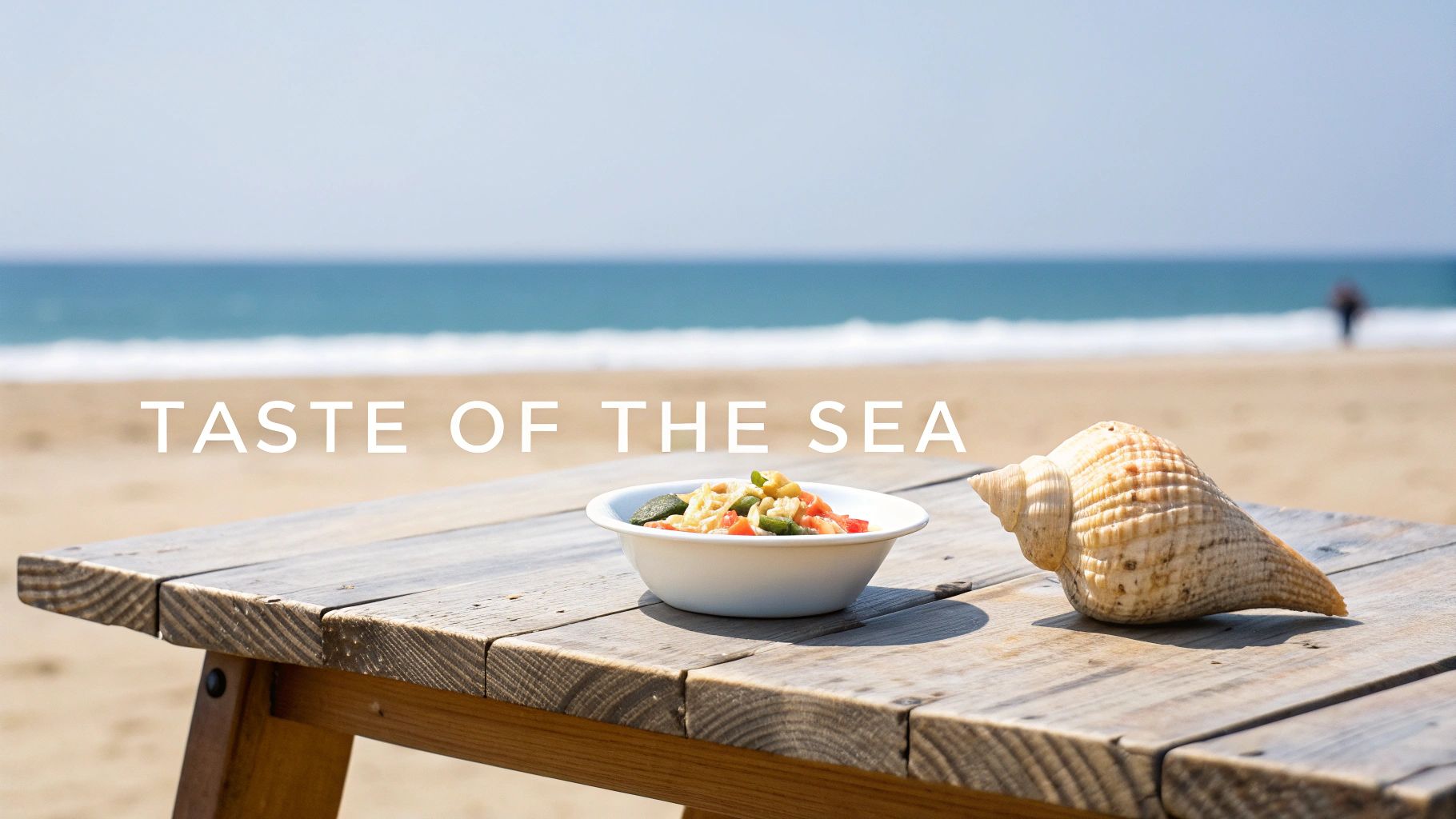
These aren't just afterthoughts; they are cultural institutions, each with a rich history and a specific role to play. Getting to know them is the key to appreciating the balance and depth of flavor in Bahamian cuisine. In fact, documenting their subtle variations from one island kitchen to the next is a perfect way to track the authentic tastes of your journey.
Peas n Rice: The Savory Heart of the Meal
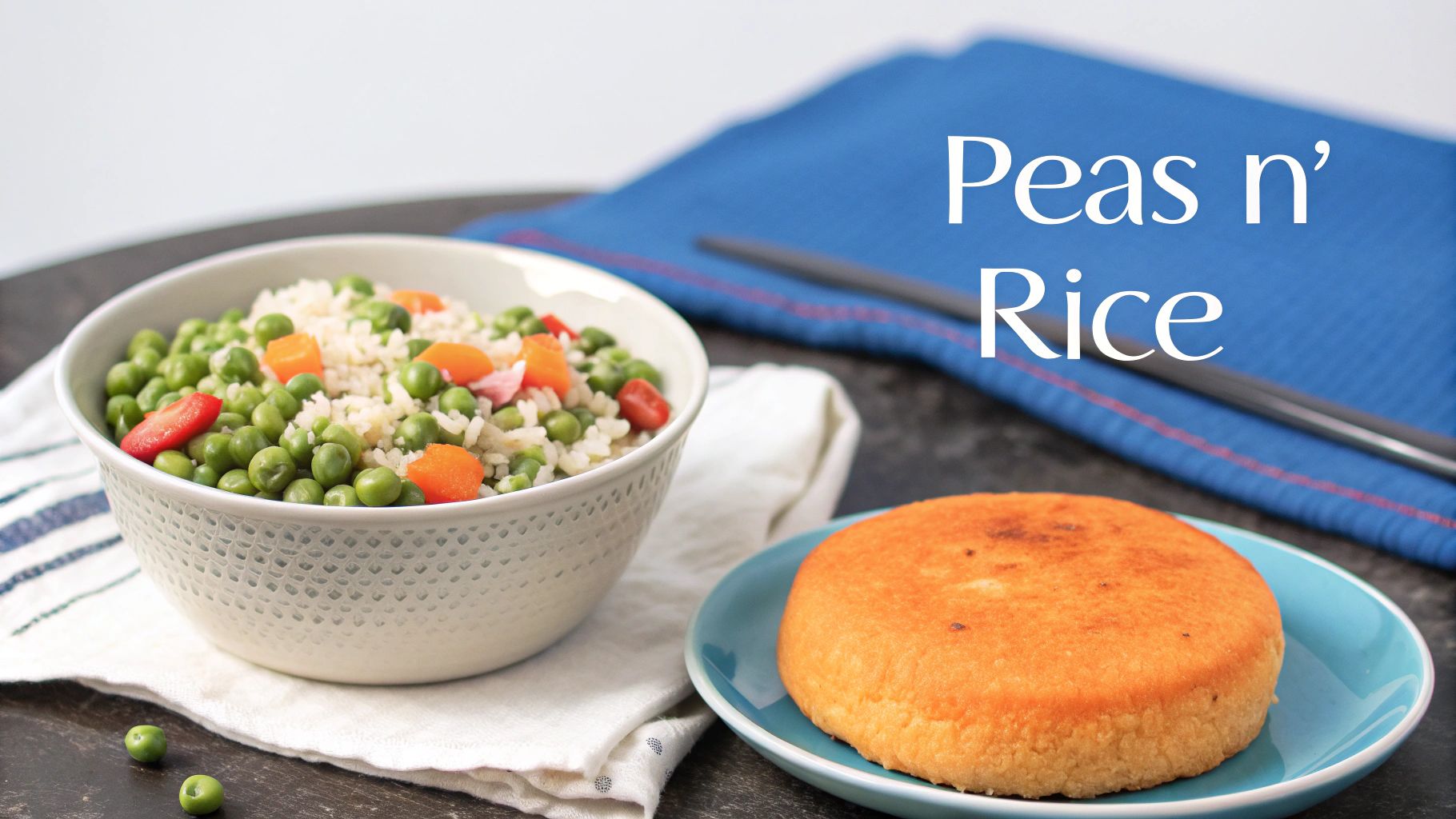
Across the Caribbean, you’ll find countless versions of rice and beans, but Bahamian Peas 'n' Rice has its own distinct personality. The "peas" here are almost always pigeon peas—small, nutty legumes that give the dish its signature earthy flavor and speckled look. Unlike some versions where cooked rice and beans are just mixed together, the true Bahamian style involves cooking the rice in a deeply flavorful stock infused with the peas from the very beginning.
The real magic, though, comes from the savory base. It’s often built with salt pork or bacon, which renders down to create a rich, smoky foundation. This is layered with aromatics like onion, celery, bell pepper, and a generous amount of fresh thyme. Some family recipes even add a touch of browned tomato paste for color and depth, resulting in a dish that’s fluffy, fragrant, and profoundly satisfying.
When you try it, make a note of the details. Is the flavor smoky, herbaceous, or tomato-forward? How does it compare to the last version you tasted? These observations create a fantastic side-by-side comparison in your food diary. The subtle use of thyme and other herbs is a great example of how different seasonings create unique culinary profiles, a topic you can explore further in our guide to spices from around the world.
Johnnycake: A Sweet and Sturdy Companion
Johnnycake is a culinary time capsule. It's a dense, slightly sweet bread with a history rooted in pure practicality. The name is believed to be a spin on "journey cake," as it was originally made by sailors and travelers who needed a durable, long-lasting bread for their voyages. Don't expect a light, fluffy loaf; this is a firm, pan-cooked creation with a texture somewhere between a dense cornbread and a scone.
Made from a simple dough of flour, milk, sugar, butter, and baking powder, it’s baked until golden brown and firm to the touch. The sweetness is subtle, designed to complement savory dishes rather than overpower them. Its main job on the modern Bahamian plate is to be the perfect tool for sopping up every last drop of flavorful broth from stews and soups—especially the tangy Chicken Souse.
Track Tastes, Share Discoveries: As you sample Johnnycake across the islands, you’ll notice small but important differences. Some are sweeter, others more buttery or dense. Capturing these nuances helps you build a personal map of Bahamian flavors, turning you into the critic of your own culinary story.
Pairing these two essential sides with a main dish creates the quintessential Bahamian plate. Here's a quick look at what makes each one unique:
| Side Dish | Flavor Profile | Texture | Best Paired With |
|---|---|---|---|
| Peas 'n' Rice | Savory, earthy, smoky | Fluffy, separated grains | Fried fish, steamed chicken, baked crab |
| Johnnycake | Mildly sweet, buttery | Dense, firm, biscuit-like | Hearty soups, fish stews, Chicken Souse |
Together, Peas 'n' Rice and Johnnycake provide a delicious lesson in Bahamian culinary tradition. They are the comforting constants that make every meal feel like a true taste of the islands, inviting you to rate like a critic and document every satisfying bite.
The Soul of Bahamian Comfort Food
Beyond the crispy fried snacks and sides, the real heart of Bahamian food beats in a warm, comforting bowl. Soups and stews are where family recipes come alive and memories are made, offering a taste of the islands that warms you from the inside out. These aren't just meals; they are the anchors of weekend gatherings and celebrations, with each spoonful teaching a lesson in deep, layered flavor.
This is where you move past casual bites and get into the dishes locals truly cherish. As you dive into this side of Bahamian cuisine, it’s the perfect chance to track tastes and document the complex dance of savory, tangy, and spicy notes, creating your own personal ranking of the islands' best comfort foods.
The Weekend Ritual of Chicken Souse
If one dish defines a Bahamian weekend, it’s Chicken Souse. Pronounced "sowse," this isn't some thick, heavy soup. Instead, it’s a surprisingly light, clear, and intensely flavorful broth celebrated for its restorative powers. It's the go-to meal for a Saturday lunch, especially after a long week or a late night out.
The soup's magic is all in its perfect balance of savory and sour. Tender pieces of chicken, still on the bone, are simmered with onions, allspice berries, and fiery goat peppers. The non-negotiable final touch is a generous squeeze of fresh lime juice, which slices through the richness and gives the broth its signature tangy kick.
Souse is a dish of beautiful contradictions. The broth is light, yet the flavor is incredibly deep and complex. When you log this experience, note the interplay between the savory chicken, the aromatic allspice, and that bright, acidic finish from the lime. How does the heat from the pepper build with each spoonful?
This beloved soup is almost always served with a thick slice of johnnycake, the perfect slightly sweet companion for soaking up every last drop of the invigorating broth. Tracking the subtle differences between each family’s or restaurant's version is a fantastic way to understand Bahamian flavor.
Stew Fish: The Rich and Hearty Staple
Where souse is light and tangy, Bahamian Stew Fish is its rich, savory counterpart. This hearty staple features firm, flaky white fish—usually grouper or snapper—simmered in a dark, velvety gravy. It’s a dish that showcases a different side of Bahamian cooking, one that’s built on a slow-cooked foundation of pure comfort.
The secret to its depth is the roux. The gravy starts with flour and oil cooked down until it reaches a deep brown color, creating a nutty, toasty base. This is then layered with a classic Bahamian mirepoix of onion, celery, and bell pepper, along with tomato paste and a blend of herbs.
Logging Your Stew Fish Experience
When you rate like a critic, break down the components to truly appreciate the craftsmanship behind the dish. A great bowl of stew fish is a masterclass in balance.
- The Gravy: Is it thick and rich, or on the thinner side? Note the color—a deep, dark brown indicates a well-developed roux and more intense flavor.
- The Fish: How is the texture? The grouper should be perfectly tender and flaky, never tough or mushy.
- The Flavor Profile: Can you taste the individual layers—the toasty roux, the sweet vegetables, the savory fish, and the subtle herbs?
Served over a bed of fluffy white rice or alongside creamy grits, Stew Fish is a profoundly satisfying meal. By documenting these soulful dishes, you create more than just a list of what you ate; you build a rich, personal chronicle of your Bahamian food discoveries.
Sweet Endings and Bahamian Desserts
No trip through the Bahamas is truly complete until you've explored the islands' uniquely comforting sweets. While fresh seafood and savory sides might be the main event, the final course is where the real warmth of Bahamian hospitality comes through. Forget delicate, fussy pastries; these desserts are all about rich, soulful flavors that feel like a hug in a bowl, often built around tropical fruits and a healthy splash of local rum.
This is the perfect last chapter for your food story, a chance to track tastes that are woven into the very fabric of Bahamian tradition. As you taste your way through these sweet endings, you’ll find that each one tells its own story of place, history, and celebration.
The Legendary Guava Duff
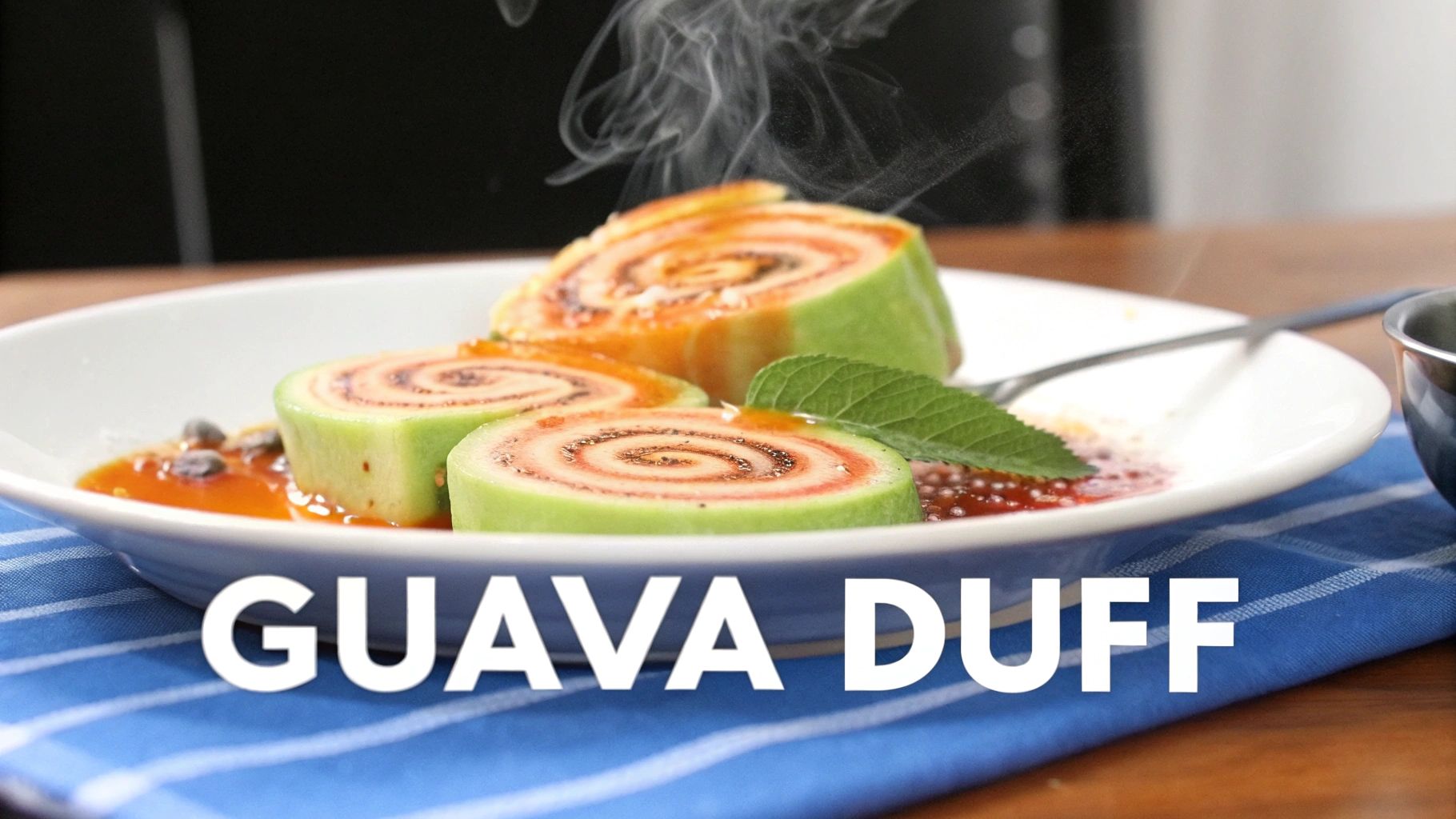
If there's one dessert that stands as the undisputed champion of Bahamian sweets, it has to be Guava Duff. This iconic dish is a soft, steamed pudding that perfectly captures the essence of island comfort. It's a fixture at family gatherings, holiday feasts, and Sunday dinners—a true taste of home for Bahamians everywhere.
Making it is a genuine labor of love. A soft, slightly sweet dough is rolled out and slathered with a thick layer of cooked guava, a fruit that grows like a weed across the islands. The dough is then rolled up into a log, creating that beautiful pink swirl in the middle, before being wrapped in cloth and steamed or boiled until it’s perfectly tender.
Rate like a critic: The magic of Guava Duff is all about the texture of the pudding and the quality of the sauce. When you log this dish, make a note of the dough's consistency—is it light and fluffy, or dense and more cake-like? The sauce is just as important; is it buttery, boozy, intensely sweet, or beautifully balanced? Capturing these details will help you remember what separates a good Guava Duff from a great one.
The final, non-negotiable element is the sauce. Slices of the warm duff are absolutely drenched in a decadent, buttery rum or brandy sauce. This sweet, boozy topping soaks right into the soft pudding, creating a melt-in-your-mouth experience that is both incredibly rich and deeply satisfying.
Other Sweet Treats to Discover
While Guava Duff usually steals the show, there are plenty of other traditional sweets that offer a delicious window into the Bahamian palate. These treats are often simpler, but they’re no less beloved, and they put key local ingredients on full display.
- Coconut Tarts: These little hand-held tarts feature a sweet, chewy filling of shredded coconut baked into a simple pastry shell. They’re a hugely popular snack you’ll find in bakeries and at roadside stands all over the islands, perfect for a quick sweet fix.
- Benny Cake: A historic sweet with deep African roots, benny cake is a simple candy made from sesame seeds (known as "benny") cooked with sugar until it hardens into a brittle. It’s a classic, old-fashioned treat with a fantastic nutty flavor and a satisfying crunch.
- Rum Cake: This is unofficially the national dessert. Bahamian rum cake is a rich, moist bundt cake that gets soaked in a potent, buttery rum syrup after it's baked. Unlike other cakes where the alcohol cooks off, this method guarantees a distinct boozy kick, making it a favorite for celebrations and a very popular souvenir.
Each of these desserts offers a different experience, from the soft, fruit-filled Guava Duff to the crunchy Benny Cake. As you sample them, document what you find. A simple note on the sweetness level, texture, or the quality of the sauce can turn a fleeting taste into a lasting memory, helping you build a complete and delicious chronicle of your Bahamian adventure.
How To Chronicle Your Bahamian Food Journey
A trip through the Bahamas is a feast for the senses, but those incredible food memories can start to fade the moment you get back home. To truly hold onto your culinary adventure, you need a plan. It’s about moving beyond a simple "that was good" and creating a personal, searchable chronicle of every single plate you taste.
This is your chance to become the critic of your own food story. By documenting the specifics—the perfect crisp of the cracked conch, the exact citrusy tang of the Chicken Souse, the buttery notes in the rum sauce on a flawless Guava Duff—you turn fleeting moments into a private food diary of your own palate. You’re building a personal map of flavors you can revisit and share anytime.
Go Beyond Simple Ratings
To create a rich food journal, you have to think about the details that define each dish. Instead of just slapping a score on it, ask yourself specific questions to build a more complete picture. This simple shift transforms a basic log into a powerful memory tool. And to help with the logistics of your culinary adventure, you can explore travel services for the Bahamas to assist with planning your trip.
Here are a few prompts to get you started:
- For Cracked Conch: How tender was the meat inside? Was the batter light and flaky or thick and crunchy? What kind of dipping sauce came with it, and how did it change the dish?
- For Conch Salad: What was the ratio of ingredients? Was it heavy on the onion, or perfectly balanced with tomato and pepper? How intense was the citrus "cook"—was it bright and zesty or more mellow?
- For Johnnycake: Describe the texture. Was it dense and biscuit-like, or was it lighter and sweeter, almost like cornbread? How well did it pair with the soup or stew it was served with?
- For Guava Duff: How was the dough—fluffy or more like a dense pudding? How prominent was the rum in the sauce, and what was its consistency?
Track Tastes, Share Discoveries: Your goal is to capture the unique signature of each preparation. The conch fritters from a beach shack in Eleuthera will be different from those at a Nassau fish fry. Documenting these variations is what makes your food journal a truly personal and valuable resource.
Create Personalized Lists and Comparisons
Once you start logging your meals, you can organize your discoveries into meaningful lists. This is where your personal palate becomes a powerful guide. Creating these collections helps you spot patterns in what you love and makes it easy to give specific, confident recommendations to friends and family.
Here are some list ideas to inspire your chronicle:
- The Ultimate Conch Shack Showdown: Rank every spot you tried for conch salad, fritters, and cracked conch.
- Top Johnnycakes of the Out Islands: Compare the texture and sweetness of Johnnycakes from different islands.
- My Favorite Bahamian Comfort Foods: A ranked list of the best souse, stew fish, and peas 'n' rice you discovered.
- Best Guava Duff on the Islands: Document your search for the perfect steamed pudding and rum sauce combination.
By taking a moment to rate like a critic and log the details, you transform your vacation meals from simple experiences into a living, searchable memoir of your appetite.
To get the most out of your journaling, it helps to have a framework. The table below offers specific prompts to guide your tasting notes, ensuring you capture the details that make each Bahamian dish unique.
Journaling Prompts for Bahamian Food
| Dish Category | Key Details to Track | Comparison Idea |
|---|---|---|
| Seafood | Freshness of the fish/conch, cooking method (fried, steamed, grilled), seasoning profile (spicy, savory, citrusy), texture of the meat. | Compare the cracked conch from a fine dining spot to a roadside stand. Which had better texture? |
| Soups & Stews | Broth consistency (thin vs. thick), depth of flavor, primary ingredients (meat, veggies), level of spice, accompaniments (lime, peppers). | Track how the Chicken Souse varies from island to island. Is one spicier or more lime-forward? |
| Sides | Texture of rice (fluffy, sticky), sweetness/density of Johnnycake or cornbread, flavor balance in macaroni & cheese (cheesy, creamy, baked). | Does the Johnnycake taste better with savory stew fish or on its own as a breakfast item? |
| Desserts | Sweetness level, texture (pudding vs. cake), dominant flavor (guava, rum), temperature contrast (warm duff with cold sauce). | Rate every Guava Duff you try on a 1-10 scale for both the duff and the sauce separately. |
Using these prompts helps you move beyond "it was good" and into the specifics that make a food memory last. It’s about building a richer, more detailed story of your culinary journey through the islands.
Frequently Asked Questions About Bahamian Food
Diving into a new cuisine always brings up a few questions. Think of this as your quick-start guide to the Bahamian menu, giving you the answers you need to order with confidence and make the most of every single bite.
What Is the National Dish of the Bahamas?
This is a topic of friendly debate across the islands, but if you had to pick just one, cracked conch gets the title. It’s tenderized conch meat, lightly battered, and fried to a perfect golden crisp. It’s everywhere for a reason.
That said, you'll find conch fritters and peas 'n' rice are just as beloved and appear on virtually every menu. Each one is a non-negotiable part of the Bahamian culinary story.
Is Bahamian Food Very Spicy?
Bahamian food is all about deep, savory flavor, not overwhelming heat. The spice usually comes from the local goat pepper, which is a cousin to the habanero and brings more of a bright, fruity warmth than a lingering burn.
You’ll find it used to give a lively kick to dishes like conch salad or a hearty souse, but it’s rarely overpowering. If you’re sensitive to heat, you can almost always ask them to go easy on the pepper.
What Does Conch Taste Like?
If you’ve never had it, conch is a unique experience. The flavor is mild, clean, and a little bit sweet—think of it as a cross between calamari and a scallop, with none of the "fishy" taste.
Its real defining feature is the texture. The meat is firm and satisfyingly chewy. When it’s prepared right—either pounded thin for cracked conch or sliced paper-thin and "cooked" in lime juice for a salad—it becomes incredibly tender. Tracking how you like it prepared is a great way to find your perfect conch dish.
Are There Vegetarian Options in Bahamian Cuisine?
Absolutely. While seafood is the star of the show, many of the most essential and delicious Bahamian side dishes are either naturally vegetarian or easily can be. You won’t have any trouble finding incredible things to eat.
Keep an eye out for these staples:
- Peas 'n' Rice: While often made with salt pork for flavor, you can easily find vegetarian versions. Just ask.
- Baked Macaroni and Cheese: This is a Bahamian soul food classic—creamy, savory, and totally satisfying.
- Johnnycake: A dense, slightly sweet bread that’s perfect for soaking up sauces or just eating on its own.
- Fried Plantains: A simple, sweet, and caramelized side that goes with just about everything.
Ready to turn these delicious discoveries into lasting memories? You can document every Bahamian dish, from the crispiest conch fritter to the richest guava duff. Track your tastes, create ranked lists of your favorites, and build a personal food story you can relive anytime. "Rate like a critic" and start your culinary chronicle today at https://savortheapp.com.