
Different kinds of omelettes: 10 Classic Recipes to Try Today
Harry the matcha king
Harry is our resident matcha obsessive. He’s tasted hundreds of bowls and tracks every cup in Savor.
Track tastes, share discoveries Savor is NOT a venue review app. Savor is NOT a dog review app. Savor is NOT a coupon saving app. The omelette isn't just a...
Track tastes, share discoveries
Savor is NOT a venue review app. Savor is NOT a dog review app. Savor is NOT a coupon saving app.
The omelette isn't just a breakfast staple; it's a global canvas for food creativity. From the tender, custardy French classic to the hearty Spanish tortilla, each region has its own take on this simple egg dish. This guide is for curious eaters, home cooks, and travelers wanting to learn the techniques, flavors, and stories behind ten different kinds of omelettes. You’ll get everything you need to cook, compare, and chronicle each version in your personal food diary.
A perfectly executed Omelette Baveuse in Paris feels worlds away from a rustic Bauernomlett in Bavaria. When you understand the differences—from the precise fold of Japanese Omurice to the slow-poached layers of Tortilla Española—you turn a simple meal into a memorable data point. Think of each recipe as a chance to build your food memory database, track your palate’s growth, and appreciate the subtle brilliance in every bite.
Mastering these dishes goes beyond following a recipe. It’s about grasping key cooking principles. To level up your home-cook game, check out proven chef techniques. In this article, you’ll get a focused look at what makes each omelette special, plus tips on how to note your progress in Savor. Let’s dive in.
1. French Omelette (Omelette Baveuse)
Among different kinds of omelettes, the French style is the ultimate test of finesse. Known as an omelette baveuse (“runny”), it’s all about a smooth, pale exterior that hides a creamy, barely-set center. No browning allowed—just gentle heat and constant movement to craft a silky texture that highlights high-quality eggs.
Jacques Pépin and Julia Child built their reputations on this technique. Cook it over medium-low heat, stir or shake the pan continuously, and stop when the eggs are about 90% set. Roll or fold quickly into a neat shape for that classic look.
How to Master the French Technique
- Heat Management: Medium-low heat in a nonstick pan—no browning.
- Constant Motion: Stir or shake the pan to form fine curds.
- Timing: Remove at 90% set; residual heat does the rest.
- Roll with Confidence: Tilt the pan, use a spatula flick, and shape the omelette.
Savor Logging Tip: Note the center’s consistency—“creamy,” “custard-like,” “silky.” Snap a photo right after plating to capture its smooth exterior. Compare to past logs and track your finesse.
2. Spanish Tortilla (Tortilla Española)
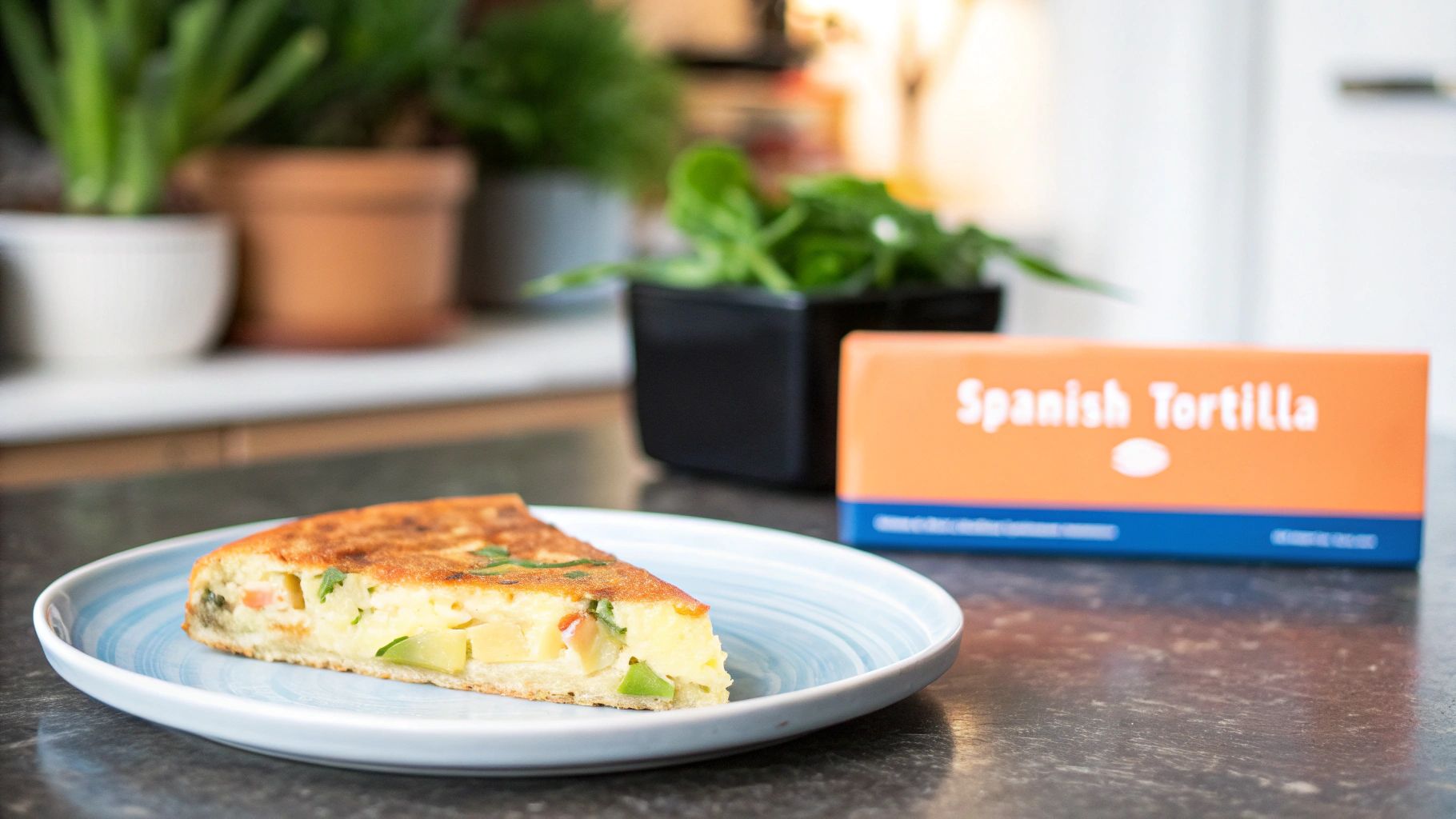
The Spanish Tortilla is a slow-poached potato-and-onion cake bound with eggs. It’s part frittata, part potato pie: thick, dense, and custardy. Cook potatoes and onions slowly in olive oil until tender, mix with eggs, then flip or broil to get that golden-brown top. Serve warm or at room temperature in wedges.
How to Master the Spanish Technique
- Patience with Potatoes: Thinly slice onions and potatoes (1/8"). Cook slowly in plenty of olive oil until soft, not brown.
- Let It Rest: Drain, cool slightly, mix with eggs, and rest 10–15 minutes for cohesion.
- Confident Flip: Cook in a well-seasoned pan, then flip onto a plate and slide back to finish.
- Room-Temp Serving: Flavors deepen as it cools—perfect for picnics or sandwiches.
Savor Logging Tip: Capture a cross-section photo to show potato-to-egg ratio and creamy texture. Note onion sweetness and total slice count for meal-prep data.
3. Italian Frittata
A frittata is like an open-faced quiche—no crust, plenty of fillings, finished under the broiler. Born from cucina povera (poor cooking), it’s perfect for leftover veggies, meats, and cheese. Cook on the stove, then transfer to the oven so the center sets evenly.
How to Master the Frittata Technique
- Prep First: Sauté veggies and meats; cool to room temperature to keep eggs cooking evenly.
- Oven-Safe Pan: Cast iron or nonstick works—go from stovetop to broiler.
- Low and Slow: Cook edges on medium-low until firm, then broil for final set.
- Balance Fillings: Keep a good egg-to-filling ratio. For more flavor, experiment with kinds of Italian sausage—you can learn more about types of Italian sausage here.
Savor Logging Tip: Document egg-to-filling ratios and ingredient combos. Photograph a side view to reveal distribution. Record time and temp for next repeat.
4. American Diner Omelette
This diner classic is all about fluff and filling. Whip eggs lightly, cook over medium-high heat to a light-golden exterior, then fold in diced ham, cheddar, peppers, and onions. The result is a thick, fluffy half-moon served hot off the griddle.
How to Master the Diner Technique
- Airy Eggs: Whisk until frothy but not thin—balance volume and texture.
- Buttered Pan: Heat to foam, then pour eggs for a golden crust.
- One-Side Fill: Add fillings to half the omelette when bottom is set.
- Fold, Don’t Roll: Fold to seal in fillings, then let rest a minute for melted cheese.
Savor Logging Tip: Focus on heartiness—“fluffy,” “golden,” “generously filled.” Note cheese melt and filling quality. Rate it on comfort, not technique finesse.
5. Japanese Omurice (Omelette Rice)
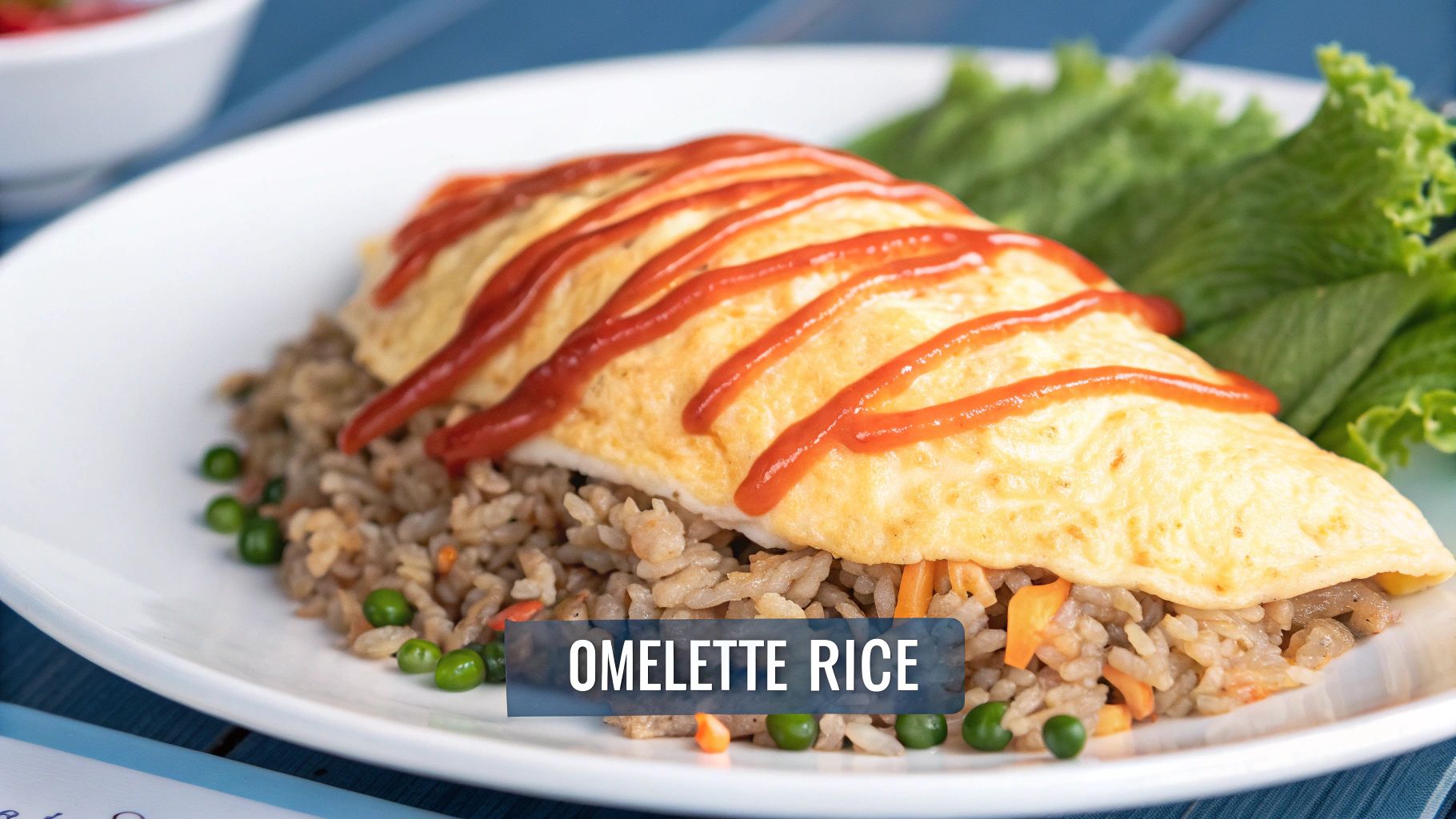
Omurice blends Western prep with Japanese flavors. Fried rice (usually chicken, veggies, ketchup) gets shaped on the plate, then draped with a thin, just-set omelette and finished with a ketchup design. The creamy egg against umami rice is crave-worthy.
How to Master the Omurice Technique
- Rice First: Cook and warm fried rice; mold into an oval before eggs.
- Slick Pan: Generously butter a nonstick pan so the omelette slides easily.
- Quick Cook: Medium-high heat for a just-set exterior and soft center.
- Perfect Slide: Tilt pan over rice and guide the omelette into place.
Savor Logging Tip: Photograph the ketchup art, then the first slice to show egg-to-rice ratio. Tag with “comfort food,” “Japanese fusion,” “ketchup rice.”
6. Portuguese Omeleta (Tortilha de Batata Variation)
Similar to the Spanish version but thinner and more custardy, the Portuguese omeleta highlights quality olive oil and slow-cooked potatoes. It’s a tender, almost creamy omelette, often with fresh herbs or chorizo for extra depth.
How to Master the Portuguese Technique
- Waxy Potatoes: Choose Yukon Gold or reds for firm, creamy slices.
- Low and Slow: Poach potatoes in extra virgin olive oil over low heat for 10–15 minutes.
- Gentle Set: Remove when center still wobbles; rest before slicing.
- Olive Oil Focus: Use a flavorful oil (e.g., Portuguese DOP Azeite de Moura) and note its character.
Savor Logging Tip: Log your olive oil’s region or varietal. Close-up slice photos show the creamy interior. Compare to your Spanish tortilla entries.
7. German Bauernomlett (Farmer's Omelette)
Rustic and hearty, the Bauernomlett is open-faced: potatoes, bacon, and onions cooked in bacon fat, then covered with eggs and pan-fried to a crispy bottom. It’s a one-pan meal perfect for big appetites.
How to Master the Farmer's Technique
- Build Layers: Render bacon, fry potatoes in the fat, then add onions to caramelize.
- Pour Eggs: Cover fillings; let eggs cook undisturbed for a crispy crust.
- Simple Finish: No flipping—slide out when the bottom is golden and the top set.
Savor Logging Tip: Rate “Comfort Execution” for crispiness vs. fluffiness. Note regional twists—Bavarian with chives, Prussian with herbs.
8. Middle Eastern Omelette with Za'atar & Labneh
This fusion omelette layers warm eggs with tart labneh and aromatic za'atar, often finished with fresh herbs and pomegranate molasses. It’s bold, colorful, and perfect for a modern brunch.
How to Master the Middle Eastern Technique
- Toast Spices: Dry-toast za'atar for 30–60 seconds to release aroma.
- Labneh Last: Spoon cool, thick labneh onto warm eggs for textural contrast.
- Fresh Herbs: Mint, parsley, or dill add bright notes—no dried stand-ins.
Savor Logging Tip: Note your za'atar’s origin—Lebanese, Palestinian, or Israeli. Overhead photos show color and texture. Track how each blend changes the flavor.
9. Korean Gyeran-Mari (Rolled Omelette)
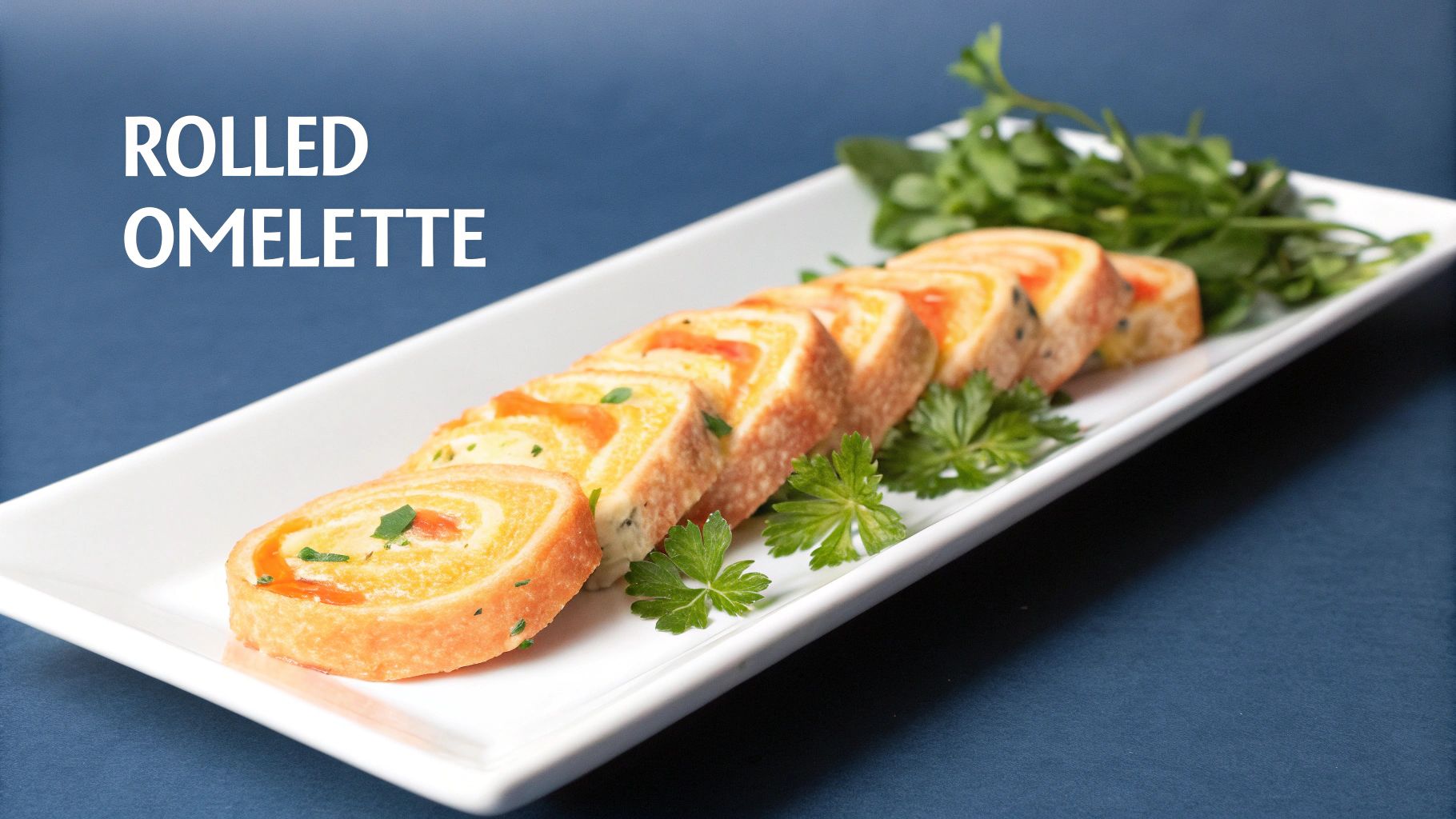
Gyeran-Mari is a layered egg roll sliced into pinwheels, a staple banchan. Thin egg layers are rolled with diced veggies, then sliced into neat disks. It’s tender, slightly sweet, and visually striking.
How to Master the Korean Technique
- Thin Layers: Pour just enough egg for a thin sheet; roll when mostly set.
- Gentle Roll: Use chopsticks or a spatula; oil the pan between layers.
- Shape and Slice: Rest, then cut with a sharp knife, wiping between cuts.
Savor Logging Tip: Photograph the spirals. Record fillings like kimchi or cheese to refine combos over time.
10. Swiss Omelette Soufflée (Omelette Soufflée à la Suisse)
This towering, airy creation uses whipped egg whites folded into yolks and finished in the oven. It’s dramatic, delicate—a true showstopper for special occasions.
How to Master the Soufflée Technique
- Whip Whites: Use a grease-free bowl and room-temp eggs; beat until firm peaks.
- Gentle Folding: Use a light cutting motion to keep air in the mix.
- Oven Finish: Start on the stove, then bake in a hot oven for an even rise.
- Serve Fast: Photograph and serve immediately before it deflates.
Savor Logging Tip: Capture its max puff in a photo. Tag textures like “cloud-like,” “airy,” and rate its “wow factor.”
Comparison of 10 Omelette Styles
| Omelette Style | Implementation Complexity | Resource Requirements | Expected Outcomes | Ideal Use Cases | Key Advantages |
|---|---|---|---|---|---|
| French Omelette (Omelette Baveuse) | High — precise stirring and timing | High-quality butter & eggs, nonstick pan, temperature control | Silky, barely-set center with elegant finish | Fine dining, technique practice | Refined texture; highlights ingredient quality; showcases skill |
| Spanish Tortilla (Tortilla Española) | Medium — slow cooking, flipping | Potatoes, onions, oil, cast-iron/nonstick, longer cook time | Thick, custardy potato-egg cake that holds up | Meal prep, picnics, family gatherings | Portable; flavors improve as it cools |
| Italian Frittata | Medium — even cooking and broiler | Oven-safe pan, mixed fillings, broiler access | Uniform wedges with mixed fillings | Leftovers, seasonal menus | Forgiving; showcases ingredients; full meal |
| American Diner Omelette | Low — basic technique | Extra eggs, butter, large pan, medium-high heat | Thick, fluffy, browned omelette with fillings | Quick breakfasts, diners | Customizable; crowd-pleasing; fast |
| Japanese Omurice (Omelette Rice) | High — two-part timing | Fried rice prep, nonstick pan, ketchup or demi-glace | Creamy omelette over savory rice; theatrical | Fusion restaurants, family meals | Strong visual impact; flavor contrast; complete dish |
| Portuguese Omeleta (Tortilha de Batata) | Medium — slow-cook potatoes | Waxy potatoes, quality olive oil, pan for slow cooking | Thinner, custardy omelette with oil aroma | European comfort food, travel eats | Highlights olive oil; delicate texture |
| German Bauernomlett (Farmer's Omelette) | Low–Medium — prep and finish | Bacon, potatoes, onions, sturdy pan | Crispy exterior with chunky fillings | Rustic meals, hearty breakfasts | Very satisfying; reheats well |
| Middle Eastern Omelette with Za'atar & Labneh | Medium — spice prep and assembly | Quality za'atar, labneh, fresh herbs | Flavor-forward, colorful omelette | Brunch, fusion menus, wellness content | Unique spice profile; nutritious; photogenic |
| Korean Gyeran-Mari (Rolled Omelette) | Medium — rolling technique | Thin pan, spatula/chopsticks, small fillings | Spiral discs; neat presentation | Banchan, snacks, meal prep | Visually striking; batch-friendly |
| Swiss Omelette Soufflée (Omelette Soufflée) | Very High — whipped whites & oven | Separate bowls, whisk/mixer, precise oven | Icy cloud-like puff that deflates quickly | Special occasions, fine dining | Dramatic texture; technical showcase |
Turn Your Taste Tests into a Lasting Chronicle
You’ve just taken a global tour of omelettes—from the silky French fold to the rustic Spanish tortilla. Each version reflects culture, technique, and the joy of transforming eggs into something memorable.
Think back on the different kinds of omelettes we covered. The overstuffed American Diner Omelette offers comfort, while the artful Japanese Omurice shows playful precision. The Middle Eastern omelette with za'atar & labneh and the rustic German Bauernomlett prove humble ingredients can shine.
From Inspiration to Action: Your Culinary Roadmap
- Start a Themed Omelette Challenge: Pick one style each month. Log every attempt; it’s about your story, not perfection.
- Create a Comparative Tasting Log: Make two side by side. Note texture, flavor, and difficulty to sharpen your palate.
- Host a Global Brunch Potluck: Assign styles to friends—Korean Gyeran-Mari here, Portuguese Tortilha there. Turn cooking into community.
The Power of a Personal Food Chronicle
Your cooking moments—whether nailing Omurice for your kids or discovering the best Denver omelette—are snapshots of your taste journey. Logging them turns fleeting meals into lasting memories. You’ll track preferences, improve skills, and build your own database of foods you love.
Ready to capture every fluffy center and savory filling from your omelette discoveries? Rate like a critic and build your personal food memory database with Savor, your private diary for meals big and small. Savor helps you log and compare different kinds of omelettes—anywhere, anytime.