

A Visual Guide to Vegetables: Names, Pictures, and How to Use Them
Alex the juice queen
Alex hunts for the best juice bars and presses. She rates every sip and saves her favorites in Savor.
Every vegetable tells a story, from the soil it grew in to the unique flavor it brings to your plate. But how often do we pause to truly appreciate the humble...
Every vegetable tells a story, from the soil it grew in to the unique flavor it brings to your plate. But how often do we pause to truly appreciate the humble tomato in a perfect pasta or the crisp bell pepper in a vibrant stir-fry? For food lovers who believe every meal is a memory worth saving, knowing your ingredients is the first step toward a richer culinary experience.
This guide is more than a simple list of vegetables names with pictures. It's a practical toolkit for parents teaching their kids, home cooks seeking new ideas, and anyone curious about documenting their food journey. We'll explore 12 essential vegetables with clear pictures, simple uses, and smart storage tips to elevate your cooking. Beyond just one ingredient, building a complete food vocabulary is key; you can explore more about fruits and veggies to expand your knowledge further.
Most importantly, this resource will show you how to turn these everyday ingredients into a rich, searchable chronicle of your unique taste journey. Think of it as your field guide for the grocery aisle and your inspiration for documenting the dishes that define your palate. Let's dive in and learn how to track tastes and share discoveries, one vegetable at a time.
1. Tomato
Botanical Name: Solanum lycopersicum
The tomato is a culinary cornerstone, technically a fruit but used worldwide as a vegetable. It's the foundation for countless dishes, from rustic Italian sauces to vibrant Mexican salsas. This nightshade is celebrated for its rich flavor, which can range from sweet and tangy to deeply savory, depending on the variety. Its versatility makes it a must-have in any kitchen.

Identification and Culinary Uses
Tomatoes come in thousands of types, each with unique traits. Key varieties include:
- Beefsteak: Large and meaty, ideal for slicing for sandwiches and burgers.
- Cherry: Small, sweet, and juicy, perfect for salads, snacking, or roasting.
- Roma (Plum): Oval-shaped with dense flesh and few seeds, making them the top choice for sauces.
- Heirloom: Unique varieties with diverse shapes, colors, and intense flavors, often featured in salads like Caprese.
Smart Storage and Preparation
To preserve their flavor, store tomatoes at room temperature away from direct sunlight, not in the refrigerator. Chilling them can create a mealy texture and muted taste. For peak flavor, grab them from a local farmers market during their growing season. If you're exploring how different vegetables shape regional dishes, check out this guide on Peruvian potato varieties—it’s a great example of how one vegetable can define a nation's cuisine.
2. Bell Pepper
Botanical Name: Capsicum annuum
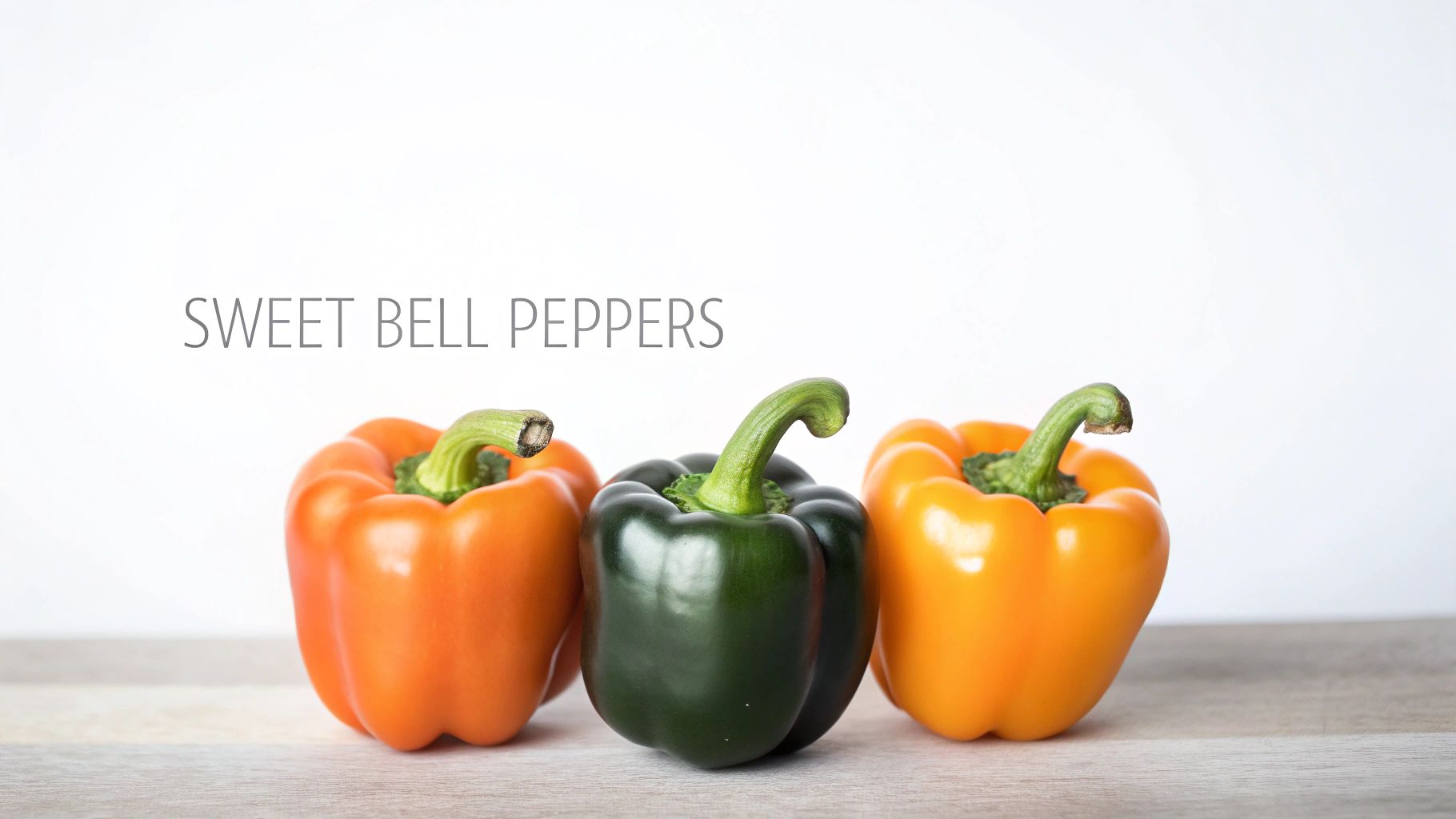
A staple in global cooking, the bell pepper is the sweet, mild member of the capsicum family. Unlike its spicy relatives, it lacks capsaicin, the compound that creates heat. Its crisp texture when raw and mellow sweetness when cooked make it incredibly versatile. Available in a rainbow of colors from green to red, each stage of ripeness offers a unique flavor, making it a favorite for adding color and crunch to any dish.
Identification and Culinary Uses
Bell peppers are easily identified by their blocky shape and glossy skin. Their color indicates their maturity and taste.
- Green: Harvested earliest, they have a slightly bitter, grassy flavor and are great for stir-fries or stuffing.
- Yellow/Orange: Sweeter than green peppers, these are ideal for roasting or adding vibrant color to salads and fajitas.
- Red: Fully ripened, red bell peppers are the sweetest and have the most vitamin C. They are perfect for roasting or creating rich dips like muhammara.
Smart Storage and Preparation
Store whole, unwashed bell peppers in the crisper drawer in your fridge, where they can last for one to two weeks. Once cut, keep them in an airtight container for up to three days. Raw slices add a refreshing crunch to salads, while roasting them brings out a deep, smoky sweetness. Tracking how different colors or cooking methods change a dish is a great way to refine your palate and log new flavor combinations.
3. Spinach
Botanical Name: Spinacia oleracea
Spinach is a nutrient-dense leafy green celebrated for its versatility. This member of the amaranth family is a powerhouse of iron, calcium, and essential vitamins. Its mild, slightly earthy flavor allows it to blend seamlessly into a huge range of dishes, from Mediterranean salads to rich Indian curries. For anyone tracking their wellness journey, spinach is a foundational ingredient for building healthy, flavorful meals.
Identification and Culinary Uses
Spinach is typically sold in bunches or pre-washed in bags. Its tender texture works for both raw and cooked dishes. Popular uses include:
- Raw: Added to salads for a nutritional boost or blended into green smoothies.
- Sautéed or Wilted: A quick and easy side dish, often with garlic and olive oil.
- Creamed: A classic, comforting preparation popular in Western cuisines.
- Baked Dishes: An essential ingredient in recipes like Greek spanakopita (spinach pie) and Italian lasagna.
- Curries and Soups: Provides body and nutrients to dishes like Indian saag paneer.
Smart Storage and Preparation
To keep spinach fresh, store it unwashed in a plastic bag in the refrigerator's crisper drawer for up to a week. Before use, rinse the leaves thoroughly to remove any grit. For cooking, remember that spinach reduces in volume dramatically, so use more than you think you need. Tracking its impact in your meals can reveal how different cooking styles affect its taste and texture. For more on leafy greens, exploring the different types of lettuce can offer interesting comparisons.
4. Broccoli
Botanical Name: Brassica oleracea var. italica
Broccoli is a popular vegetable from the cabbage family, easily identified by its dense, tree-like green florets. It has become a superfood staple, largely due to its rich nutritional profile. It appears across Asian, Mediterranean, and North American cuisines, offering a satisfying crunch when raw and a tender, earthy depth when steamed or roasted.
Identification and Culinary Uses
While classic broccoli is most common, several other varieties offer unique textures and flavors. These are essential to recognize when looking for vegetables names with pictures for your food diary:
- Broccoli Rabe (Rapini): A more bitter, leafy relative with thinner stalks, often featured in Italian cooking.
- Chinese Broccoli (Gai Lan): Known for its long stems and flat leaves, it has a slightly more bitter taste and is a staple in stir-fries.
- Broccolini: A hybrid of broccoli and Chinese broccoli, it has long, slender stalks and a milder, sweeter flavor.
Broccoli is incredibly versatile, starring in dishes from a simple Chinese garlic stir-fry to a creamy Indian curry or roasted with lemon Mediterranean style.
Smart Storage and Preparation
Store unwashed broccoli in a loose plastic bag in your refrigerator’s crisper drawer for up to five days. Both the florets and stalks are edible; peel the tough outer layer of the stalk and slice the tender interior for slaws or soups. For parents, documenting how different cooking methods affect your family's ratings can be a game-changer. Compare roasted vs. steamed broccoli to see which preparation gets the best reviews from your toughest critics.
5. Carrot
Botanical Name: Daucus carota subsp. sativus
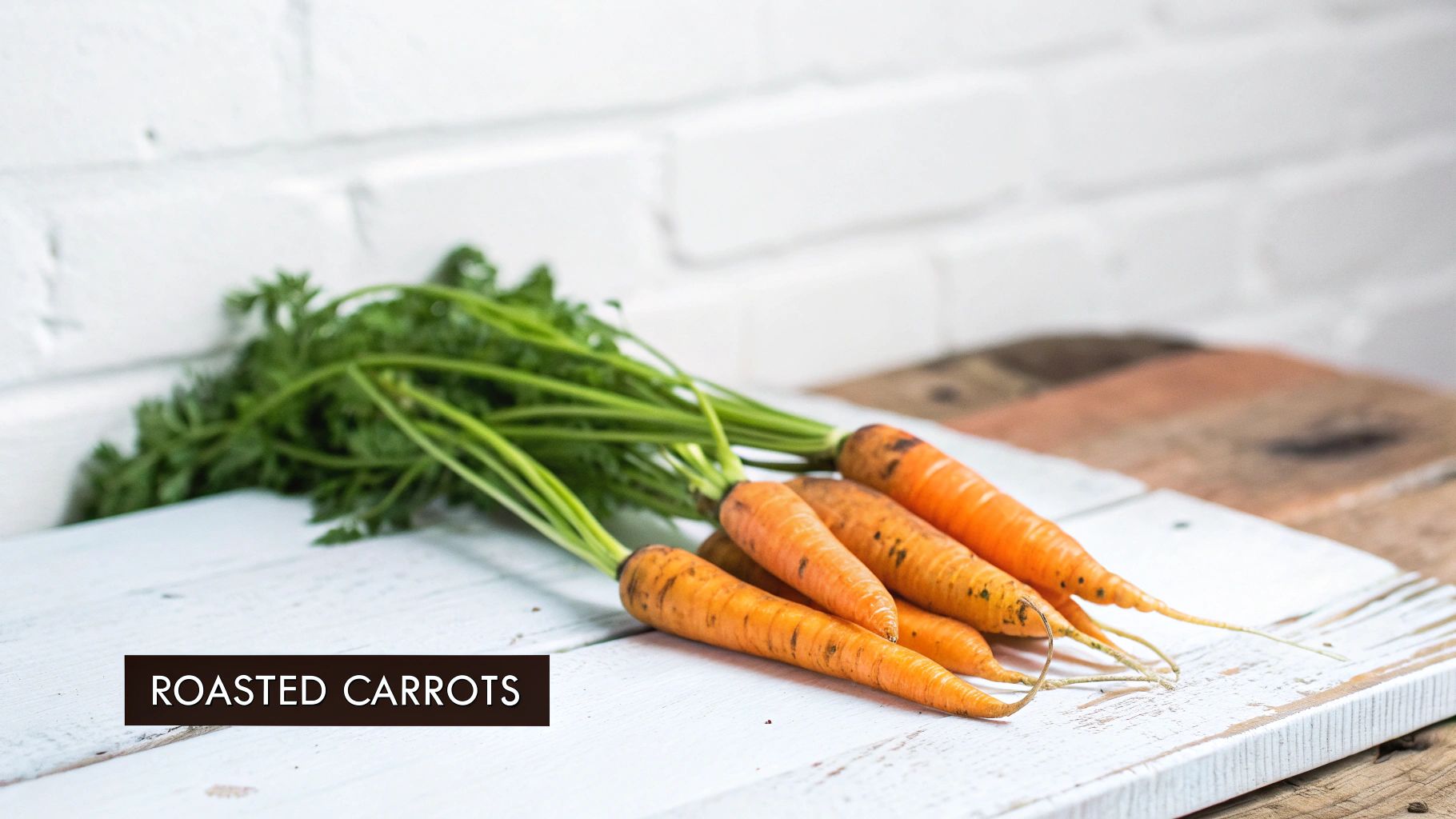
The carrot is a popular root vegetable known for its satisfying crunch and natural sweetness. While most recognized for its bright orange color, this vegetable also comes in purple, yellow, and white varieties. Rich in beta-carotene, carrots are a versatile ingredient in countless global dishes, from savory Middle Eastern tagines to crisp Asian slaws, making them a kitchen staple.
Identification and Culinary Uses
Carrot varieties offer a range of textures and sweetness levels suitable for different dishes. Key examples include:
- Imperator: Long and tapered, this is the classic supermarket carrot ideal for slicing into sticks for snacking.
- Nantes: Cylindrical with a blunt tip, these are known for being sweet and tender, perfect for juicing or roasting.
- Chantenay: Short and stout, their rich flavor deepens when cooked, making them excellent for stews and glazes.
- Global Dishes: Carrots star in dishes like Moroccan carrot salad, Vietnamese carrot and daikon pickle (do chua), and Chinese five-spice roasted carrots.
Smart Storage and Preparation
Store carrots in the coolest part of your refrigerator, away from fruits like apples that produce ethylene gas, which can make them bitter. Remove the green tops before storing, as they draw moisture from the roots. For a culinary experiment, track how different cooking methods transform their profile; compare the earthy sweetness of a raw carrot to the concentrated flavor of a roasted one.
6. Cucumber
Botanical Name: Cucumis sativus
A member of the gourd family, the cucumber is celebrated for its crisp texture and cool, refreshing flavor, a quality derived from its high water content (about 95%). This vine-grown staple is a key ingredient in countless global cuisines, offering a clean, subtle taste that complements bolder flavors. From Mediterranean salads to Asian side dishes, its versatility makes it an indispensable component for light, hydrating meals.
Identification and Culinary Uses
Cucumbers are generally categorized into two main types: slicing and pickling. Each brings a unique quality to the kitchen.
- Slicing Cucumbers: Longer, with smoother skin, these are ideal for raw preparations like Greek tzatziki or Israeli salads.
- Pickling Cucumbers (Kirby): Shorter, thicker, and bumpy, their firm flesh holds up well to brining. They are essential for making pickles but are also great in salads when you want an extra crunch.
- Seedless (English/Hothouse): Often sold plastic-wrapped, these are long and thin with delicate skin that doesn't require peeling. They have a mild flavor and minimal seeds, perfect for elegant preparations.
Smart Storage and Preparation
To maintain their crispness, store whole, unwashed cucumbers in the crisper drawer of your refrigerator for up to a week. Once cut, wrap the exposed end tightly with plastic wrap to prevent it from drying out. For a less watery texture in salads or sauces, you can slice the cucumber and lightly salt it, letting it sit for 15-20 minutes to draw out excess moisture before patting it dry.
7. Garlic
Botanical Name: Allium sativum
Garlic is a pungent allium and a foundational aromatic in almost all global cuisines. A member of the onion family, this small bulb is composed of individual cloves, each bursting with complex flavor. Raw garlic delivers a sharp, spicy bite, while cooking transforms it, mellowing its intensity into a sweet, nutty, and deeply savory character. Its versatility makes it an indispensable ingredient that shapes dishes from every corner of the world.
Identification and Culinary Uses
Garlic's flavor profile changes dramatically based on how you prepare it, making it a key variable to track in your food diary. Its uses are nearly limitless:
- Raw: Finely minced or pressed, it adds a pungent kick to dressings and dips like hummus.
- Sautéed: Sliced or chopped and lightly cooked in oil, it forms the flavor base for stir-fries, soups, and pasta sauces.
- Roasted: Whole heads become creamy, sweet, and mild, perfect for spreading on bread or mashing into potatoes.
- Infused: Whole cloves can be steeped in oil to create a flavorful garlic oil for drizzling or cooking.
Smart Storage and Preparation
Store whole garlic bulbs in a cool, dark, and dry place with good air circulation, like a mesh bag in your pantry. Avoid storing them in plastic or the refrigerator, which can cause them to sprout or mold. Garlic acts as both a vegetable and a potent flavoring agent, similar to many items in this guide to spices from around the world. This highlights how a single ingredient can define a dish's character.
8. Onion
Botanical Name: Allium cepa
The onion is a layered bulb from the allium family, serving as a foundational flavor base in practically all global cuisines. This indispensable ingredient is celebrated for its transformation from pungent and sharp when raw to deeply sweet and savory when cooked. Available in yellow, red, white, and sweet varieties, the onion's versatility makes it a cornerstone of countless dishes.
Identification and Culinary Uses
Each onion variety offers a distinct flavor suitable for different culinary applications.
- Yellow Onions: All-purpose and robust, they become mellow and sweet with cooking. Ideal for caramelizing, soups, and roasts.
- Red Onions: Mild and crisp with a vibrant color, they are best used raw in salads, salsas, and as a garnish.
- White Onions: Sharper and more pungent than yellow onions, with a clean finish. They are a staple in Mexican cuisine and excellent for grilling.
- Sweet Onions (Vidalia, Walla Walla): With high sugar content, they are perfect for eating raw or making onion rings.
Smart Storage and Preparation
Store whole, dry onions in a cool, dark, and well-ventilated place. Avoid storing them near potatoes, as the gases they release can cause the other to spoil faster. Once cut, wrap onions tightly or place them in an airtight container in the refrigerator for up to a week. When preparing onions, a sharp knife helps minimize the release of tear-inducing compounds.
9. Mushroom
Botanical Name: Agaricus bisporus (for common button/portobello varieties)
Mushrooms are a culinary standout, botanically classified as fungi but celebrated as a vegetable in kitchens worldwide. Prized for their deep, savory flavor, they bring a meaty texture and profound umami to a vast array of dishes, serving as a satisfying meat substitute and a powerful flavor enhancer. From delicate button mushrooms to rich, earthy shiitake, their versatility is transformative.
Identification and Culinary Uses
The mushroom family is incredibly diverse, with each type offering a distinct taste and texture. Key varieties include:
- Cremini/Portobello: Young cremini are mild and firm, while mature portobellos are large and meaty, perfect for grilling.
- Shiitake: These have a smoky, earthy flavor and are a staple in Asian cooking, used in everything from miso soup to stir-fries.
- Oyster: Delicate, with a subtle flavor, they are excellent when sautéed or fried.
- Porcini: A gourmet favorite with a rich, nutty profile, often used dried to add intense flavor to sauces.
Smart Storage and Preparation
Store fresh mushrooms in a paper bag in the refrigerator to allow them to breathe and prevent them from becoming slimy. Clean them with a damp cloth or a soft brush right before using. For food enthusiasts, comparing the umami intensity of fresh versus dried mushrooms can be a fascinating exercise. Exploring these nuances helps you understand what is umami flavor and how to harness it in your cooking.
10. Zucchini
Botanical Name: Cucurbita pepo
Zucchini is a popular summer squash celebrated for its tender flesh, edible skin, and mild flavor. Its high water content and minimal calories make it a versatile and healthy ingredient in countless international dishes. This adaptable vegetable serves as a foundational component in everything from savory fritters to refreshing salads, and its subtle taste allows it to absorb the flavors of herbs and spices beautifully.
Identification and Culinary Uses
Available in deep green and bright yellow varieties, zucchini is best when small to medium-sized, as larger ones can be watery. Its culinary applications are remarkably diverse:
- Sautéed or Grilled: Sliced into rounds or planks and cooked with herbs, it becomes a simple, elegant side dish.
- Raw: Thinly sliced or spiralized, it adds a crisp, refreshing crunch to salads.
- Stuffed: Hollowed out and filled with grains, meats, or cheeses, as seen in many Middle Eastern recipes.
- Baked: Shredded into breads and muffins for added moisture.
- Noodle Substitute: Spiralized "zoodles" offer a low-carb, gluten-free alternative to pasta.
Smart Storage and Preparation
Store unwashed zucchini in a perforated plastic bag in the refrigerator’s crisper drawer for up to one week. Avoid washing it until you are ready to use it, as moisture can hasten spoilage. When preparing, remember that smaller, younger zucchinis are more tender and flavorful. For those tracking their plant-based meals, documenting zucchini dishes is a great way to monitor low-calorie intake while exploring its versatility.
11. Avocado
Botanical Name: Persea americana
The avocado is a nutrient-dense fruit, though it is treated as a vegetable in most cooking. Originally from Central Mexico, it's celebrated for its uniquely creamy texture and healthy fats. Its buttery consistency and mild, slightly nutty flavor make it incredibly versatile, appearing in everything from classic Mexican guacamole to Japanese sushi. This superfood is a favorite among wellness enthusiasts and food explorers alike.
Identification and Culinary Uses
While many varieties exist, the Hass avocado is the most common globally. Key characteristics and uses include:
- Hass: Recognizable by its pebbly skin that turns from green to purplish-black when ripe. Its creamy flesh is perfect for guacamole and spreads.
- Fuerte: Pear-shaped with smooth green skin. It has a lighter, oilier texture, great for salads and smoothies.
- Pinkerton: Features a long, pear-like shape. Its small seed and creamy flesh make it a good choice for sandwiches.
- Culinary Applications: Avocados are mashed into guacamole, sliced onto toast, blended into smoothies, diced into salads, and used as a creamy component in sushi rolls.
Smart Storage and Preparation
Store unripe avocados at room temperature until they yield to gentle pressure. To speed up ripening, place them in a paper bag with a banana. Once ripe, you can move them to the refrigerator for a few days. After cutting, prevent browning on the exposed flesh by applying citrus juice (lime or lemon) and covering it tightly with plastic wrap. This time sensitivity makes avocados a great item to track in your food diary, noting how their quality changes from perfectly ripe to overripe.
12. Lettuce
Botanical Name: Lactuca sativa
A foundational ingredient in salads, lettuce is a leafy green vegetable belonging to the daisy family. Valued for its high water content and crisp texture, it serves as the base for countless dishes. Different varieties offer distinct textures and flavor profiles, ranging from the mild, crunchy iceberg to the more flavorful and tender butterhead, making it a versatile staple in any kitchen.
Identification and Culinary Uses
Lettuce is more than just a salad green; its various forms play different roles in the kitchen. Key varieties include:
- Romaine: Known for its sturdy, elongated leaves and crunchy rib, it is the classic choice for Caesar salads.
- Iceberg: A pale green head with tightly packed, crisp leaves. Its mild flavor holds up well with heavy dressings.
- Butterhead (Boston/Bibb): Features soft, tender leaves that form a loose head. Its mild flavor is perfect for delicate salads and lettuce wraps.
- Looseleaf: This variety does not form a compact head, offering tender leaves in colors from green to deep red. It adds a gentle flavor to mixed green salads.
Smart Storage and Preparation
To maintain freshness, wash and thoroughly dry lettuce leaves before storing them. Wrap the leaves in a paper towel and place them in a plastic bag or container in the refrigerator's crisper drawer. This helps absorb excess moisture and prevents wilting. For food explorers, comparing how different lettuce types support other flavors can be a fascinating experiment. You could track how a classic vinaigrette tastes on crisp Romaine versus delicate Butterhead to document your taste journey.
12 Vegetables: Names & Pictures Comparison
| Ingredient | Implementation complexity | Resource requirements | Expected outcomes | Ideal use cases | Key advantages |
|---|---|---|---|---|---|
| Tomato | Low (raw or simple cooking; sauces need longer cook) | Moderate — year-round availability; best flavor in season; minimal storage | Juicy, bright acidity; rich when cooked; high lycopene | Salads, sauces, salsas, regional comparisons | Versatile, nutritious, widely used |
| Bell Pepper | Low (raw, roast adds a step) | Seasonal price/availability; multiple color varieties | Crisp raw; sweet and mellow when roasted; high vitamin C | Roasted toppings, salads, stir-fries | Visual appeal, texture contrast, vitamin C |
| Spinach | Low–Medium (quick prep; wilts when cooked) | Perishable; refrigerated storage; available year-round | Nutrient-dense, mild earthy flavor; volume reduces when cooked | Salads, saag, smoothies, health-focused dishes | High micronutrients; versatile in raw/cooked forms |
| Broccoli | Low–Medium (steaming/roasting timing matters) | Year-round availability; durable refrigerable | Crunchy raw or tender cooked; high vitamin C/K and sulforaphane | Roasts, stir-fries, kid-friendly meals | Strong nutrient profile; texture versatility |
| Carrot | Low (raw, roast or boil) | Year-round, long shelf-life; inexpensive | Sweet crunch raw; intensified sweetness when roasted; high beta‑carotene | Roasted sides, salads, pickles | Natural sweetness, child-friendly, visual appeal |
| Cucumber | Very low (mostly raw or pickled) | Very perishable; best fresh; high water content | Refreshing, hydrating, very low calorie | Salads, pickles, cooling sides | Hydration, low calories, crisp texture |
| Garlic | Low–Medium (raw vs. roasted changes profile) | Long shelf life; year-round | Pungent raw; mellow and sweet when cooked; strong aromatic impact | Flavor base, garlic-forward dishes, marinades | Dramatic flavor transformation; storage hardy; health benefits |
| Onion | Low–Medium (simple prep; long caramelization time) | Long shelf life; widely available | Pungent raw to sweet when caramelized; foundational flavor | Mirepoix/bases, caramelized toppings, fritters | Major flavor development potential; versatile varieties |
| Mushroom | Low–Medium (cleaning; fresh vs. dried uses) | Perishable fresh; dried extends shelf; specialty varieties costly | Umami-rich, range from delicate to meaty; concentrated when dried | Risottos, soups, meat substitutes, umami boosters | Umami depth, texture variety, good dried flavor |
| Zucchini | Very low (simple prep; avoid overcooking) | Seasonal (summer); high water; best fresh | Mild, hydrating, low calorie; texture can be fragile when cooked | Grilled, noodles, fritters, summer sides | Low calorie, neutral base, versatile cooking forms |
| Avocado | Low (simple prep; ripeness-sensitive) | Pricey; narrow ripeness window; year-round imports | Creamy, high mono‑unsaturated fat; satiating and nutrient-dense | Guacamole, toast, sushi, salads | Creamy mouthfeel, healthy fats, ripeness-driven quality |
| Lettuce | Very low (wash and chop) | Very perishable; best fresh; multiple varieties | Crisp, very low calorie; mild flavor; hydrating | Salads, wraps, garnishes | Low calorie base, textural variety, widely available |
Turn Your Knowledge into a Personal Food Story
You've journeyed through a visual encyclopedia of essential vegetables, from the humble carrot to the crisp bell pepper. This guide, filled with vegetables names with pictures, was designed to do more than just help you identify produce; it’s a foundational toolkit for building a deeper relationship with your food. We've explored the subtle differences in texture, the best storage methods, and the diverse ways each vegetable can shine. The key takeaway is that every ingredient has a story and a specific role it can play in your kitchen.
This knowledge transforms routine cooking into a creative process. Understanding that a Roma tomato is best for sauces while a cherry tomato excels in salads, or that sautéing garlic brings out its sweetness, empowers you to make more informed and flavorful decisions. You are no longer just following a recipe; you are conducting an orchestra of flavors, using your understanding of each vegetable's unique profile to craft meals that resonate with your personal taste.
From Identification to Implementation
The true value of this guide is in its practical use. The next step is to move from passive learning to active exploration. Challenge yourself to turn this knowledge into tangible culinary experiences.
- Themed Cooking Challenges: Dedicate a week to exploring a single vegetable. Try broccoli roasted, steamed, and raw in a slaw. Documenting these variations helps you pinpoint exactly how preparation methods alter taste and texture.
- Taste-Testing with a Purpose: When you try a new dish at a restaurant, use your vegetable knowledge to deconstruct the flavors. Can you identify the type of onion used? Is that spinach or a different leafy green? This mindful practice sharpens your palate.
- Building a Flavor Library: Start a simple food diary or use a dedicated tool to log your discoveries. Note which vegetables your family enjoys most and which preparation methods became instant favorites. This personal database becomes an invaluable resource for meal planning.
By actively engaging with these ingredients, you’re not just memorizing facts; you're building a sensory catalog. This catalog will become your guide, helping you innovate in the kitchen and share more meaningful meals. Expanding on your knowledge, you might even consider growing your own vegetables in pots, which offers an unparalleled connection to your food from seed to plate.
Create Your Culinary Chronicle
Every meal you eat is a data point in your personal food story. Capturing these moments is about understanding your own evolving palate. Did you discover that you prefer the mildness of zucchini over the bitterness of cucumber? Did a trip introduce you to a new way of preparing bell peppers that you now use weekly? These are the details that define your culinary identity.
This journey from recognizing vegetables names with pictures to chronicling your gastronomic adventures is where food becomes more than sustenance. It becomes a medium for memory, culture, and personal expression. So, the next time you slice into a perfectly ripe avocado, take a moment to truly savor the experience. Note the aroma, the texture, and the flavor. This simple act of paying attention is the first step in turning everyday meals into a lasting legacy of taste.
Ready to turn these insights into a personal food story? Savor is the perfect tool to privately document your culinary journey, track your favorite vegetable dishes, and build a searchable library of your taste memories. Start cataloging your discoveries and rate like a critic with Savor today.