
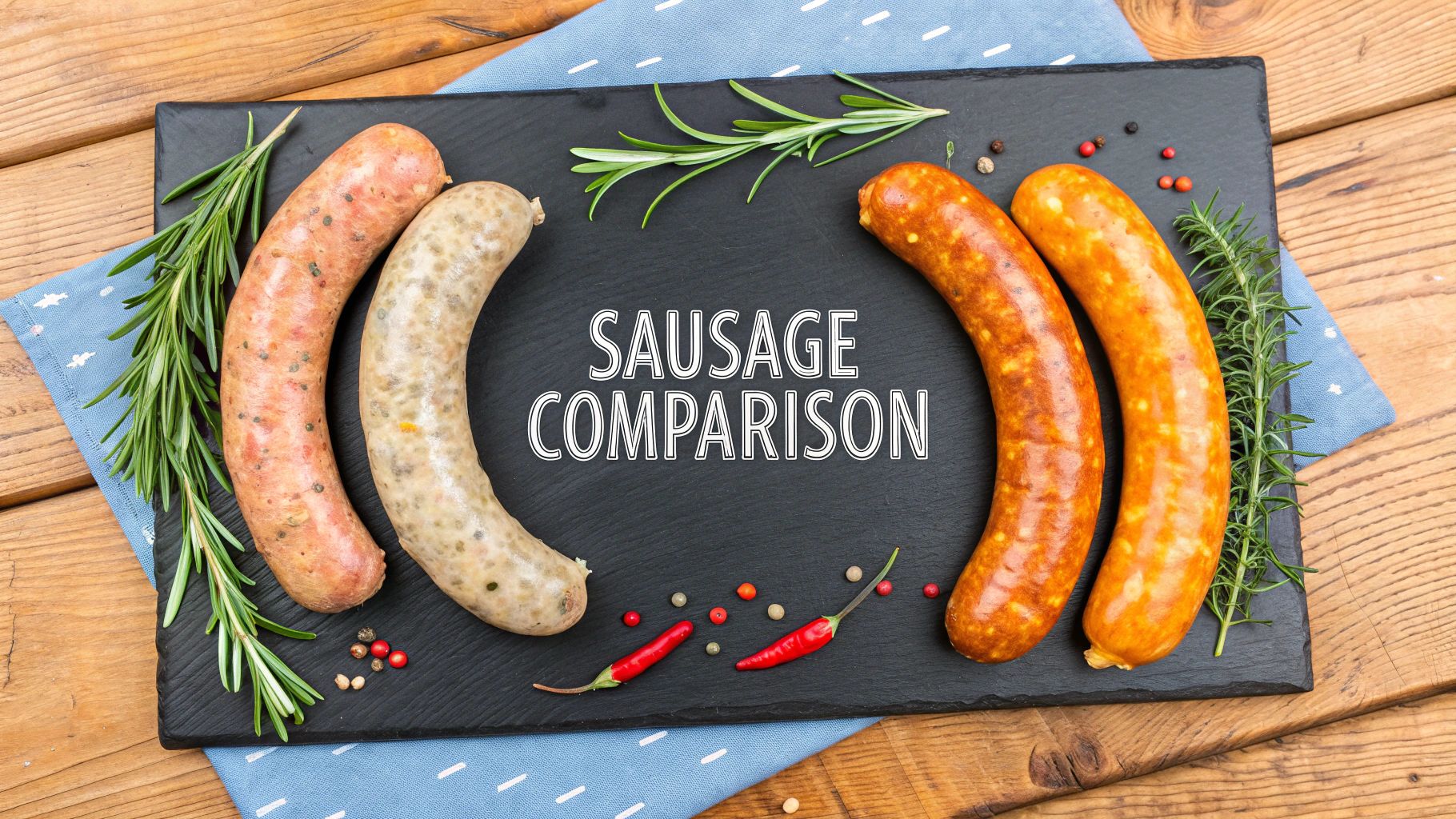
10 Kinds of Italian Sausage to Track and Compare
Alex the juice queen
Alex hunts for the best juice bars and presses. She rates every sip and saves her favorites in Savor.
Italian sausage isn't just one thing—it's a universe of regional traditions, spices, and stories packed into every link. For the curious food lover,...
Italian sausage isn't just one thing—it's a universe of regional traditions, spices, and stories packed into every link. For the curious food lover, telling them apart is more than a taste test. It's an act of memory-making. Whether you're comparing the subtle fennel in a Salsiccia Dolce or the fiery kick of a Calabrian Piccante, each bite is another entry in your personal flavor journey. This guide moves beyond simple descriptions to help you document your culinary discoveries.
We'll explore ten distinct kinds of Italian sausage, offering practical details on their unique ingredients, origins, and ideal preparations. Think of this as the first step in building your own private food diary, one delicious sausage at a time. The goal is to help you track tastes and share discoveries, creating a lasting chronicle of your palate's adventures. As you track Italian flavors, you might also be interested to explore other well-known Italian sausage products like pepperoni that share a similar cured heritage. This curated list will equip you with the knowledge to identify, appreciate, and cook each variety with confidence, turning every meal into a memorable story.
1. Luganega (Luganica)
Luganega, also known as luganica, is a fresh, mild pork sausage from Northern Italy. Its finely ground texture and delicate seasoning make it a perfect starting point for anyone building a food diary dedicated to Italian sausage. Traditionally sold in a single long coil rather than individual links, its appearance is as distinctive as its flavor, making it a fun first entry to document.
Key Characteristics & Regional Notes
Luganega’s profile is defined by simplicity and quality. The flavor is pork-forward, with subtle notes of salt, pepper, and sometimes nutmeg or garlic, allowing the meat to shine. This sausage is particularly associated with the Lombardy and Veneto regions.
- Origin: Northern Italy (Lombardy, Veneto, Friuli-Venezia Giulia).
- Flavor Profile: Mild, savory, and delicate with a very fine, smooth texture.
- Primary Ingredients: Finely ground pork, salt, black pepper, and minimal spices.
- Notable Example: The Luganega from Brescia in Lombardy is so integral to the region's culinary heritage that it has received special recognition.
Best Uses and Cooking Tips
This sausage’s mildness makes it incredibly versatile, especially in dishes where it can absorb other flavors without overpowering them. It excels when paired with classic Northern Italian staples.
Pro Tip: Prick the casing sparingly with a fork before cooking. This simple step releases steam, preventing the sausage from bursting while ensuring it cooks evenly and retains its juices.
For a perfect culinary memory, pan-fry or grill slices of luganega and serve it alongside creamy polenta or stir it into a classic risotto. Compare the grilled version (smoky, slightly crisper) against the pan-fried one (richer, more evenly browned) and log the textural differences in your Savor notes. This simple comparison is a great way to start tracking how cooking methods impact your favorite kinds of Italian sausage.
2. Salsiccia Piccante (Hot Italian Sausage)
Salsiccia Piccante, or Hot Italian Sausage, is a bold, spiced pork sausage hailing from Southern Italy. Its defining characteristic is the memorable heat from red chili peppers, making it a favorite for food enthusiasts tracking distinctive taste profiles. The fiery kick varies significantly by region and producer, offering a dynamic experience for any food diary dedicated to exploring the vibrant spectrum of Italian sausage.

Key Characteristics & Regional Notes
Salsiccia Piccante balances rich, savory pork with a pronounced, lingering heat. Its robust flavor is a hallmark of Southern Italian cuisine, where chiles (peperoncini) are a staple. The texture is often coarser than its northern counterparts, providing a satisfying chew that complements its assertive taste.
- Origin: Southern Italy (Calabria, Campania, Sicily).
- Flavor Profile: Savory, robustly porky, with a spicy heat ranging from moderate to intense.
- Primary Ingredients: Coarsely ground pork, salt, black pepper, and a generous amount of dried red chili flakes or powder.
- Notable Example: Salsiccia from Calabria is legendary for its intense, complex heat, often using locally grown Calabrian peperoncino.
Best Uses and Cooking Tips
This sausage’s powerful flavor makes it a star ingredient that can elevate simple dishes or stand on its own. It adds a welcome kick to pasta sauces, pizzas, and hearty stews. For a comforting meal, consider using it in a recipe for a hearty lentil and hot Italian turkey sausage stew.
Pro Tip: When tasting different kinds of Italian sausage, rate the heat level separately from the flavor profile in your Savor notes. This helps you track how your heat tolerance changes over time and better isolates the specific pork and spice notes.
Crumble and fry Salsiccia Piccante to top a Neapolitan-style pizza, an approach that showcases its fiery character against the backdrop of fresh mozzarella and tomato. Documenting this specific use is a great way to log how its spice interacts with other classic Italian flavors. You can even explore more about pizza in Naples to find other authentic pairing ideas.
3. Salsiccia Dolce (Sweet Italian Sausage)
Salsiccia Dolce, or sweet Italian sausage, is a fresh pork sausage cherished for its aromatic, savory-sweet profile. As a cornerstone of Italian-American cooking, it provides a crucial counterpoint to its spicy sibling, Salsiccia Piccante. Its signature flavor comes from a generous inclusion of fennel seeds and garlic, creating an approachable yet complex taste that is essential for any food diary comparing the sweet-savory spectrum of Italian cuisine.

Key Characteristics & Regional Notes
Salsiccia Dolce's identity is defined by the licorice-like warmth of fennel, balanced with savory pork and garlic. While called "sweet," the term refers to the absence of hot pepper rather than added sugar. This sausage is particularly popular in Central Italy and among Italian-American communities.
- Origin: Central Italy (Tuscany, Umbria), Italian-American culinary traditions.
- Flavor Profile: Aromatic, savory, and mildly sweet with a distinct fennel-forward taste.
- Primary Ingredients: Coarsely ground pork, fennel seeds, garlic, salt, and black pepper.
- Notable Example: Tuscan fennel sausage, known locally as finocchiona in its cured form, heavily influences the flavor profile of the fresh salsiccia found throughout the region.
Best Uses and Cooking Tips
This sausage’s versatile and fragrant profile makes it a star in pasta sauces, on pizzas, or simply grilled. It pairs beautifully with peppers, onions, and mild cheeses that complement its aromatic qualities without overwhelming them.
Pro Tip: When documenting your tastings, rate the fennel intensity separately from the overall sweetness. This helps you track how your palate perceives this key ingredient, as it varies significantly between different butchers and regions.
To build a detailed taste memory, create a side-by-side comparison in your Savor notes, tasting Salsiccia Dolce grilled (smoky, caramelized) versus braised in tomato sauce (soft, flavor-infused). Score each preparation to pinpoint how cooking methods transform one of the most beloved kinds of Italian sausage.
4. Luganega di Monza
Luganega di Monza is a prestigious fresh pork sausage from the Monza region of Lombardy, carrying a Protected Designation of Origin (PDO) status. This certification guarantees strict production standards and a verifiable geographic origin, making it a benchmark for quality. For a food enthusiast dedicated to tracking culinary experiences, this sausage offers a unique opportunity to document how certified origins directly impact flavor and texture.
Key Characteristics & Regional Notes
The defining feature of Luganega di Monza is its rigorous PDO specification, which mandates a specific recipe and process. It typically includes fresh pork, Grana Padano cheese, Marsala wine, and fresh meat broth, creating a richer and more complex flavor than standard luganega. This combination results in a sausage that is savory, slightly tangy from the cheese, and aromatic from the wine.
- Origin: Monza (Lombardy), Italy.
- Flavor Profile: Rich, savory, and complex with notes of cheese and wine; fine, tender texture.
- Primary Ingredients: Finely ground pork, Grana Padano PDO, Marsala wine, broth, salt, and pepper.
- Notable Example: Authentic Luganega di Monza from certified producers is the gold standard and can be found in premium Italian import shops.
Best Uses and Cooking Tips
Its sophisticated flavor profile makes this sausage a star ingredient rather than just a component. It shines in dishes where its unique taste can be appreciated, such as in a traditional Risotto alla Monzese.
Pro Tip: When documenting your tasting, create a 'Certified PDO Comparison' list in your Savor notes. Score Luganega di Monza as your reference point, then compare non-certified versions, noting the differences in richness and complexity.
To fully appreciate its PDO qualities, pan-fry it gently with a splash of white wine and serve it with a simple side of potatoes or polenta. Note the exact producer and batch date to track consistency. This methodical approach allows you to rate how the PDO standard translates to a consistently superior product across multiple purchases.
5. Salsiccia Toscana (Tuscan Sausage)
Salsiccia Toscana is a classic fresh sausage from Tuscany, celebrated for its rustic simplicity and pure pork flavor. Unlike many heavily seasoned kinds of Italian sausage, this variety uses a coarse grind and minimal adornment—typically just salt and black pepper—to let the quality of the meat take center stage. This makes it an invaluable benchmark for any food enthusiast dedicated to tracking variations in pork quality and texture.
Key Characteristics & Regional Notes
The defining feature of Salsiccia Toscana is its commitment to tradition and ingredient purity. The flavor is robustly pork-forward, with a satisfyingly coarse texture that provides a distinct, meaty bite. While salt and pepper are standard, some local recipes may include a small amount of garlic or even a splash of red wine.
- Origin: Tuscany, Central Italy.
- Flavor Profile: Meaty, savory, and straightforward with a coarse, chewy texture.
- Primary Ingredients: Coarsely ground pork, salt, and black pepper.
- Notable Example: True Salsiccia Toscana from a traditional norcino (pork butcher) in Florence or Siena provides the most authentic taste experience.
Best Uses and Cooking Tips
This sausage’s unadorned profile makes it incredibly versatile. It shines when grilled over charcoal, which enhances its savory notes, but it is equally exceptional when crumbled and cooked into a rich ragù for pasta or served alongside cannellini beans, a Tuscan staple.
Pro Tip: When documenting your tasting notes, score the pork quality separately from the preparation. This creates a powerful matrix in your Savor diary, helping you compare different butchers and identify the suppliers who consistently deliver the best product.
For a focused taste comparison, try the same producer's sausage grilled, pan-fried, and baked. Note the differences in texture and fat rendering. Use this simple, pure sausage as your control group when evaluating more complex, heavily spiced sausages, and log how the addition of other seasonings changes the overall experience.
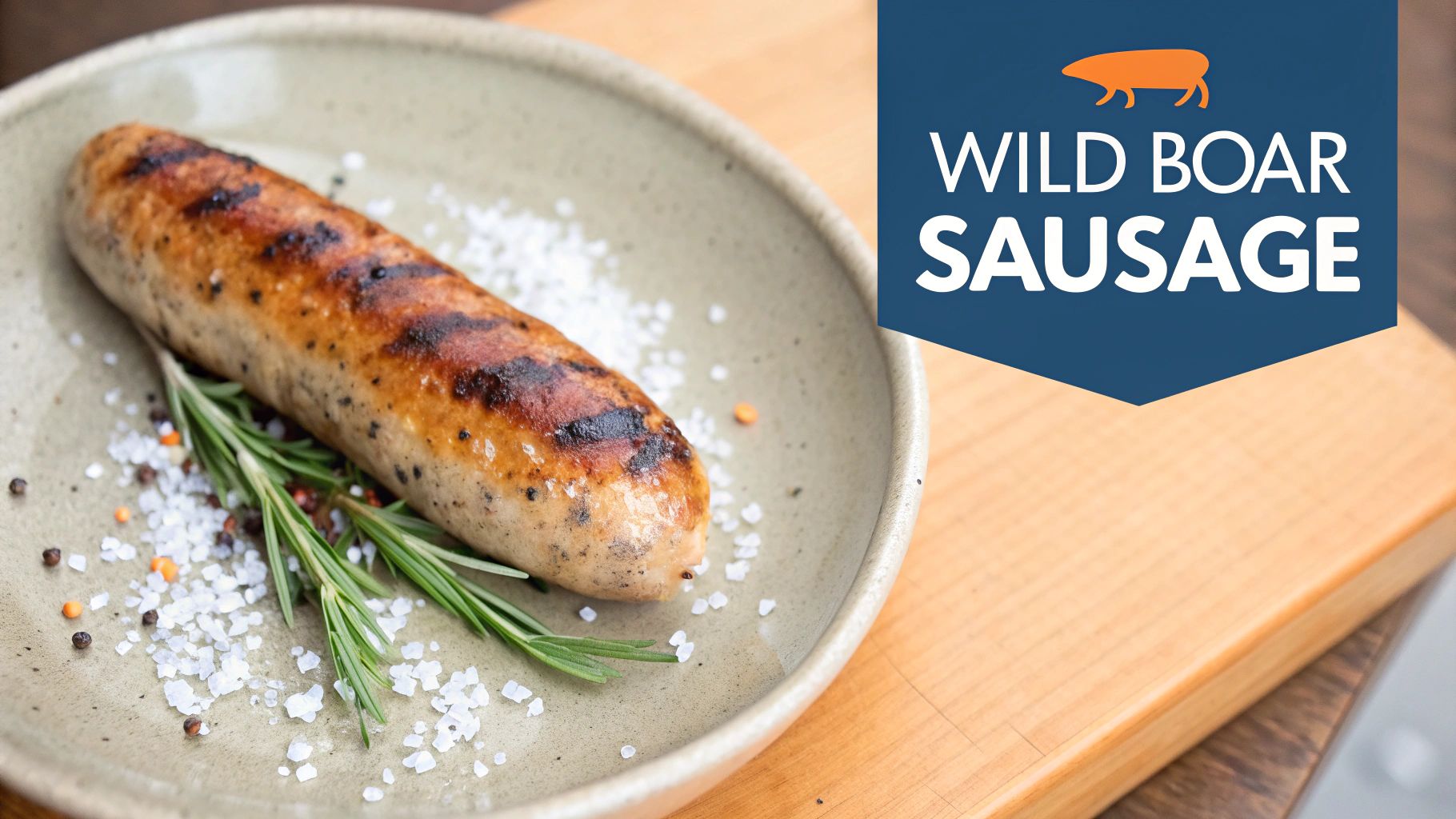
6. Salsiccia di Cinghiale (Wild Boar Sausage)
For the adventurous food explorer, Salsiccia di Cinghiale offers a distinct departure from traditional pork. This premium sausage, made from wild boar meat, delivers a rich, gamey, and complex flavor profile that is deeply rooted in the Italian countryside. Its robust taste provides a memorable flavor differentiation, making it a prized discovery for those tracking unique proteins and regional culinary treasures.
Key Characteristics & Regional Notes
Salsiccia di Cinghiale's character is defined by its lean, intensely flavorful meat. The gaminess is often balanced with red wine, juniper berries, or wild herbs like rosemary and fennel, creating a rustic and aromatic experience. This sausage is most commonly found in the forested regions of Central Italy, where wild boar hunting is a long-standing tradition.
- Origin: Central Italy (especially Tuscany, Umbria, and Lazio).
- Flavor Profile: Rich, gamey, and complex with earthy, sometimes sweet undertones. The texture is often coarser and leaner than pork sausage.
- Primary Ingredients: Wild boar meat, red wine, salt, black pepper, juniper berries, and local herbs.
- Notable Example: Salsiccia di Cinghiale from Tuscany is a celebrated delicacy, often showcasing the specific terroir through its unique blend of regional spices and wine.
Best Uses and Cooking Tips
The bold flavor of wild boar sausage shines in hearty, rustic dishes that can stand up to its intensity. It pairs exceptionally well with rich pasta sauces, polenta, and earthy vegetables like mushrooms or roasted root vegetables.
Pro Tip: Create a 'Premium Proteins' list in your Savor diary to track wild boar and other game sausages. Rate the 'gaminess intensity' on a scale of 1-5 to develop a personal preference scale and photograph these rare finds to document your culinary adventures.
To fully appreciate its unique character, grill the sausage whole or pan-sear thick slices to develop a deep, caramelized crust. Serve it alongside a bold red wine like Chianti Classico. Compare preparations from different regions, such as Tuscany versus Umbria, and log the variations in seasoning and texture in your notes to capture the nuances of these kinds of Italian sausage.
7. Salsiccia Siciliana (Sicilian Sausage)
Salsiccia Siciliana brings the bold, sunny flavors of Southern Italy to the forefront. This fresh pork sausage is a vibrant reflection of Sicily's unique culinary crossroads, often featuring aromatic fennel seeds and a kick of red chili pepper. Its complex, multi-layered profile offers an exceptional opportunity for detailed sensory note-taking, making it a standout for those dedicated to tracking distinct regional tastes.
Key Characteristics & Regional Notes
Sicilian sausage is defined by its robust and layered flavor profile, a departure from the milder sausages of the north. The use of wild fennel, chili, and sometimes red wine or even raisins creates a sweet, spicy, and herbaceous experience that is quintessentially Sicilian. The texture is typically coarse, allowing each ingredient to be distinctly tasted.
- Origin: Sicily (Southern Italy).
- Flavor Profile: Complex, savory, and often spicy with strong notes of fennel and a hint of sweetness.
- Primary Ingredients: Coarsely ground pork, fennel seeds (finocchietto), red chili flakes (peperoncino), salt, and black pepper.
- Notable Example: Catania-style sausage often includes cheese, while variations from Palermo might be simpler, focusing intensely on the fennel. If you're exploring Italian delis, many offer their own family recipes, passed down from Sicilian ancestors. Find inspiration and learn more about sourcing authentic Italian ingredients.
Best Uses and Cooking Tips
This sausage’s powerful flavor makes it a star ingredient. It is perfectly suited for grilling, pan-frying, or crumbling into hearty pasta sauces and rustic dishes where its bold character can shine.
Pro Tip: To fully appreciate its complexity, create detailed flavor notes in your Savor diary. Separately rate the intensity of the fennel, the level of spice from the chili, and any underlying sweetness. Comparing these notes across different producers can reveal fascinating regional nuances.
Grill whole links and serve them simply with crusty bread and a side of sautéed greens like rapini to balance the richness. For a more integrated dish, crumble the sausage and incorporate it into a classic Sicilian pasta, allowing the spices to infuse the entire meal. Document how the fennel's aroma changes between the grilled and pan-fried versions for a deeper culinary analysis.
8. Salsiccia di Fegato (Liver Sausage)
Salsiccia di Fegato is a bold, richly flavored sausage for the adventurous palate, originating from Italy's tradition of using the entire animal. This specialty is made with a mixture of pork liver and pork meat, creating a dense texture with distinctive mineral notes. It’s an essential variety for food explorers documenting their journey into offal, offering a powerful taste experience that varies significantly by region.
Key Characteristics & Regional Notes
This sausage’s identity is defined by the prominent, earthy flavor of liver, balanced by the richness of pork fat and simple seasonings. The ratio of liver to meat is the most significant variable, directly impacting its intensity. It is a cherished product in many parts of Central and Northern Italy, particularly where peasant cuisine traditions remain strong.
- Origin: Central and Northern Italy (Tuscany, Emilia-Romagna, Piedmont).
- Flavor Profile: Rich, intense, and earthy with strong mineral notes and a soft, spreadable texture.
- Primary Ingredients: Pork liver, pork meat, pork fat, salt, pepper, garlic, and regional spices like nutmeg or fennel.
- Notable Example: Tuscan liver sausage often includes specific spices that complement the gamey flavor, making it a regional delicacy frequently served on toasted bread.
Best Uses and Cooking Tips
Salsiccia di Fegato shines in simple preparations that allow its potent flavor to take center stage. It is typically cooked, which mellows its intensity and enhances its savory depth.
Pro Tip: When documenting this unique sausage in your food diary, rate the 'intensity of mineral/iron notes' on a separate scale. This helps you map your comfort zone with organ meats and track how your palate adapts over time.
For an authentic experience, try it crumbled into a hearty pasta sauce or pan-fried and spread over rustic, toasted crostini. Comparing a version with a high liver ratio to one with a lower ratio is a great exercise. Log in your Savor notes how the texture and flavor change with the proportion, helping you identify your ideal balance in these kinds of Italian sausage.
9. Salsiccia di Melanzane (Eggplant Sausage)
A contemporary addition to the world of Italian sausages, Salsiccia di Melanzane is a plant-forward variation that uses eggplant as its star ingredient. This modern creation caters to wellness-minded eaters and those exploring plant-based cuisine, offering a unique way to track how vegetable-based sausages compare to traditional pork versions. Its development marks a fascinating evolution in Italian culinary traditions.
Key Characteristics & Regional Notes
Unlike its meat-based counterparts, eggplant sausage is defined by its earthy, slightly smoky flavor and tender, hearty texture. It swaps pork for roasted or grilled eggplant, often combined with breadcrumbs, herbs, and cheese or vegan binders to achieve a sausage-like consistency. While it has no specific regional origin, it is most common in modern Italian restaurants that prioritize vegetarian offerings.
- Origin: Contemporary Italy; popularized by the modern plant-based food movement.
- Flavor Profile: Earthy, savory, and herbaceous with a soft yet substantial bite.
- Primary Ingredients: Eggplant, breadcrumbs, garlic, parsley, Pecorino or Parmesan cheese (or a vegan alternative).
- Notable Example: Found in specialty health food markets and on the menus of progressive Italian eateries focused on creative, vegetable-centric dishes.
Best Uses and Cooking Tips
This sausage’s delicate structure requires gentle cooking methods like baking or light pan-frying. It shines in dishes where its unique texture and flavor can be the centerpiece, offering a lighter alternative in classic preparations.
Pro Tip: Create a separate 'Plant-Based Proteins' list in your Savor diary. When you log Salsiccia di Melanzane, rate the 'eggplant intensity' and 'vegetable flavor balance' on separate scales to capture its unique qualities.
For a memorable meal, try baked eggplant sausage served with a vibrant tomato sauce and fresh basil. Compare this to a pan-fried version served over pasta, and note in your food diary how the cooking method affects its texture and moisture. This is an excellent way to document your journey into plant-based Italian cooking.
10. Salsiccia Affumicata (Smoked Italian Sausage)
Salsiccia affumicata represents a captivating evolution of fresh sausage, where curing and smoking impart deep, complex flavors. This variety transforms the familiar taste of pork through preservation, adding layers of smokiness that range from subtle to robust. Its shelf-stable nature makes it an excellent companion for travelers and a fascinating subject for any food diary dedicated to exploring how different preparations alter core ingredients.
Key Characteristics & Regional Notes
Salsiccia affumicata's profile is defined by the type of wood used for smoking and the specific curing recipe. The process creates a firmer texture and a concentrated, savory flavor that lingers on the palate. This style is especially prominent in Northern Italy, where cooler climates and historical influences from neighboring Germanic cultures shaped preservation techniques.
- Origin: Primarily Northern Italy (Piedmont, Lombardy, Alpine regions) and areas with German-Austrian influence.
- Flavor Profile: Smoky, savory, and intense with a firm, dense texture. Flavors vary based on the smoking wood (beech, oak, juniper).
- Primary Ingredients: Coarsely ground pork, salt, pepper, garlic, and regional spices, followed by a curing and smoking process.
- Notable Example: Smoked sausages from the Alto Adige region often blend Italian and Austrian traditions, creating truly unique flavor profiles.
Best Uses and Cooking Tips
This sausage is ready to eat but also shines when gently heated to release its aromatic oils. It is a fantastic addition to rustic pasta dishes, bean soups, or served thinly sliced on a charcuterie board. Exploring the full list of cured meats can provide even more context for your taste comparisons.
Pro Tip: Create a 'Cured & Smoked' comparison list in your Savor notes. Document the wood type (if known) and rate the "smoke intensity" on a scale of 1-5. This builds a personal preference scale and helps you identify your favorite profiles.
For an insightful comparison, track a fresh sausage and its smoked counterpart from the same producer. Note the differences in texture, saltiness, and aroma to fully appreciate the art of smoking. This is a great way to log how one of the most ancient kinds of Italian sausage preservation methods creates a completely new culinary experience.
Comparing 10 Italian Sausage Varieties
| Sausage Variety | Primary Flavor | Common Use Cases | Key Takeaway for Tracking |
|---|---|---|---|
| Luganega (Luganica) | Mild, delicate pork | Grilling, risotto, polenta | Establishes a baseline for mild sausage profiles. |
| Salsiccia Piccante (Hot) | Spicy, robust pork | Pasta sauces, pizza topping | Great for rating heat levels separately from flavor. |
| Salsiccia Dolce (Sweet) | Fennel-forward, savory | Grilled with peppers, pasta | Perfect for documenting fennel intensity. |
| Luganega di Monza | Rich, cheesy, savory | Risotto, pan-fried | An ideal benchmark for PDO/certified products. |
| Salsiccia Toscana | Pure pork, black pepper | Grilling, ragù sauces | Allows you to focus on tracking pork quality and texture. |
| Salsiccia di Cinghiale | Gamey, rich, earthy | Hearty stews, polenta | Excellent for a "premium proteins" or game meat list. |
| Salsiccia Siciliana | Complex, spicy, sweet | Grilling, pasta dishes | Offers multiple flavor notes to track (fennel, chili, etc.). |
| Salsiccia di Fegato | Intense, earthy, mineral | Crostini, pasta sauces | Helps you track and develop your palate for offal. |
| Salsiccia di Melanzane | Earthy, herbaceous | Baking, light pan-frying | Starts your journey into plant-based sausage comparisons. |
| Salsiccia Affumicata | Smoky, savory, intense | Charcuterie, soups, pasta | Ideal for tracking how curing/smoking transforms flavor. |
Build Your Own Flavor Library
Our journey through the diverse world of Italian sausage reveals a landscape rich with regional history, distinct spice profiles, and culinary creativity. From the coiled Luganega perfect for grilling to the fiery Salsiccia Piccante, each variety offers a unique sensory experience. We’ve explored how sweet fennel distinguishes Salsiccia Dolce, how wild boar imparts a rustic depth, and how even vegetables can star in a clever plant-forward sausage.
The real value in understanding these kinds of Italian sausage lies not just in identifying them, but in building a personal catalog of flavors, textures, and memories. Think of it as developing your own internal flavor library, one that grows with every meal and every new discovery.
Turning Knowledge into Actionable Taste Insights
Mastering these varieties moves you beyond simply following a recipe. It empowers you to make intentional, creative choices in the kitchen. Here are the key takeaways to put into practice:
- Substitution with Strategy: Knowing that Salsiccia Toscana is defined by its simple salt-and-pepper profile allows you to substitute it confidently when you want a less herbaceous, more pork-forward flavor. Conversely, you can now choose Salsiccia Siciliana to add a surprising, bright complexity.
- Pairing Like an Expert: Your newfound knowledge unlocks more sophisticated pairings. The smoky notes of Salsiccia Affumicata beg for a robust red wine or a creamy polenta. The rich, earthy Salsiccia di Fegato, on the other hand, pairs beautifully with the acidity of pickled vegetables or a sharp, aged cheese.
- Tracking Your Palate's Journey: The most rewarding part of this exploration is documenting your personal preferences. Perhaps you discover a love for the anise notes in sausages from the North, or you find yourself consistently drawn to the sun-drenched flavors of the South. Tracking these discoveries helps you understand your own palate and makes you a more confident cook.
Your food memories are a personal story. By actively documenting your experiences with different kinds of Italian sausage, you transform fleeting meals into a lasting narrative of your culinary journey.
This process of tasting, comparing, and chronicling is what separates a passive eater from an active culinary explorer. Each sausage you try is another data point, another chapter in your unique food story. Start by creating a simple comparison list: note the brand, the region, and your immediate impressions. Did the fennel in one Salsiccia Dolce overpower the pork? Was the heat in a Salsiccia Piccante a slow burn or an immediate fire? These details are the building blocks of true expertise.
Ready to turn your taste tests into a permanent, shareable library? Savor is a private food diary for people who want to track every discovery, compare dishes, and build a personal record of their culinary adventures. Catalog the nuances of each Italian sausage you try and start building your flavor story today. Rate like a critic, but keep the memories for yourself. Find out more at Savor.
Continue Reading
Start Tracking Your Dishes Today
Transform your food photos into a searchable, ratable culinary memory bank.
Download Savor App