
Your Essential Guide to the Best Food in Lebanon
Alex the juice queen
Alex hunts for the best juice bars and presses. She rates every sip and saves her favorites in Savor.
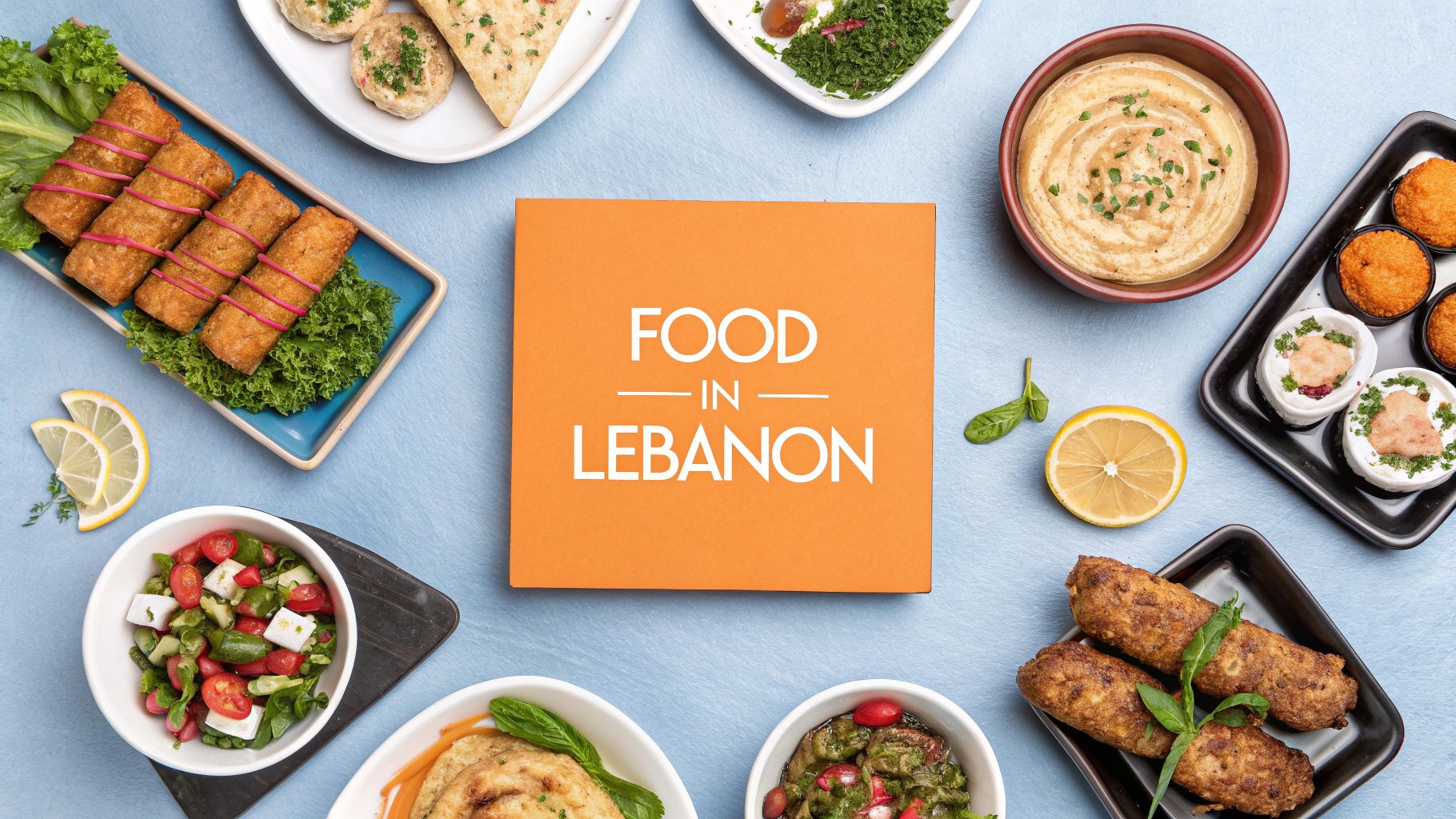
Picture a table so laden with small, colorful plates it’s hard to see the wood underneath. There are vibrant salads, impossibly creamy dips, skewers of...
Picture a table so laden with small, colorful plates it’s hard to see the wood underneath. There are vibrant salads, impossibly creamy dips, skewers of perfectly charred meat, and warm, pillowy bread just waiting to be torn apart. This isn’t a special occasion; this is the heart of food in Lebanon.
Lebanese cuisine is a celebration of fresh ingredients and communal sharing, built on flavors that have been passed down through countless generations. Familiar names like Tabbouleh, Hummus, and Kibbeh are just the first step into a culinary world that’s as rich and layered as the country's history.
Exploring the Heart of Lebanese Cuisine
The story of food in Lebanon is a story of history and geography converging on a single plate. Tucked into the Levant, the country’s cuisine is a beautiful mosaic of Ottoman, French, and ancient Phoenician influences, all grounded in the fresh, sun-drenched bounty of the Mediterranean. Food here isn't just fuel; it's a social ritual, a passionate expression of hospitality, and a fierce source of national pride.
From the buzzing streets of Beirut to quiet mountain villages, every meal is an event. The foundation is built on uncompromisingly fresh, high-quality ingredients. Lemons, garlic, olive oil, and handfuls of fresh mint and parsley form the backbone of dish after dish, creating flavors that are bright, complex, and deeply satisfying without ever feeling heavy.
What Defines the Lebanese Palate
To really get Lebanese food, you have to appreciate its core building blocks. The cuisine is a masterclass in balancing different taste profiles to create harmony in every single bite. You’ll find common threads everywhere—the sharp tang of lemon, the nutty richness of tahini, the subtle smokiness of grilled eggplant. For a deeper look at how these elements work together, you can explore our guide on what are the five basic tastes to help you pinpoint exactly what you’re tasting.
There are a few key principles that make Lebanese food so distinct:
- Freshness Is Everything: Salads like Tabbouleh and Fattoush are never an afterthought. They are vibrant centerpieces, celebrated for their crisp textures and bright, clean ingredients.
- The Art of Mezze: This is the famous array of small hot and cold dishes designed for sharing. A meal built around mezze isn't just a meal; it's a long, conversational gathering that can last for hours.
- Charcoal Grilling: The technique of grilling meats (Mashawi) and even vegetables over open charcoal imparts a signature smoky flavor that is central to many main courses. It’s a taste you’ll come to crave.
- Generous Use of Herbs: Parsley, mint, and thyme (za'atar) are used in abundance, not as a delicate garnish but as primary flavor agents that define a dish.
A cookbook can be a time capsule, preserving recipes that are fading in popularity but were once a monumental part of the culinary culture. This act of documentation becomes a form of resistance against erasure, ensuring that traditional flavors and stories are passed down.
Before diving into a full Lebanese spread, it helps to have a quick cheat sheet of the icons. These are the dishes you'll see on almost every menu, each offering a distinct taste of the country's culinary soul.
Iconic Lebanese Dishes at a Glance
| Dish Name | Category | Key Ingredients | Tasting Notes |
|---|---|---|---|
| Hummus | Mezze (Dip) | Chickpeas, tahini, lemon juice, garlic | Creamy, nutty, and tangy. The gold standard of dips. |
| Tabbouleh | Mezze (Salad) | Parsley, bulgur, tomatoes, mint, onion, lemon juice | Incredibly fresh, zesty, and herb-forward. More of a parsley salad than a grain salad. |
| Kibbeh | Mezze/Main | Bulgur, minced onions, ground meat (often lamb) | A savory, spiced shell with a rich meat filling. Can be fried, baked, or even raw. |
| Fattoush | Mezze (Salad) | Mixed greens, fried pita bread, sumac, vegetables | A crunchy, tangy salad with a bright, citrusy dressing from the sumac. |
| Manakish | Breakfast/Street Food | Flatbread, za'atar (thyme blend), cheese, or meat | Lebanon’s answer to pizza. Chewy, savory, and utterly addictive. |
| Baklava | Dessert | Phyllo dough, nuts (pistachios or walnuts), honey syrup | Sweet, flaky, and rich. Layers of crispy pastry soaked in a fragrant simple syrup. |
This table is just your starting point. The real adventure is in tasting the subtle differences from one kitchen to the next—the precise herb blend in a Tabbouleh or the texture of a freshly fried Kibbeh.
Capturing these fleeting details is part of the fun. Using a private food diary like Savor lets you track tastes, share discoveries on your own terms. Imagine creating a personal, searchable log of every version of hummus you try in Beirut, rating each one to find your absolute favorite. This turns your culinary journey into a collection of treasured memories, ready to be revisited long after you've taken the last bite.
The Art of Mezze and Communal Dining
In Lebanon, a meal rarely starts with a single appetizer. Instead, it unfolds as an unhurried, elaborate ritual known as mezze. This isn't just a collection of small plates; it's the very soul of Lebanese dining—a vibrant, communal experience built around sharing, conversation, and savoring dozens of distinct flavors at a leisurely pace. Mezze transforms the dinner table into a sprawling mosaic of tastes and textures, inviting everyone to dip, scoop, and connect.
The journey typically begins with the cold mezze, the foundational dishes that set the tone for everything to come. Think of the iconic dips like creamy Hummus, a masterful blend of chickpeas and tahini, or its smoky counterpart, Moutabal (often called Baba Ghanoush), made from fire-roasted eggplants. Alongside them, you’ll always find refreshing, herb-forward salads like Tabbouleh and the crunchy, sumac-dusted Fattoush, which cut through the richness with a bright, zesty counterpoint.
The Classics of Cold Mezze
The real beauty of cold mezze lies in its fresh simplicity. Each dish is designed to be scooped up with warm, pillowy pita bread, creating that perfect, harmonious bite every single time. This part of the meal is a true celebration of vegetables, legumes, and glorious olive oil.
- Hummus Beiruti: A spicier, more garlicky version of the classic, often packed with fresh parsley and tomatoes for an extra kick.
- Warak Enab: Tender grape leaves meticulously rolled and stuffed with a fragrant mix of rice, tomatoes, and herbs, then slowly simmered in lemon juice and olive oil.
- Labneh: A thick, strained yogurt with a consistency somewhere between cream cheese and Greek yogurt, typically drizzled with olive oil and sprinkled with za'atar or mint.
- Muhammara: A rich, slightly spicy dip made from roasted red peppers, walnuts, and pomegranate molasses, hitting a perfect balance of sweet, tangy, and nutty flavors.
This visual guide shows just how central mezze is to the structure of Lebanese cuisine, forming a major category of shared dishes that branch out into countless individual plates.

The diagram makes it clear: mezze isn't just one type of food. It's a massive, foundational category that showcases its central role in the entire dining experience.
Transitioning to Hot Mezze
Just as the conversation deepens and the table settles in, the hot mezze arrives. This second wave brings a whole new set of savory, comforting aromas to the table. These dishes are typically fried or baked, offering a heartier contrast to their cold counterparts. This is where you find the crispy pastries, savory bites, and spiced meats that add another layer to the culinary tapestry.
Popular hot mezze selections you can't miss include:
- Rakakat bil Jibneh (Cheese Rolls): Delicate, cigar-shaped pastries filled with a blend of cheeses and herbs, fried until golden and irresistibly crispy.
- Fried Kibbeh: A quintessential Lebanese favorite. These oval-shaped croquettes have a crispy outer shell made from bulgur wheat and minced meat, encasing a warm, spiced filling of ground meat and pine nuts.
- Batata Harra: Literally "spicy potatoes," these are cubes of potato fried and then tossed with garlic, cilantro, and chili for a flavorful, addictive side dish.
- Sujuk or Makanek: Spiced sausages that are pan-fried, often finished with a squeeze of lemon juice or a drizzle of pomegranate molasses, delivering a burst of bold, savory flavor.
The real magic of mezze isn't just in the food itself, but in the communal act of sharing. It forces you to slow down, encourages interaction, and turns a simple meal into a collective memory. It’s a tradition where the connection between people is just as important as the food on the table.
For a true food lover, documenting the nuances of each mezze plate can become a fascinating project. Imagine using a food memory database like Savor to create a "Beirut Mezze Showdown" list. You could use its scoring system to compare five different versions of hummus side-by-side, noting the creaminess, tahini balance, and lemon tang of each one. This lets you rate like a critic and build a personal database of the absolute best food in Lebanon, ensuring you never forget that perfect bite.
Discovering Main Courses and Grilled Delights
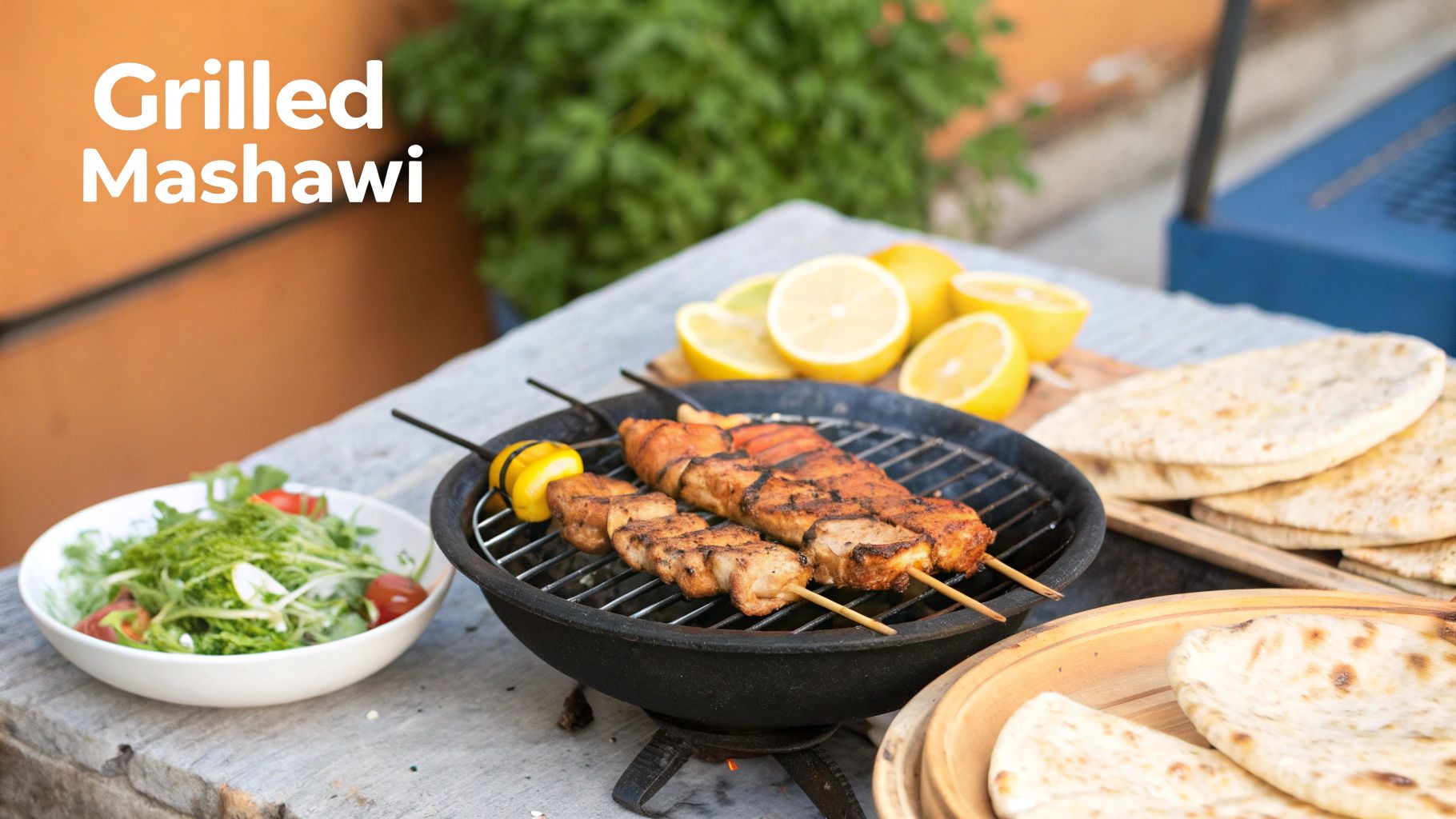
While the endless parade of mezze is a spectacle in itself, the main courses are where you find the true heart of a Lebanese meal. This is where the charcoal grill takes center stage, filling the air with the unmistakable aroma of Mashawi, the collective term for all things grilled.
Think of it as the soul of the cuisine. The sizzle of meat hitting a hot grill, the smoke carrying whispers of garlic and seven-spice—it's a sensory experience long before the platter ever reaches your table. It’s a testament to the Lebanese mastery of cooking over an open flame, a technique that imparts a distinct smokiness you just can’t get from a kitchen stove.
The Stars of the Grill
Two skewers reign supreme in the world of Mashawi: Shish Tawook and Kafta. They might look similar, but their flavor profiles are worlds apart, showcasing the sheer versatility of Lebanese marinades.
- Shish Tawook: These are tender cubes of chicken bathed in a vibrant mix of yogurt, lemon juice, garlic, and tomato paste. The yogurt is the secret weapon here; it tenderizes the chicken until it’s unbelievably juicy and helps create a beautiful char on the grill. The result is tangy, succulent, and impossibly tender.
- Kafta: This is minced lamb or beef, kneaded with finely chopped parsley, onions, and a blend of spices before being molded onto skewers. Grilling brings out its savory, herbaceous flavor, making it the perfect partner for a generous dollop of hummus or toum (that potent garlic sauce).
But it's not all about the grill. Some of the most beloved mains offer a different kind of comfort entirely. Take Kibbeh Bil Laban, a dish that feels like a warm hug in a bowl. It takes the classic fried kibbeh croquettes and simmers them in a warm, tangy yogurt sauce flecked with mint. It's the kind of home-style cooking that nourishes the soul.
Documenting Authenticity Amid Economic Realities
Lebanon's food has long been a culinary beacon in the Middle East, with its iconic dishes finding fans from New York to Paris. But behind this global appeal lies a tough economic reality. The country's food production sector, valued at $2.2 billion in 2021, is projected to completely stagnate, remaining at that same level by 2026.
This trend is expected to place Lebanon at 99th in global food production rankings, highlighting a quiet struggle to source authentic ingredients amidst serious headwinds. You can learn more about the economic outlook of Lebanon's food sector.
For a food traveler, this context adds a new layer of meaning to every meal. Documenting a truly exceptional dish isn't just about creating a memory; it’s about capturing a taste of authenticity that is becoming increasingly precious.
This is where a personal food diary becomes an invaluable tool. Using an app like Savor, you become your own culinary archivist. Imagine logging a perfectly grilled kafta from a tiny, family-run spot in a mountain village, noting its specific spice blend and texture. Later, you can compare it to another version you try in Beirut or even back home.
This lets you compare plates side-by-side, no matter the time or distance. By assigning your own scores and adding detailed notes, you can track tastes and build a personal, reliable database of what authentic food in Lebanon really means to you. Your journey transforms from a series of meals into a meaningful chronicle of flavors, helping you remember and truly appreciate the craft behind every single plate.
A Guide to Lebanese Street Food Favorites
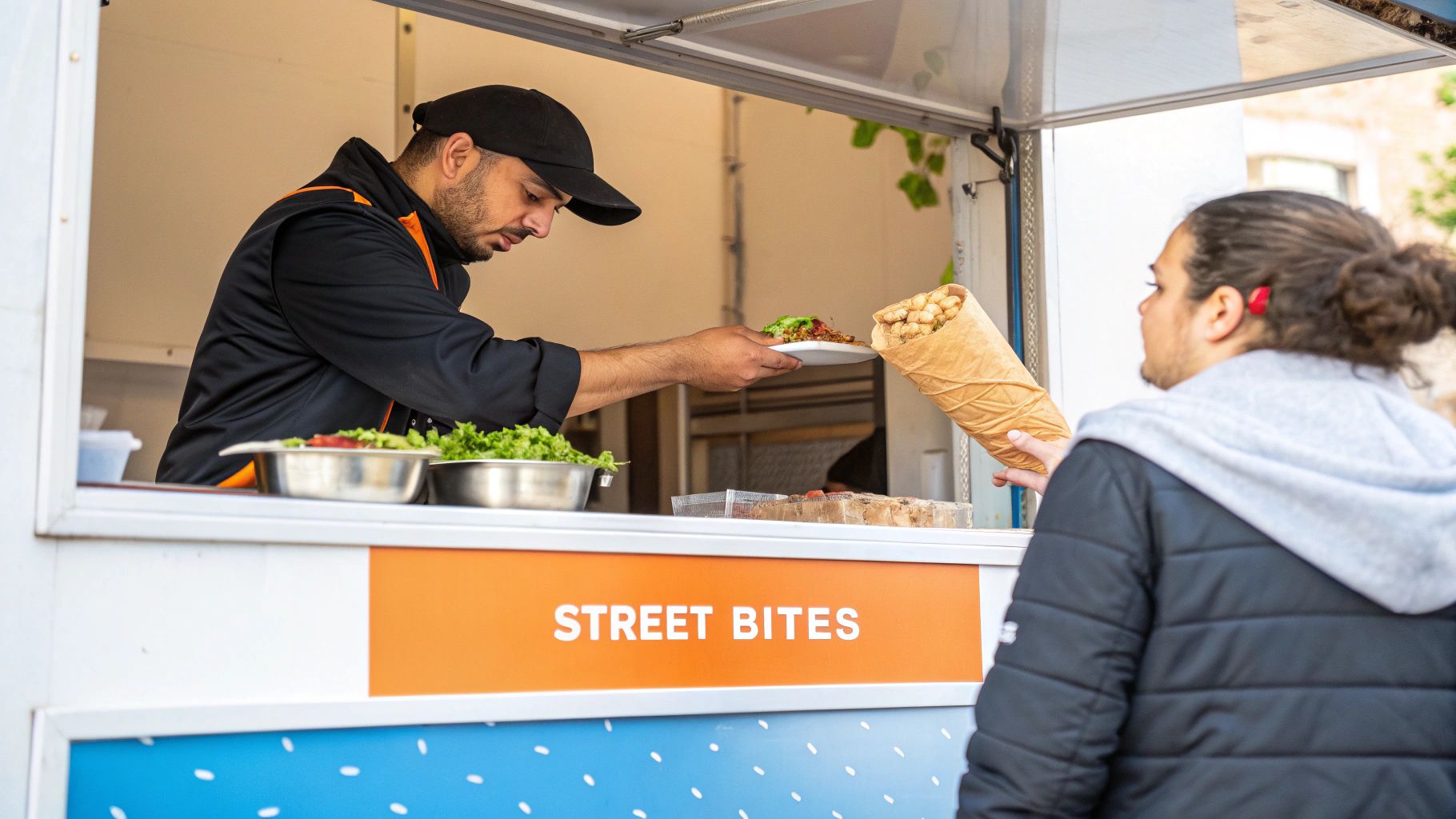
If you want to feel the real pulse of Lebanon, you have to hit the streets. That’s where the country’s culinary heart beats the loudest—in the sizzle of a shawarma spit, the aroma of fresh dough baking in a corner oven, and the friendly chaos of ordering from a packed street-side vendor. Street food here isn't a novelty; it’s an essential, delicious, and affordable part of daily life.
Forget sitting down for a long, leisurely meal for a moment. This is all about fast, satisfying bites that pack an incredible punch of flavor. From an early morning breakfast to a late-night snack, the streets offer a culinary journey all their own, defined by a few iconic staples that everyone, locals and visitors alike, absolutely adores.
The Unmissable Icons of the Street
At the very top of any Lebanese street food list has to be Manakish (the plural of man’ousheh), which is the nation’s beloved answer to pizza. This simple, versatile flatbread is the undisputed champion of breakfast, typically topped with a fragrant blend of za’atar (thyme, sumac, and sesame seeds) and a generous slick of olive oil. You'll also find popular versions slathered with salty akkawi cheese or spiced minced lamb (lahm b'ajin).
Then there's the legendary Shawarma. You'll see it everywhere: thinly sliced, marinated chicken or beef stacked on a vertical rotisserie, slow-roasted for hours until perfectly tender. It’s shaved off into warm pita bread and usually stuffed with pickles, tomatoes, and a heavy smear of potent garlic sauce (toum) for chicken or a tangy tahini sauce (tarator) for beef.
You also can’t walk more than a block without finding a vendor selling crispy, golden-brown Falafel. These fried chickpea or fava bean patties are tucked into a sandwich with fresh parsley, pickled turnips, tomatoes, and a drizzle of tarator sauce. It's a plant-based masterpiece that proves simple ingredients can create something truly extraordinary. This kind of vibrant, essential street food culture isn't unique to Lebanon; you can see a similar energy in our guide to the best street food in Singapore, where food stalls are also the backbone of the local cuisine.
Turning Your Food Crawl into a Curated Adventure
The real fun of exploring Lebanese street food is in the discovery—finding that one tiny shop that makes the crispiest falafel or the juiciest shawarma. But with so many options, how do you remember which one was truly the best? This is where documenting your journey becomes a complete game-changer.
Street food is an immediate, unfiltered connection to a place's culture. It’s food without pretense, served with a side of local character. Capturing these moments is like creating a personal map of a city's true flavors.
Using a dish rating app like Savor, you can turn a simple food crawl into a curated, data-driven adventure. Imagine creating a "Top 5 Shawarma Spots in Beirut" list right on your phone, built from your own experiences.
- Snap & Score: Take a quick photo of each shawarma wrap as you try it.
- Rate Like a Critic: Use the smart scoring system to rate it on a 1-10 scale based on flavor, texture, and juiciness.
- Add Quick Notes: Jot down what made it special. Was it the extra-garlicky toum, the perfectly toasted bread, or the unique spice blend?
- Compare & Decide: Once you’ve tried a few, pull up your list to see a side-by-side comparison. Your own data will reveal the undisputed winner.
This simple process turns fleeting bites into a lasting, searchable chronicle. You’re not just eating; you’re building a personal, trustworthy guide to the best food in Lebanon, one delicious discovery at a time. The next time a friend asks for a recommendation, you won't have to guess—you'll have the list ready to share.
Sweet Endings with Lebanese Desserts and Drinks
No trip through Lebanon’s culinary landscape is truly finished until you’ve experienced its sweets and traditional drinks. This isn't just an afterthought; the final course is a celebrated ritual, a moment defined by poetic flavors like rosewater, orange blossom, and toasted pistachios. It’s where masterful technique meets pure indulgence, offering the perfect, sweet counterpoint to a savory meal.
The undisputed star of the show is Baklava. Think paper-thin layers of filo, meticulously stacked, filled with finely chopped pistachios or walnuts, and then drenched in a fragrant sugar syrup. Close behind is Knafeh, a warm, gooey dessert that’s pure comfort. It’s a layer of soft, stretchy cheese topped with a crunchy semolina crust, all soaked in that same sweet syrup. Utterly unforgettable.
Iconic Desserts and Traditional Beverages
Once you get past the headliners, you’ll find the world of Lebanese sweets is incredibly deep and diverse. From creamy, delicate puddings to syrup-soaked cakes, each one offers a unique taste of the local palate.
- Ma'amoul: These aren't just cookies; they're little works of art. Delicate shortbread pastries are stuffed with dates, pistachios, or walnuts and pressed into ornate wooden molds, traditionally made for holidays like Easter and Eid.
- Layali Lubnan: The name translates to "Lebanese Nights," and it’s as romantic as it sounds. This is a simple, elegant semolina pudding, chilled and topped with a thick layer of clotted cream (ashta), a generous sprinkle of pistachios, and a final drizzle of syrup.
- Halawet el Jibn: Imagine sweet cheese rolls. A soft, pliable cheese dough is stuffed with clotted cream, rolled into logs, and garnished with—you guessed it—more pistachios.
To wash it all down, Lebanon has its own set of traditional drinks. Arak, the national spirit, is a potent anise-flavored liqueur that turns a beautiful milky white when you add water and ice. For a non-alcoholic option, Jallab is a deeply refreshing drink made from dates, rosewater, and grape molasses, often served over ice with a handful of pine nuts and raisins. And after a rich meal, you might also explore some delightful sorbet options.

Tracking Sweet Discoveries with Context
Documenting these sweet moments takes on a deeper meaning when you consider Lebanon's volatile economic climate. Food inflation has been a painful rollercoaster, hitting a staggering peak of 483.153% year-over-year in January 2022. This instability is a direct result of a currency collapse that has turned even basic ingredients into luxuries for many. While prices have shifted since, this reality adds weight to why logging a dish matters. That unforgettable Knafeh you rated a 9/10 in Beirut might cost dramatically more on your next visit. You can learn more about Lebanon's food price trends on ceicdata.com.
Creating a dedicated "Lebanese Desserts" list in a food diary like Savor allows you to capture these fleeting moments with precision. You can compare Knafeh from different bakeries or note the perfect Arak pairing for your mezze.
This simple act transforms your sweet tooth into a curated collection of memories. You can rate like a critic, noting the perfect syrup-to-pastry ratio in a baklava or the exact creaminess of a Halawet el Jibn. Your personal, private log helps you remember every delicious detail long after the trip is over, creating a priceless record of your sweet discoveries.
Practical Tips for Your Culinary Journey
Navigating the dining scene in Lebanon is a joy, but a few local insights can make it that much richer. The single most important rule? Embrace sharing. Mezze is designed for a communal table, so ordering a spread for everyone to dig into isn't just encouraged—it's the entire point. Don't be shy about reaching across the table to scoop up some hummus or snag another cheese roll. That’s how it’s done.
And when you're looking for the real deal, don't just stick to the main tourist drags. Some of the best food in Lebanon is tucked away in small, family-run spots or at bustling neighborhood bakeries. Your best bet is to ask a local where they go for manakish or shawarma; their recommendation will almost always lead you to a meal you won't forget.
Catering to Every Palate
One of the most welcoming things about Lebanese food is how naturally it accommodates different diets. Thanks to the whole mezze tradition, vegetarians and vegans will find themselves with an incredible number of delicious options. A meal built entirely from plant-based dishes isn't just possible; it’s common and deeply satisfying.
- For Vegetarians: Staples like hummus, moutabal, tabbouleh, fattoush, rakakat (cheese rolls), and batata harra are on every menu.
- For Vegans: Most cold mezze are already vegan. Just double-check that dishes like warak enab (stuffed grape leaves) or fasolia (bean stew) are made without meat stock.
This focus on fresh produce makes it easy for everyone to join the feast. You could even use a tool like Savor to build your own dedicated "Top Vegan Mezze in Beirut" list, using a food finding app to log and compare your plant-based discoveries across the city.
Traveling with Awareness
While you explore Lebanon's incredible food, it's also important to travel with an awareness of the current local context. The country has been navigating some serious turmoil, and food insecurity has become a real challenge, gripping about 1.17 million people—that's one in five residents. Projections show this number could climb to 1.24 million by October 2025 due to economic pressures and damage to farms that has slashed harvests. You can find more details on this in a report on food insecurity in Lebanon from WFP.org.
This reality highlights why dish-centric journaling is so vital. When you capture the fleeting crunch of a perfect falafel in Tripoli, you’re not just saving a memory; you’re preserving a taste of a place’s resilience and culinary heritage during a challenging time.
Your journey is a story waiting to be told. Use Savor to create your 'Complete Lebanon Food Diary,' preserving every moment—from a high-end restaurant in Beirut to a humble bakery in a mountain village. Track tastes, share discoveries, and build a personal, searchable chronicle of your adventure. This way, your trip becomes more than just a vacation; it becomes an unforgettable, living record you can revisit anytime.
A Few Final Questions About Lebanese Food
As you get ready to dive into the incredible world of Lebanese cuisine, a few questions might pop up. It’s only natural. Think of this as your final cheat sheet—a quick guide with practical answers to help you navigate your culinary journey and eat like a local.
These are the common queries we hear all the time. Getting them cleared up will help you feel completely at ease, whether you're ordering from a bustling street cart in Beirut or settling in for a long, luxurious meal in a mountain village.
Is Food in Lebanon Spicy?
Generally, no. Lebanese food isn’t spicy in the way you might think of Thai or Mexican cooking. The real focus here is on aromatic, savory, and tangy flavors. Think herbs like parsley and mint, earthy spices like sumac and allspice, and a very generous hand with lemon and garlic.
While some dishes might have a subtle kick, fiery heat isn't really a hallmark of the cuisine. The main exceptions are dishes with names that give them away, like Batata Harra (literally "spicy potatoes"), or specific regional stews. But even then, they're usually clearly marked, so you won't be caught by surprise.
What Is a Typical Lebanese Breakfast?
A classic Lebanese breakfast is a hearty, savory affair, and it almost always revolves around fresh-baked bread. The undisputed star of the morning is Manakish, a delicious flatbread that’s often topped with za'atar (a blend of thyme, sumac, and sesame seeds), cheese (jibneh), or spiced minced meat (lahm b'ajin).
Other breakfast staples you’ll see everywhere include:
- Foul Mdammas: A rich, satisfying stew of fava beans slowly simmered with garlic, lemon juice, and olive oil.
- Labneh: A thick, strained yogurt, almost like a cream cheese, drizzled with olive oil and served with fresh mint, olives, and tomatoes.
- Fatteh: A wonderful layered dish of toasted pita bread, chickpeas, and yogurt, often finished with a sprinkle of toasted pine nuts.
While coffee and tea are always part of the picture, the breakfast itself is a substantial meal. It’s designed to give you steady energy for the day, which perfectly captures the practical yet delicious spirit of the country's morning food culture.
Are There Many Options for Vegetarians?
Absolutely. In fact, Lebanon is a paradise for vegetarians. The entire tradition of mezze—that incredible spread of small plates—is naturally loaded with plant-based dishes. You can easily have a full, incredibly satisfying meal without ever touching meat.
Staples like hummus, moutabal (that smoky eggplant dip), tabbouleh, fattoush, and falafel are all vegetarian by nature. This makes dining out incredibly easy and enjoyable, because vegetarianism isn't just an afterthought here; it's woven into the very fabric of the cuisine.
Ready to start your own food journey? With Savor, you can document every dish, compare flavors side-by-side, and build a personal, searchable chronicle of your culinary memories. Turn every meal into a lasting story you can revisit anytime.