
How to Eat Balut: A First-Timer's Guide
John the smoothie monster
John lives for smoothie bowls and cold-pressed juices. He uses Savor to remember his best blends.
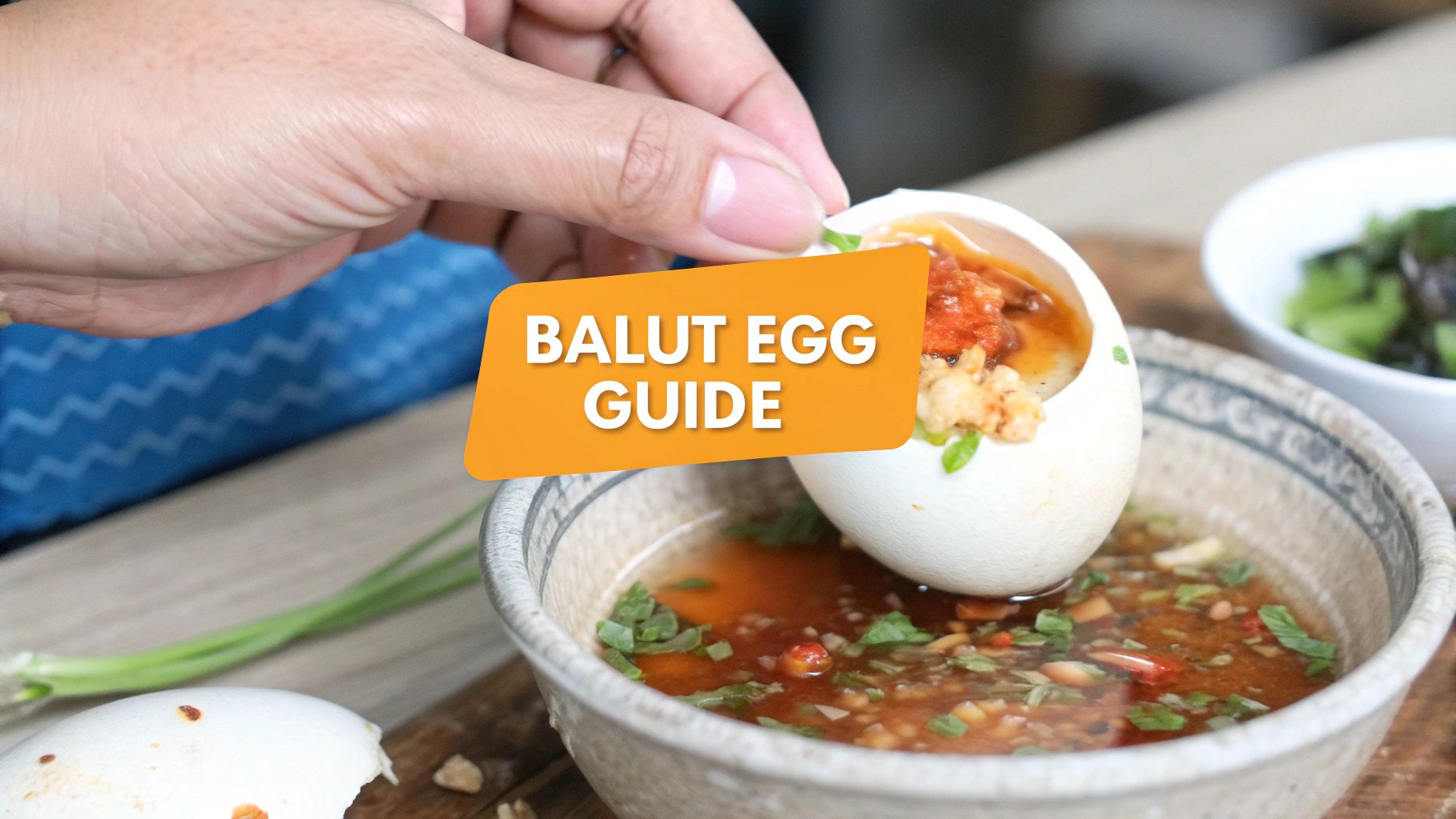
Before you learn how to eat balut, it helps to know what it is. A balut is a fertilized duck egg , incubated for around 17 to 21 days , then boiled and eaten...
Before you learn how to eat balut, it helps to know what it is. A balut is a fertilized duck egg, incubated for around 17 to 21 days, then boiled and eaten from the shell. That incubation period transforms a simple egg into something far more complex and savory—a true culinary adventure for many.
A Street Food Staple with Deep Roots
Balut is more than an exotic snack; it’s a cultural icon in the Philippines and a beloved staple in other parts of Southeast Asia, like Vietnam, where it’s called hột vịt lộn. For many, trying it is a rite of passage. For locals, it's a comforting, everyday food.
You'll usually find balut sold by street vendors, who keep the eggs steaming hot. It’s traditionally an evening or late-night snack, perfect for sharing with friends over a cold beer. It’s also surprisingly nourishing. A single balut packs roughly 188 kilocalories and 14 grams of protein, making it a hearty, satisfying bite.
Beyond the Dare Factor
Let's be honest: for many first-timers, eating balut is framed as a dare. But if you can approach it with genuine curiosity, you’ll discover a dish with incredible layers of flavor and texture. There's a warm, savory broth, a rich and creamy yolk, and the unique components of the developing embryo itself. It’s an experience that truly engages all the senses.
The key is to see it not as a novelty but as a cherished part of a food culture. This perspective shift is crucial for appreciating the distinct tastes and textures, turning a moment of hesitation into a memorable food story.
Documenting your first encounter in a private food diary like the Savor app is a great way to capture your honest, unfiltered impressions. You can log the different components, rate the flavors, and remember the setting, creating a personal record of your journey. It’s a fantastic way to track your palate as you explore more unique foods from around the world. Every food has a story, and balut’s is one of tradition, community, and bold flavor.
Cracking Open Your First Balut
Alright, this is where the fun begins. Learning how to eat balut starts with the first tap, and it's simpler than it looks. The goal is to get into the egg without losing any of that incredible broth inside.
First, get a firm grip on the egg and find the wider, more rounded end. That's your target. This side usually has a small air pocket, making it the perfect spot to start. Give it a confident but gentle tap on a hard surface—a tabletop or the side of a bowl works perfectly. You’re aiming for a few cracks, not a full-on shatter.
Once cracked, carefully peel away a small, coin-sized opening. The single most important rule is to keep the egg upright. That warm, savory broth is what many consider the best part, and you don't want to lose a single drop.
Preparing Your First Taste
With the top peeled back, it's time to decide on seasonings. While balut is delicious on its own, a touch of salt or vinegar can cut through the richness and make the flavors pop. This is where you can start tailoring the experience to your own taste.
Have these classic condiments ready:
- Plain Salt: The purest way to enjoy it. Just a small pinch sprinkled into the opening seasons the broth and complements the rich yolk.
- Spiced Vinegar: In the Philippines, this is a go-to. A small bowl of vinegar, often packed with minced garlic and fiery chilies, adds a bright, acidic kick.
- Salt and Pepper Mix: Some folks prefer a simple blend of salt and freshly ground pepper, maybe with a squeeze of calamansi or lime.
On your first try, less is more. Start with just a pinch of salt to get a feel for the natural flavor. You can always add more later.
The process of making balut is just as fascinating as eating it. Here’s a quick look at how a fertilized egg becomes this beloved delicacy.

This visual shows the journey from a simple fertilized egg, through a controlled incubation period, and finally to a boiled, ready-to-eat balut. That incubation is what defines the final texture.
In the Philippines and across Southeast Asia, eggs are typically incubated for 14 to 21 days before being boiled. Most vendors and aficionados will tell you 17 days is the sweet spot for the perfect balance of yolk, embryo, and broth. You can learn more about this traditional craft by exploring these insights into balut production in Asian street food culture.
How to Eat Each Part of the Balut
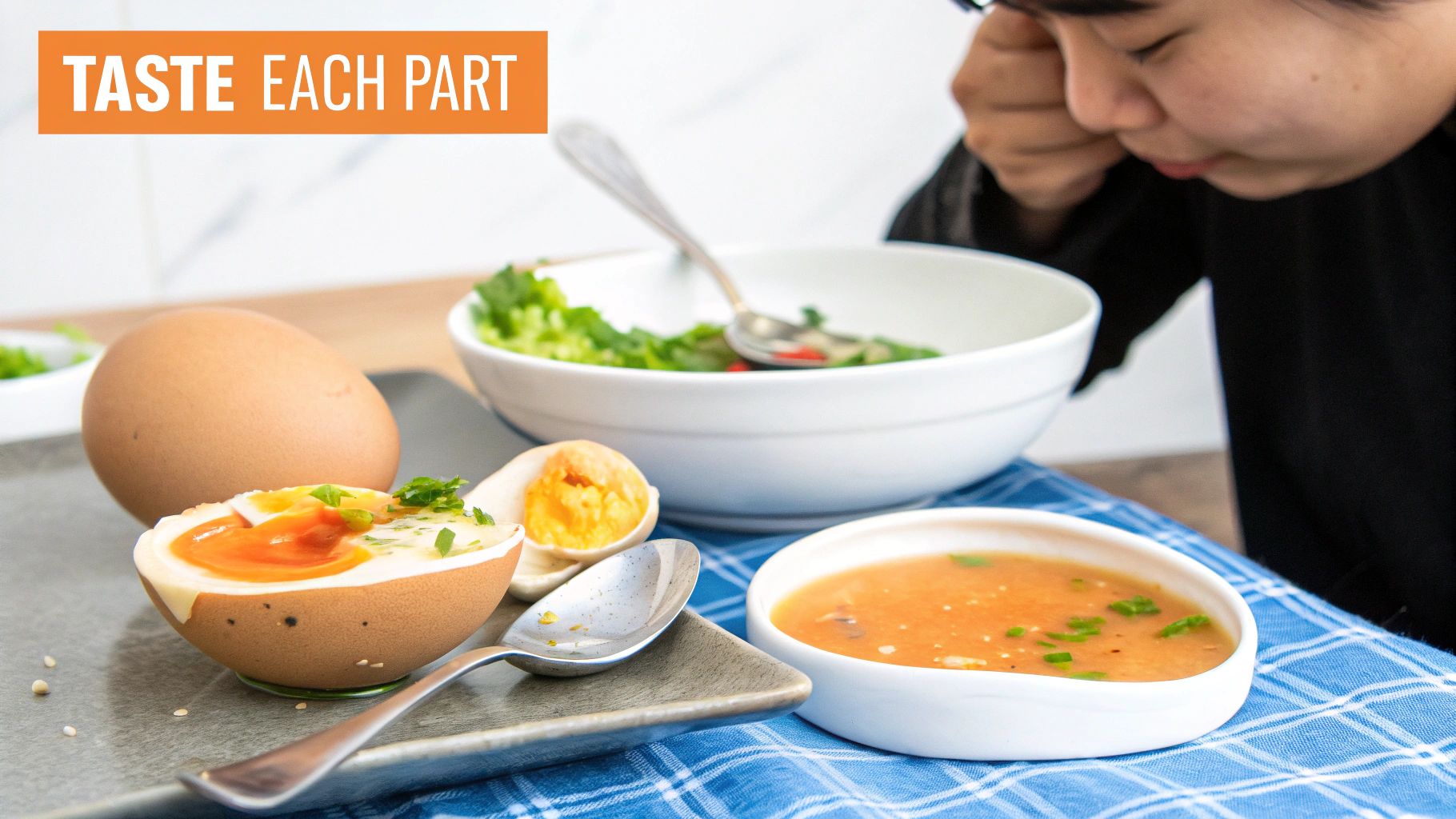
Eating balut is like a four-course meal packed into one shell. Each layer offers a completely different taste and texture, and the best way to approach it is with curiosity. Once you've made that first crack, you’re ready to begin.
Start by Sipping the Sabaw (Broth)
Before you peel anything else, bring the egg to your lips and take a sip. This is the sabaw, or broth, and for many, it's the absolute best part. Think of it as a rich, savory duck soup that’s been naturally seasoned as the egg boils.
Sip it slowly. Let the warm, umami-rich flavor hit your palate. It's a comforting first taste that prepares you for the denser, richer components to come. Skipping this step is like going to a concert and missing the opening act—you don't get the full experience.
Next, Savor the Creamy Yolk
With the broth gone, it's time to peel away more of the shell to reveal the yolk. It’s much larger and richer than a typical chicken egg yolk. The texture is incredible—somewhere between a dense, creamy custard and a firm, savory pâté.
Go ahead and scoop out a small piece or just take a bite. The flavor is intensely eggy and satisfyingly rich. This is the perfect moment to add a pinch of salt or a splash of spiced vinegar; the acidity cuts through the richness beautifully.
Navigate the Albumen, or "Bato"
Now you’ve reached the egg white, known in the Philippines as the bato, which translates to "stone." That name gives you a pretty good clue about what to expect. Unlike the soft white of a hard-boiled chicken egg, the albumen in balut is solid, firm, and can be quite rubbery.
The flavor itself is very mild, so it’s really the texture that can be a challenge for some. It’s completely edible, but it's very common for even seasoned balut lovers to skip this part. It all comes down to personal preference.
Remember, there's no right or wrong way to feel about each part. The goal is to explore the tastes and decide what you enjoy. Documenting these specific reactions in a food diary helps you remember your true palate.
Finally, Experience the Embryo
You’ve arrived at the main event: the embryo. Depending on how long the egg has been incubated (usually 16 to 18 days), the features will be more or less developed. At this stage, the bones are still incredibly soft and completely edible.
The texture surprises most people—it's delicate and tender, almost like a soft-cooked piece of chicken or a savory bit of offal. The flavor is mild, having absorbed all the savory notes from the broth and yolk. For the perfect bite, try combining a little piece of the embryo with some yolk.
To keep your thoughts organized on your first try, it helps to break down your tasting notes for each component.
A Guide to the Components of Balut
Think of this table as your roadmap. Each part of the balut brings something unique to the experience, and knowing what to expect can help you appreciate the complexity of this iconic food.
| Component | Description & Flavor Profile | How to Eat It |
|---|---|---|
| Broth (Sabaw) | Warm, savory, and umami-rich liquid. Tastes like a clear, intense duck soup. | Sip it directly from the shell before eating anything else. |
| Yolk | Rich, dense, and creamy with a deep, savory egg flavor. Similar to a firm custard. | Scoop it out with a small spoon. Add salt or vinegar to balance the richness. |
| White (Bato) | Firm, solid, and slightly rubbery. The flavor is very mild and neutral. | Optional to eat. Some enjoy the chewy texture, while many prefer to discard it. |
| Embryo | Tender and delicate with a mild, savory flavor. Soft, edible bones add a slight texture. | Eat it with a piece of the yolk and a dash of your preferred condiment. |
Ultimately, eating a balut is a personal journey. By exploring each part with an open mind, you get a full appreciation for a complex and culturally significant food that is beloved by millions.
Cultural Etiquette and Best Pairings
To get the most out of your first balut, it helps to understand its place in the culture. This isn't a formal, sit-down meal. It’s a quintessential street food, a casual snack sold by vendors in the evening and meant to be eaten on the spot.
You’ll often see locals grabbing a few eggs with friends and finding a spot on a nearby bench to peel and eat. The whole vibe is relaxed, communal, and informal. While you can eat it alone, sharing the moment with others is a huge part of the tradition. Leaning into that simple etiquette makes the adventure feel much more authentic.
Classic and Regional Pairings
The simplest way to enjoy balut is with a pinch of salt, but that's just the starting point. The real magic is in the condiments, which are designed to balance the egg's rich, savory flavors.
Here’s a look at what you’ll typically find served with balut:
- Spiced Vinegar: This is the champion of balut pairings. A small bowl of vinegar, loaded with minced garlic, shallots, and fiery red chilies, is a non-negotiable for most. Its sharp acidity cuts right through the richness.
- Salt and Pepper with Lime: Another classic is a simple mix of salt and freshly ground pepper, served with a wedge of lime or the local calamansi. The citrusy kick brightens everything up.
- Vietnamese Coriander: In Vietnam, balut almost certainly comes with a side of rau răm, or Vietnamese coriander. This herb has a distinct spicy, peppery flavor that, according to traditional belief, helps balance the "cold" properties of the egg.
When it comes to drinks, think cold and refreshing. A light, crisp beer or a can of Coke is what you’ll see most locals drinking. They cleanse the palate and stand up well to the egg’s savory profile.
When you’re ready to document your experience, pay attention to the small details—the condiments, drink pairings, and social setting. These elements are key to understanding the full flavor profile of the experience.
Just as learning how to eat balut reveals a slice of Filipino street food culture, exploring other cuisines can deepen your appreciation for global traditions. Just as understanding Colombia's traditional food reveals its soul, appreciating the context of balut transforms it from a novelty into a meaningful cultural bite. This mindset turns a quick taste into a memorable food story, perfect for documenting in your Savor food diary.
Documenting Your Balut Experience
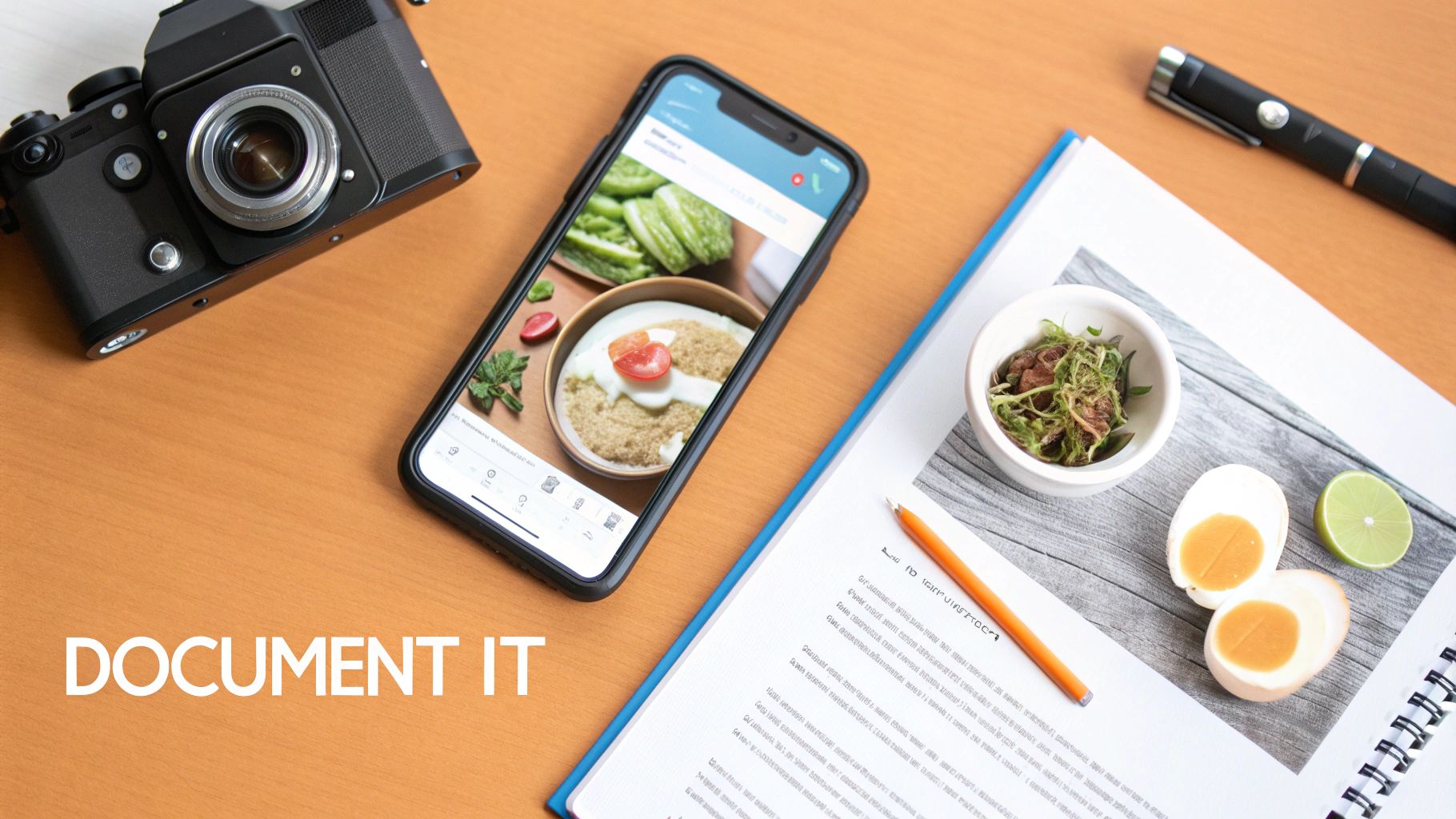
A food memory this unique deserves to be captured. Whether this is your first time trying balut or your hundredth, documenting the moment helps you track your tastes, notice new details, and share the story with curious friends. After all, it’s more than just a meal; it's an adventure for your palate.
Using a private food diary like the Savor app is perfect for this. Instead of a simple thumbs-up or down, you can create a detailed log of your tasting. Jot down notes on the different components: the rich, umami flavor of the broth, the creamy texture of the yolk, and your honest thoughts on the embryo.
Capturing the Details That Matter
To build a rich food memory, get specific. Don't just write "it was good"—break down why. Was the broth saltier or more savory than you expected? Did the yolk have a custardy consistency? Rating each part separately is how you build a more nuanced and useful memory for future comparisons.
Your notes could include:
- Flavor Profile: Describe the taste of the broth, yolk, and embryo individually.
- Texture Notes: Was the yolk creamy? Was the bato (the firm white) too tough for your liking?
- Condiments Used: Did you add salt, spiced vinegar, or both? Note how it changed the taste.
- The Setting: Where were you? Who were you with? The context is always part of the memory.
A great food memory is a snapshot of a moment. It’s not just about the dish but the entire experience—the sounds of the street market, the conversation with friends, and the feeling of trying something completely new.
Tips for Photographing Your Balut
A picture brings your memory to life. Instead of a quick snap of the whole egg, get creative. Try to capture the small opening in the shell, showing the glistening broth inside. Get a shot of the condiments you used, like a small bowl of spiced vinegar with chilies. This approach tells a much more compelling story and helps you create a visual log of your entire journey with adventurous foods.
For a bit more guidance on structuring your notes, check out our simple but effective food review template. It's designed to help you hit all the key points. By creating a private food memory, you build a personal database of flavors you can revisit anytime.
Got Questions? Let's Talk Balut.
Even after walking through the steps, you probably still have a few questions. When it comes to a food as unique as balut, that’s completely normal. A little clarity can be the difference between hesitation and excitement, so let’s clear the air.
Is It Actually Safe to Eat?
Yes, absolutely—as long as it’s cooked properly. Balut is a fertilized duck egg that’s been thoroughly boiled, no different from a standard hard-boiled egg. The golden rule is to buy it from a reputable vendor who serves them hot. That heat is your guarantee it’s been cooked to a safe temperature. Like any other street food, freshness and proper cooking are everything.
While it's a beloved and perfectly safe snack for most, it is quite rich and high in cholesterol. Folks with conditions like high blood pressure or gout might want to enjoy it in moderation.
So, Where Can I Find It?
Your best bet is to head to communities with a strong Filipino or Southeast Asian presence. Start with local Asian markets, especially ones that cater to a Filipino or Vietnamese clientele. You’ll often find them cooked and ready to go at the deli counter. For the most authentic experience, keep an eye out for street vendors in the evenings.
How Can I Tell if a Balut Is Fresh?
Freshness is non-negotiable. The first and most important sign is temperature—a fresh balut should always be served warm or hot. If a vendor tries to sell you a cold one, walk away. Another quick check is the shell. Make sure it's intact, with no major cracks. Finally, trust your nose. When you crack it open, the broth should have a savory, pleasant smell. Any sour or off-putting aroma is a major red flag.
Is Balut Really That Good for You?
It’s surprisingly nutrient-dense. A single balut egg packs a serious punch, typically containing around 188 kilocalories, a solid 14 grams of protein, and about 100 milligrams of calcium. Compared to many other street foods, it's a protein-rich, single-serving powerhouse. If you want to get into the nitty-gritty, you can find more details about balut's nutritional profile).
A little pro-tip: The best time of day to enjoy balut is in the morning or afternoon. Because it’s so rich, eating it late at night can sometimes cause indigestion for some people.
What if I’m Still Freaking Out a Little?
That is perfectly okay. Seriously. The point isn't to force yourself to like something; it's to approach it with an open mind and see what happens. My advice? Start with the parts you’re most comfortable with. Sip the broth first, then try a little bit of the creamy yolk. Nobody says you have to eat the whole thing on your first go.
Remember, every food experience is just that—an experience. Be present, notice the flavors and textures, and document your honest reaction. An adventure like this is the perfect first entry for your new food diary.
Ready to turn this unique taste test into a lasting memory? With Savor, you can log every detail, from the broth's savory notes to the yolk's creamy texture. Track tastes, share discoveries.