
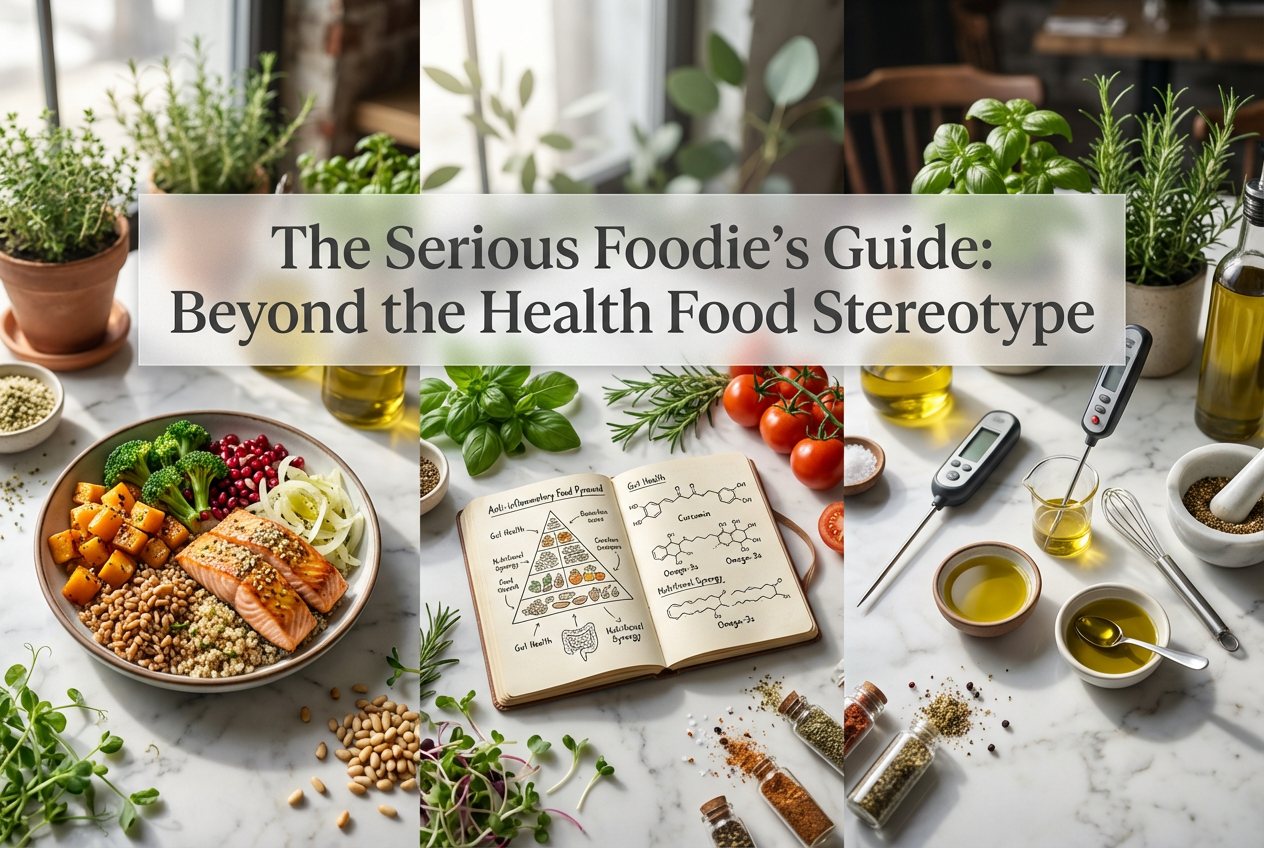
The Serious Foodie’s Guide to True Food Kitchen: What to Order (and What to Skip)
Alex the juice queen
Alex hunts for the best juice bars and presses. She rates every sip and saves her favorites in Savor.
The Serious Foodie’s Guide to True Food Kitchen: What to Order (and What to Skip) Table of Contents The Corporate Skeptic’s Case for True Food Kitchen The...
The Serious Foodie’s Guide to True Food Kitchen: What to Order (and What to Skip)
Table of Contents
- The Corporate Skeptic’s Case for True Food Kitchen
- The Technical Specs: Why the Science Matters
- The Seasonal Cycle: Timing Your Visit
- The Serious Foodie Order Matrix
- The Visual Strategy: Making It Camera-Roll Worthy
- The Anti-Inflammatory Cheat Sheet
- Frequently Asked Questions
You’ve probably scrolled past True Food Kitchen (TFK) a dozen times, dismissing it as another health-food chain where flavor goes to die. I get it. The polished brand identity screams "corporate wellness," and the beautiful people photographing their grain bowls can feel performative. But here’s the thing: while you’re busy being cynical, you’re missing one of the most technically sound menus in the country.
True Food Kitchen isn’t just another salad bar masquerading as a restaurant. It’s a culinary laboratory designed by Dr. Andrew Weil, where the anti-inflammatory pyramid meets actual flavor development. The switch to avocado and olive oil in 2022 changed everything about how proteins sear. The Bianco DiNapoli tomatoes they source are the same gold-standard ingredient you’ll find in the best Neapolitan pizzerias. This is the kind of technical precision most boutique spots can’t afford to maintain.
The question isn’t whether TFK is "worth it." The question is whether you know how to use it strategically - how to navigate the seasonal rotations, which dishes showcase genuine culinary technique, and how to build a meal that belongs in your personal food archive, not just your Instagram grid.
The Corporate Skeptic’s Case for True Food Kitchen
BLUF: True Food Kitchen transcends its chain status through ingredient transparency and technical standards that exceed most independent restaurants, making it a reliable high-performance dining option.
Let’s address the elephant in the dining room. Yes, True Food Kitchen is a chain. Yes, the interiors look suspiciously similar from Phoenix to Boston. And yes, the crowd skews heavily toward the "I just finished hot yoga" demographic. But if you’re dismissing TFK purely on these grounds, you’re making the same mistake as someone who won’t try Costco’s Kirkland Signature wines because they come from a warehouse.
The "corporate" label becomes meaningless when you look at the actual supply chain. While most restaurants (including your favorite "farm-to-table" spot) are quietly cooking with canola and soybean oil, TFK made a complete switch to avocado and olive oil across all 40+ locations. Do you understand the logistical complexity and cost of that decision? This isn’t greenwashing. It’s a fundamental commitment to ingredient quality that most independents can’t or won’t make.
Here’s what sets the serious foodie apart from the casual diner: the ability to recognize technical excellence regardless of its packaging. When you order the sustainable salmon at TFK, you’re getting a piece of fish that’s been handled correctly from boat to plate, cooked skin-on in avocado oil at a temperature that achieves proper Maillard reaction without oxidizing the fat. That’s not health food. That’s just good cooking.
The "digital archive problem" is real. How do you categorize this meal in your personal food database? Is it a "clean bulk dinner"? An "aesthetic brunch"? The ambiguity exists because TFK occupies a rare middle ground: technically sophisticated enough to earn your respect, consistent enough to become a reliable tool in your culinary toolkit.
Think of True Food Kitchen as your high-performance baseline. It’s the restaurant equivalent of a well-calibrated thermometer. You might not use it for every meal, but knowing exactly what an 8/10 grain bowl tastes like gives you a reliable reference point when you’re rating dishes elsewhere.
The Technical Specs: Why the Science Matters
BLUF: The 2022 oil audit transformed True Food Kitchen’s technical capabilities, enabling proper protein sears and flavor development impossible with seed oils while maintaining Dr. Weil’s anti-inflammatory framework.
The Oil Audit: What Changed and Why It Matters
Most restaurant conversations about cooking oils sound like tedious nutrition lectures. This isn’t that. This is about why your salmon tastes better.
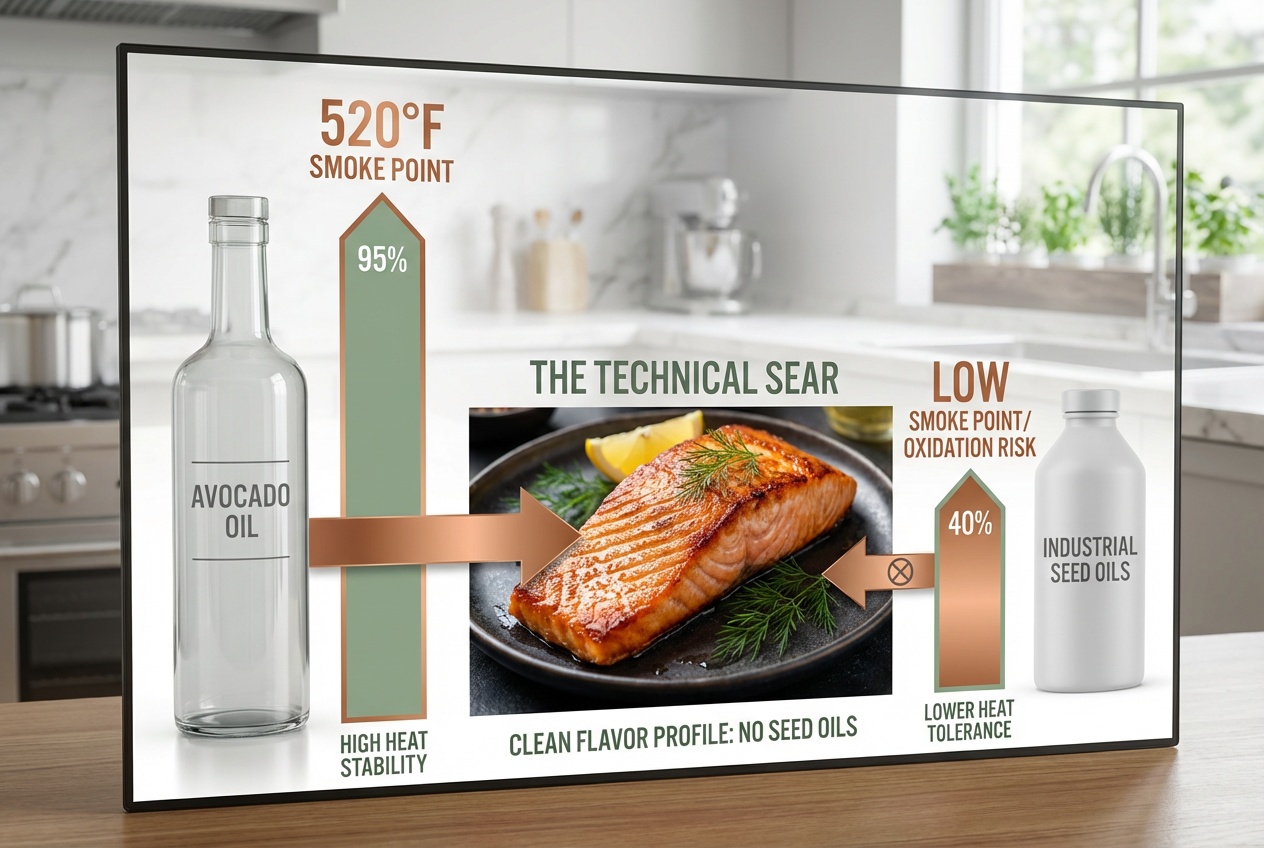
Seed oils (canola, soybean, corn) oxidize at high heat. When you sear a protein in oxidized fat, you’re essentially coating it in rancidity. The fish might look beautiful with those grill marks, but the flavor has a metallic, slightly bitter edge that your palate registers as "off" even if you can’t articulate why.
Avocado oil has a smoke point of 520°F. Olive oil (the high-quality stuff TFK uses) clocks in around 405°F. These numbers aren’t arbitrary - they represent the temperature threshold where fats break down and flavor compounds turn acrid. When a kitchen uses proper oils, proteins can achieve that golden-brown crust (the Maillard reaction) without picking up harsh, oxidized notes.
Here’s the detail that matters: TFK’s kitchen protocols now allow for aggressive searing without flavor compromise. The edamame dumplings you’re about to read about? The dashi-truffle oil combination works because the base cooking fat isn’t competing with those delicate flavors. The sustainable salmon achieves a crispy skin that shatters like glass because the oil can handle the heat required for proper texture development.
For the record, those Bianco DiNapoli tomatoes I mentioned earlier? They’re grown in California’s Central Valley, hand-selected for sweetness and acidity, and packed within hours of harvest. They’re the secret weapon in every serious pizza maker’s arsenal. Finding them on a chain restaurant menu is like discovering a vintage Bordeaux at a gas station. It shouldn’t exist, but it does, and you’d be foolish not to take advantage.
The Functional Food Framework
Dr. Andrew Weil’s anti-inflammatory pyramid isn’t pseudoscience dressed up as wellness. It’s a systematic approach to reducing chronic inflammation through diet, based on actual research about omega-3 fatty acids, antioxidants, and phytonutrients. But none of that matters if the food tastes like cardboard.
The technical achievement at TFK is making functional ingredients taste good. Wild Alaskan salmon isn’t just high in omega-3s; when properly sourced and cooked, it’s genuinely delicious. Turmeric isn’t just anti-inflammatory; when combined with black pepper (which increases bioavailability of curcumin by 2,000%), it adds a subtle earthy complexity to dishes. Leafy greens aren’t just nutrient-dense; when dressed properly with acid and fat, they’re a textural counterpoint that makes a dish feel complete.
This is where most health-focused restaurants fail. They treat nutrition as a constraint rather than a design parameter. TFK treats it as both. The menu isn’t asking you to compromise. It’s challenging you to expand your definition of what "peak performance" food can taste like.
The Seasonal Cycle: Timing Your Visit
BLUF: True Food Kitchen rotates its menu 4-5 times annually, with peak ingredient windows in early spring (March-April) and early fall (September-October) when seasonal produce defines the limited-time offerings.
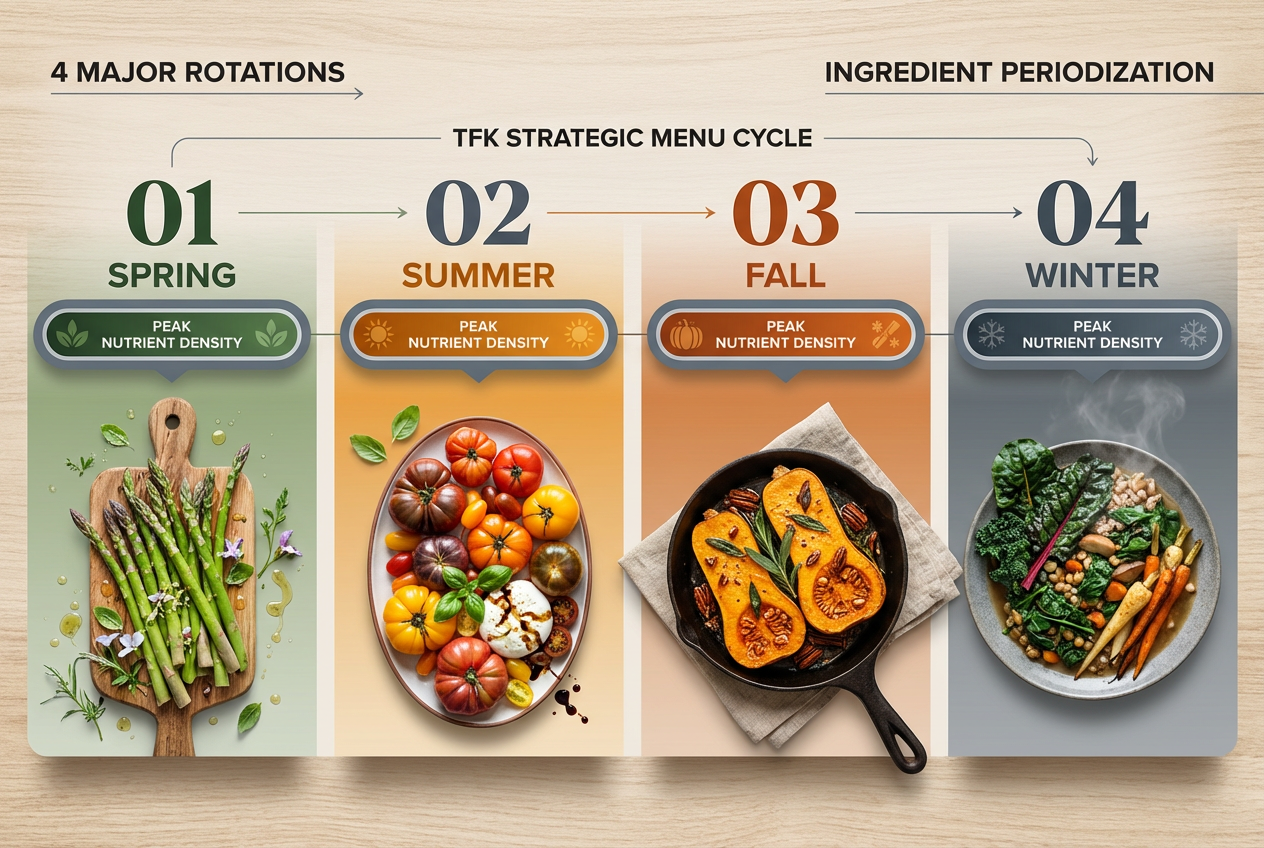
Understanding TFK’s seasonal calendar is the difference between catching a truly exceptional dish and showing up three weeks too late. The menu operates on a core-plus-seasonal model: about 60% of the offerings are permanent fixtures, while 40% rotate based on ingredient availability and Dr. Weil’s seasonal wellness philosophy.
The Four Seasons of True Food Kitchen
Spring (March-May): This is detox season in the Weil philosophy, focused on bitter greens, fresh herbs, and light proteins. The spring menu leans heavily into snap peas, asparagus, and the first stone fruits. If you see English peas on a special, order it immediately. The window for truly sweet, tender peas is maybe three weeks, and TFK’s supply chain can actually capture them at peak.
Summer (June-August): Peak tomato season means the heirloom tomato salad becomes non-negotiable. The summer menu also brings in peak-season berries, which show up in both savory applications (strawberry in salads) and the seasonal dessert rotations. The sustainable fish options often shift to lighter preparations - ceviche-style dishes and raw applications that make sense in heat.
Fall (September-November): This is the menu’s most ambitious window. Fall means squash season, which TFK takes seriously. The spaghetti squash casserole (a permanent item) is good year-round, but the limited seasonal squash preparations in fall are where the kitchen shows real creativity. Roasted beets, Brussels sprouts, and heartier grains come into rotation. The fall beverage menu brings in spiced drinks with turmeric, cinnamon, and ginger.
Winter (December-February): Comfort food reinterpreted. The winter menu leans into braised dishes, root vegetables, and richer preparations while maintaining the anti-inflammatory framework. Citrus season means Meyer lemons, blood oranges, and grapefruit show up across the menu. The winter soups are genuinely excellent - the butternut squash soup has a depth that comes from proper roasting technique, not just blending vegetables with cream.
The OG Items That Never Leave
Some dishes are permanent fixtures for a reason. The ancient grains bowl is the menu’s workhorse - it’s the reliable baseline you can order anywhere, any season, and use as a reference point for rating your meals. The herb hummus hasn’t changed in a decade because it doesn’t need to. These are your anchor points, the dishes that let you calibrate your palate and track how your preferences evolve over time.
Smart diners use dish tracking apps to monitor these seasonal windows. When that limited-time butternut squash pizza shows up in October, you’ll want to remember how it compared to last year’s version. Was the ratio of sage to squash better? Did they change the cheese blend? These details matter when you’re building a serious food archive.
The Serious Foodie Order Matrix
BLUF: Skip the generic favorites; the technically superior choices showcase complex flavor building through umami layering, proper fat application, and seasonal ingredient timing.
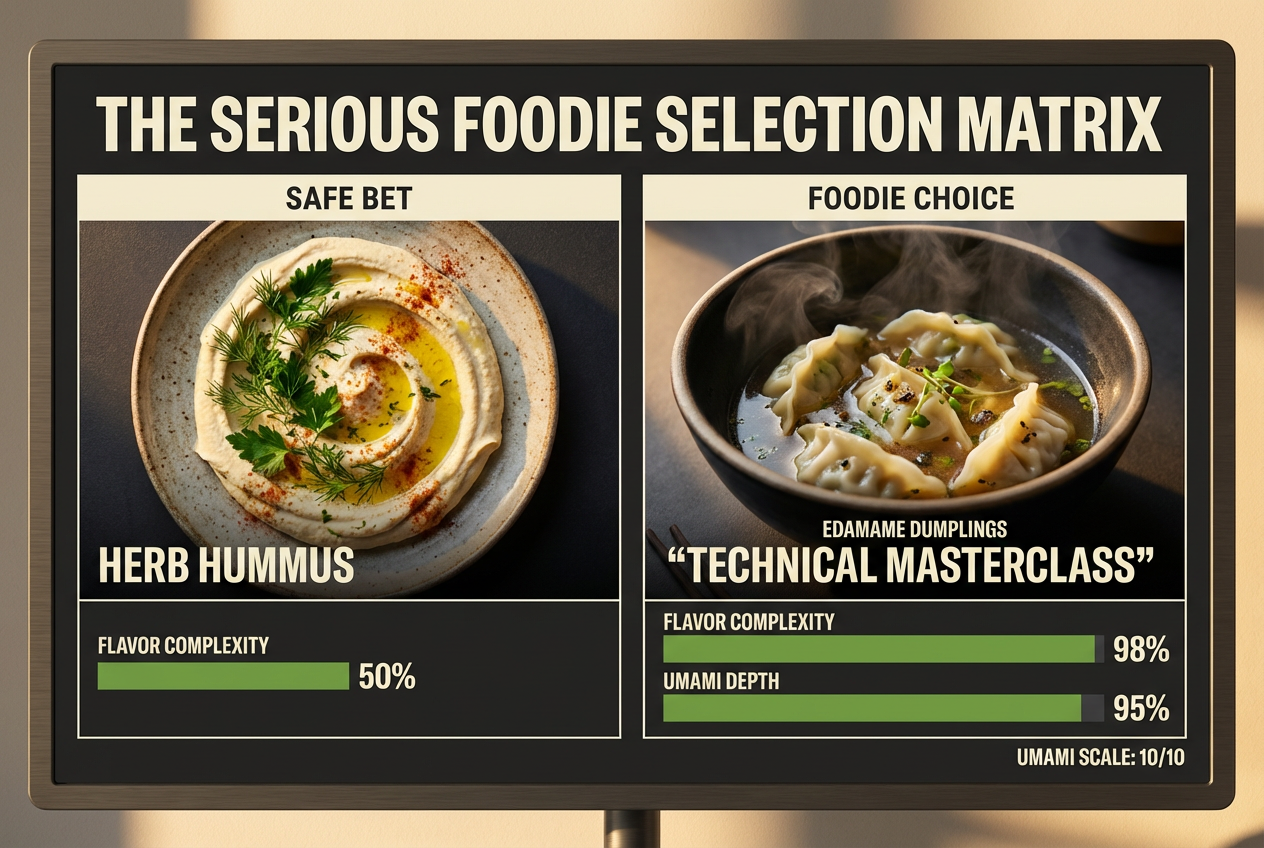
| Dish Category | The "Safe" Bet | The "Foodie" Choice | Why? |
|---|---|---|---|
| Starters | Herb Hummus | Edamame Dumplings | The dashi-truffle oil combination is a masterclass in umami layering. The wrapper achieves proper translucency, and the filling has actual textural contrast - not just mush. |
| Bowls | Ancient Grains Bowl | Spaghetti Squash Casserole | Superior textural complexity. The squash provides a pasta-like mouthfeel without the starch crash, and the casserole format allows for proper browning on the edges. |
| Proteins | Grass-Fed Burger | Sustainable Salmon | The skin-on preparation shows real technique. Proper avocado oil searing creates a glass-crisp exterior while keeping the interior at perfect medium-rare. This is cooking, not just assembly. |
| Salads | Tuscan Kale | Seasonal Market Plate | Whatever’s in season is always the move. The market plate showcases peak ingredients with minimal interference - the sign of a confident kitchen. |
| Sides | Sweet Potato Hash | Roasted Brussels Sprouts | When done right, Brussels sprouts develop a nutty, almost sweet caramelization. TFK doesn’t overcook them into submission. They still have tooth. |
| Cocktails | House Margarita | Juniper Rose | More complex botanical profile. The rose water is subtle enough to intrigue without overwhelming. Pairs particularly well with the edamame dumplings. |
| Non-Alcoholic | Cucumber Refresher | Adaptogenic Elixirs | The rotating elixir menu uses functional mushrooms and adaptogens with actual flavor consideration. Not just wellness theater. |
| Desserts | Flourless Chocolate Cake | Seasonal Fruit Crisp | The seasonal crisp changes based on what’s actually ripe. A perfect peach crisp in August will haunt you in the best way. |
The Technical Choices Explained
The edamame dumplings deserve special attention. Most restaurant dumplings are vehicles for meat or shrimp, with wrappers that serve as edible packaging. TFK’s version treats the dumpling as a complete flavor system. The dashi brings that deep, oceanic umami. The truffle oil (yes, it’s trendy, but it works here) adds an earthy complexity that bridges the dashi and the edamame’s natural sweetness. The wrapper is thin enough to let you taste through it, but strong enough to hold up to the steaming process.
When you’re photographing this dish, catch the moment the dumpling skin catches the light. That translucency tells you everything about proper technique.
The spaghetti squash casserole is a study in texture management. Squash is watery and can turn to mush if handled poorly. TFK’s version clearly involves a proper draining step - possibly salting and letting the squash sit to release moisture before assembly. The result is a dish with structural integrity. The top browns properly because there isn’t excess water steaming the surface. The edges get crispy. This matters.
The salmon is where you really see the oil switch payoff. Skin-on salmon requires aggressive heat to achieve proper crisping without overcooking the flesh. Seed oils would oxidize at this temperature, creating off-flavors that compete with the fish. Avocado oil stays clean, letting the salmon’s natural flavor shine through while contributing its own subtle, buttery notes. The salmon is served medium-rare unless you specify otherwise - respect this. An overcooked piece of salmon is a crime regardless of how "healthy" it is.
What to Skip
The grass-fed burger is fine, but it’s the least interesting thing on the menu. Burgers are everywhere. You can get a good burger at dozens of places. The salmon? The dumplings? These showcase technique you won’t find at your local gastropub.
Skip the house margarita in favor of the Juniper Rose. The margarita is competently made but unremarkable. The rose cocktail shows actual thought about flavor pairing and progression. It’s the difference between ordering what you know and ordering what the kitchen does best.
The ancient grains bowl is the menu’s safety net, but it’s also its most boring option. If you’re at TFK, you’re presumably there for a reason beyond playing it safe. Order the market plate. Order the seasonal special. Order something that captures a specific moment in time.
The Visual Strategy: Making It Camera-Roll Worthy
BLUF: True Food Kitchen’s natural light architecture and color-forward plating peak between 11 AM-1 PM; the Rainbow Root Salad and seasonal market plates offer maximum visual contrast for food photography.
Building a serious food journal means every photo needs to serve double duty: it should be beautiful enough to share and detailed enough to trigger memory six months later. TFK’s design makes this easier than most restaurants, but you still need strategy.
Lighting and Timing
Most TFK locations feature floor-to-ceiling windows and a predominantly white interior. This is intentional - the design brief clearly prioritized natural light for that "California wellness" aesthetic. For photographers, this means two things:
Best shooting window: 11 AM to 1 PM, when the sun is high enough to provide even illumination without harsh shadows. Avoid the golden hour instinct - late afternoon light in a TFK dining room creates too much contrast between the sunlit and shadowed areas of your table.
Worst shooting window: 6 PM to close, when the restaurant switches to artificial lighting. The overhead fixtures are warm-toned LEDs that create a yellow cast on food. Your salmon will photograph more orange than pink. Your greens will look muddy instead of vibrant.
If you’re stuck with evening light, sit as close to a window as possible and use your phone’s white balance adjustment. Most modern smartphones let you tap on the brightest white element in the frame (the plate edge, usually) to set a custom white balance.
The Hero Dishes for Maximum Visual Impact
Rainbow Root Salad: This dish was designed for Instagram, but it’s genuinely beautiful. The beets provide deep magenta, the carrots offer orange, the greens give you that fresh chlorophyll pop. The plating is usually radial - vegetables arranged in a color wheel pattern. Shoot from directly overhead for maximum geometric impact.
Edamame Dumplings: The translucent wrapper catches light beautifully. Shoot at a 45-degree angle to catch the shine on the dumpling skin while keeping the dipping sauce in frame. The garnish (usually micro greens and sesame) provides color contrast against the neutral dumpling wrapper.
Seasonal Market Plate: This changes constantly, but it’s always the most photogenic option. The kitchen knows this is a showcase plate, so they put extra effort into the plating. Expect height, color variation, and thoughtful garnishing.
Sustainable Salmon: The crispy skin provides textural interest, and the typical accompaniments (usually greens and a starch) offer color contrast. Ask for the sauce on the side if you want clean lines in your photo. You can always add it back after shooting.
The Photo That Tells the Story
Generic food photos show what you ate. Great food photos capture why it mattered. When you’re building your personal food database, you want the image to work with your tasting notes, not replace them.
Take the context shot: the whole table, with your drink, the lighting, maybe a companion’s hands reaching for bread. This sets the scene. Then move to the hero shot: the main dish, properly styled, with enough detail that you can remember the texture six months later. Finally, get the detail: a fork cutting through that salmon skin, the cross-section of a dumpling, the way the dressing pools in the bottom of the salad bowl.
These three shots - context, hero, detail - give you everything you need to reconstruct the memory later. Combined with a 10-point score and written notes, you’ve created a complete archive entry.
The Anti-Inflammatory Cheat Sheet
BLUF: Three technical facts transform your TFK meal into a conversation piece: the tomato sourcing, the omega-3 to omega-6 ratio in the cooking oils, and the strategic use of turmeric-black pepper combinations.
You don’t need to become a nutrition evangelist to appreciate the technical aspects of Dr. Weil’s framework. But having a few specific talking points lets you appreciate the kitchen’s work and, frankly, sound more informed when dining with companions.
The Three Facts You Can Drop at the Table
1. The Bianco DiNapoli Tomato Standard "These tomatoes are the same ones Chris Bianco uses at Pizzeria Bianco in Phoenix. They’re grown specifically for flavor - high sugar content, low acidity, picked at peak ripeness. Most restaurants use whatever’s cheap. This is a different category of ingredient."
Why this matters: It shows you understand that "organic" and "local" are marketing terms, while specific sourcing from known producers represents actual quality control. Bianco DiNapoli isn’t a mass-market brand. Finding it on a chain menu is genuinely notable.
2. The Omega-6 to Omega-3 Ratio "The switch to avocado oil isn’t just about smoke point. Standard restaurant seed oils are loaded with omega-6 fatty acids, which promote inflammation. Avocado oil has a balanced ratio that doesn’t trigger the same inflammatory response. Combined with the omega-3s in the salmon, you’re actually eating anti-inflammatory food, not just ’healthy’ food."
Why this matters: Most "healthy eating" talk is vague. This is specific, biochemically accurate, and explains why the oil switch was expensive and difficult but ultimately worth it.
3. The Turmeric-Black Pepper Bioavailability Hack "Notice how dishes with turmeric always have black pepper? That’s not a flavor choice. The piperine in black pepper increases the bioavailability of curcumin - the active compound in turmeric - by up to 2,000%. Without the pepper, most of the turmeric just passes through unabsorbed. This kitchen understands the science."
Why this matters: It reveals that the menu isn’t just throwing "superfoods" at the wall. There’s systematic thinking about how ingredients interact at a molecular level.
The Practical Application
You don’t need to memorize inflammation pathways or antioxidant charts. The framework is simpler than it seems:
- Colorful vegetables = high antioxidant content
- Fatty fish = omega-3 anti-inflammatory fats
- Whole grains = fiber for gut health (which influences inflammation)
- Herbs and spices = concentrated phytonutrients
- Minimal processed sugar = avoids inflammatory spikes
TFK’s menu is designed so that almost any combination you order hits these points. You can build a technically sound meal by just following your palate. The edamame dumplings (herbs, minimal processing) plus the salmon (omega-3s) plus a side of Brussels sprouts (fiber, antioxidants) is both delicious and functionally optimized.
The real insight here is recognizing that food can be both hedonically satisfying and physiologically optimized. These aren’t opposing goals. The best meals in your food memory vault probably combine both - they tasted incredible and left you feeling genuinely good hours later.
Beyond the Wellness Theater
Most restaurant "wellness" menus are performative. They slap "superfood" on a bowl of quinoa and charge you an extra three dollars. TFK’s approach is more systematic. The menu is built from the ground up around anti-inflammatory principles, which means the constraints are baked into the foundation rather than applied as an afterthought.
This is why the food tastes better than you expect. When you design for nutrition from the start, you solve for flavor within those constraints. When you slap "healthy options" onto a standard menu, you get sad desk salads and under-seasoned proteins.
The serious foodie recognizes this distinction. You’re not eating "health food." You’re eating food that happens to be technically optimized for performance. There’s a difference, and it shows up on the plate.
Frequently Asked Questions
Is True Food Kitchen actually healthy or just expensive health-washing?
TFK’s nutritional claims are backed by genuine sourcing and preparation changes, not marketing spin. The 2022 switch to avocado and olive oil alone eliminated most inflammatory seed oils that plague even upscale restaurants. They use Bianco DiNapoli tomatoes, source sustainable salmon from verified suppliers, and follow Dr. Andrew Weil’s anti-inflammatory food pyramid with measurable consistency across locations. This isn’t Panera slapping "clean" on a menu - it’s systematic functional nutrition that happens to taste good. The premium price reflects actual ingredient cost, not branding.
What should I absolutely order on my first visit to True Food Kitchen?
Start with the edamame dumplings (best technical execution on the menu), then move to the sustainable salmon or the seasonal market plate, depending on whether you want protein-forward or vegetable-forward. Skip the ancient grains bowl on your first visit - it’s the baseline, not the highlight. Add the Juniper Rose cocktail if you drink, or one of the adaptogenic elixirs if you don’t. Finish with the seasonal fruit crisp only if stone fruit or berries are in peak season. This combination shows you what the kitchen does best while giving you reference points for rating future meals.
How does True Food Kitchen compare to other healthy fast-casual chains like Flower Child or Sweetgreen?
TFK operates in a different technical category. Flower Child is faster and cheaper but uses some seed oils and has less sophisticated flavor development. Sweetgreen excels at salads but lacks the hot food technique TFK demonstrates with proteins and composed plates. TFK’s kitchen can actually sear a piece of fish properly, which requires equipment and training that most fast-casual chains don’t invest in. You’re paying more at TFK, but you’re getting restaurant-level execution, not just assembly-line bowl building. Think of it as the difference between a wine bar and a liquor store - different tools, different outcomes.
Does True Food Kitchen accommodate dietary restrictions beyond just being generally healthy?
Yes, extensively. The menu clearly marks gluten-free, vegan, and vegetarian options, and the kitchen genuinely understands cross-contamination protocols for celiac diners. The servers are trained to discuss modifications intelligently - they’ll know whether the dashi in the dumplings contains fish or if the truffle oil is infused or synthetic. However, for severe allergies, always speak directly with a manager. The seed oil elimination means you won’t encounter surprise canola oil in your "healthy" meal, which is surprisingly rare even at dedicated health-focused restaurants.
Is True Food Kitchen worth it for serious foodies or is it too mainstream?
The "mainstream versus serious" distinction is a false binary that limits your culinary education. Serious foodies recognize technical excellence regardless of branding. TFK’s oil sourcing, tomato quality, and fish handling exceed most independent restaurants. The seasonal menu changes demonstrate actual responsiveness to ingredient availability rather than just marketing cycles. Use TFK as a reliable baseline in your personal food database - a known quantity that lets you calibrate ratings elsewhere. The best wine collectors don’t just drink rare Burgundy; they understand Costco’s Kirkland Signature wines too. Range makes you sharper.
When is the best time to visit True Food Kitchen to experience the menu at its peak?
Visit during early spring (late March through April) or early fall (September to mid-October) when seasonal menu transitions showcase peak-season produce. Arrive between 11 AM and 1 PM for optimal natural lighting if you’re photographing for your food journal. Avoid Friday and Saturday dinner rush when kitchen execution can slip under volume pressure. The late Tuesday or Wednesday lunch window offers the best combination of fresh prep (after weekend rushes), attentive service, and ideal lighting. If you’re tracking seasonal items, check the menu online weekly during transition months - limited-time offerings appear and disappear based on actual harvest windows, not fixed calendar dates.
Can I recreate True Food Kitchen recipes at home or are they proprietary?
Many TFK recipes are published in Dr. Weil’s cookbook "True Food," but the restaurant versions often have professional techniques that don’t translate to home kitchens. The edamame dumpling wrapper requires a specific dough hydration and resting time that’s hard to nail without commercial equipment. However, the seasonal vegetable preparations, grain bowls, and salad compositions are very home-cook friendly. The real value in visiting TFK is understanding proper seasoning balance, fat application, and flavor layering - techniques you can observe and then apply to your own cooking. Think of it as a continuing education class where you pay tuition in meal form.
How can I track my True Food Kitchen meals to remember what I loved?
Use a dedicated dish rating app rather than generic restaurant reviews. TFK’s menu changes seasonally, so you need to track specific dishes, preparation details, and the date you tried them. Rate on a consistent scale (a 10-point system works well), note which seasonal window you’re in, and photograph the dish with proper lighting. Include tasting notes about texture, seasoning balance, and how the dish made you feel two hours later (the functional nutrition aspect). When that butternut squash pizza reappears next fall, you’ll want to compare it to last year’s version. Memory fades; data doesn’t.